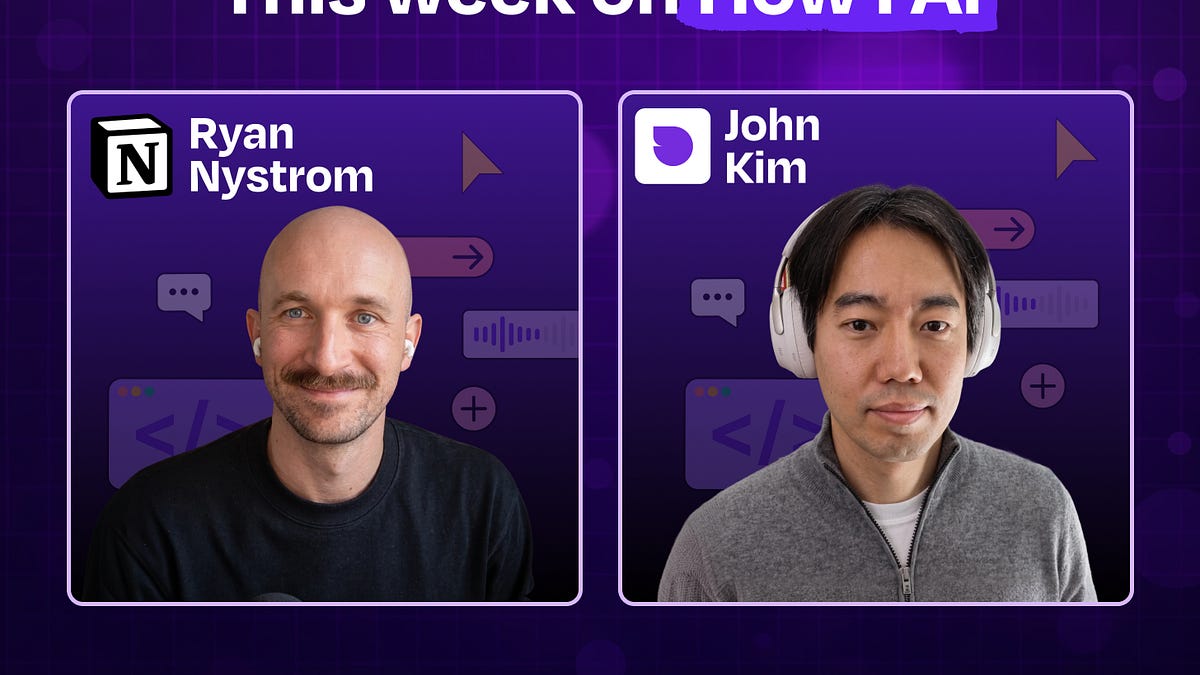
When he joined Figma, he found almost no one outside engineering using AI to get real work done, so he and a couple of fellow PMs turned his personal Claude Code setup into PM OS, a shared repo of 31 skills that every PM at Figma now uses.
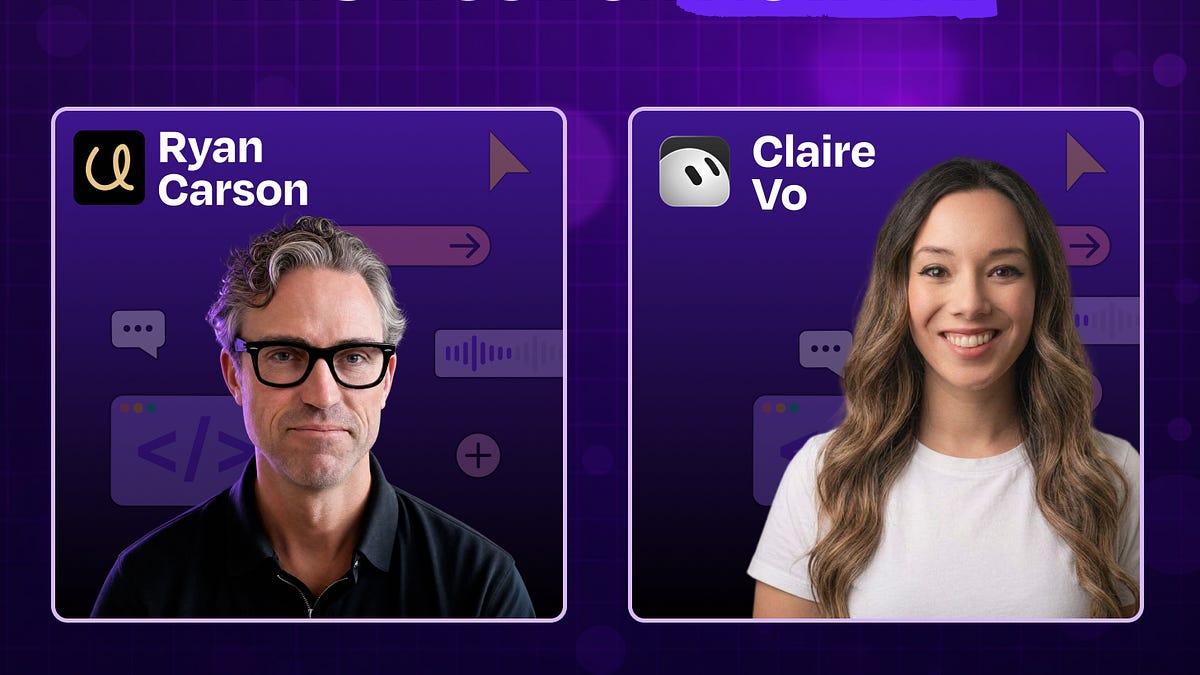
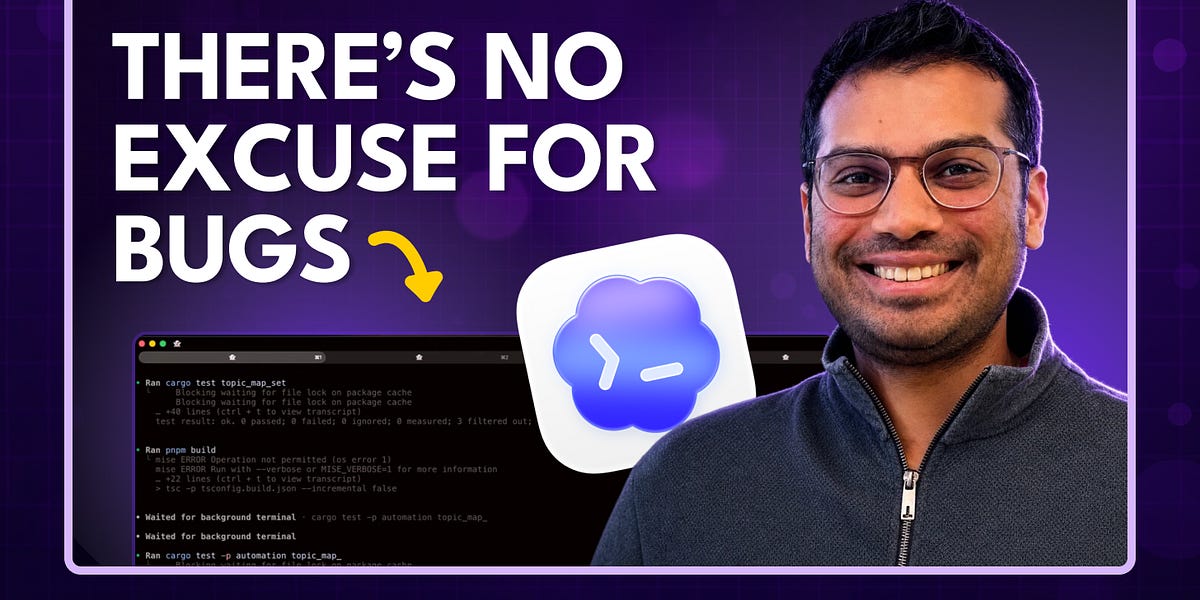
Latency is a product problem, not merely a model problem. Opus 5.5 produced solid work, but parallel tasks routinely took more than 10 minutes with little visible feedback. Claire's experience suggests that a faster agent with slightly weaker output may feel more useful than a smarter one that disappears while working.
His job is to find, experiment with, and scale new AI products, and he has built one of the most distinctive product cultures in the industry for generating ideas, running experiments, and, even more importantly, knowing when to quit.
It's never been easier to build something nobody wants. As building gets easier, choosing the right thing to build, knowing what good looks like, and caring enough to fix it are becoming increasingly important for successful product teams.
Producing more with AI does not automatically lead to a better product. Both Ryan and Claire are skeptical of letting agents work without constraints overnight. Frontier models can generate an enormous amount of output, but they do not know what customers actually need. Product ideas, priorities, and market judgment still have to come from a human who talks to users.
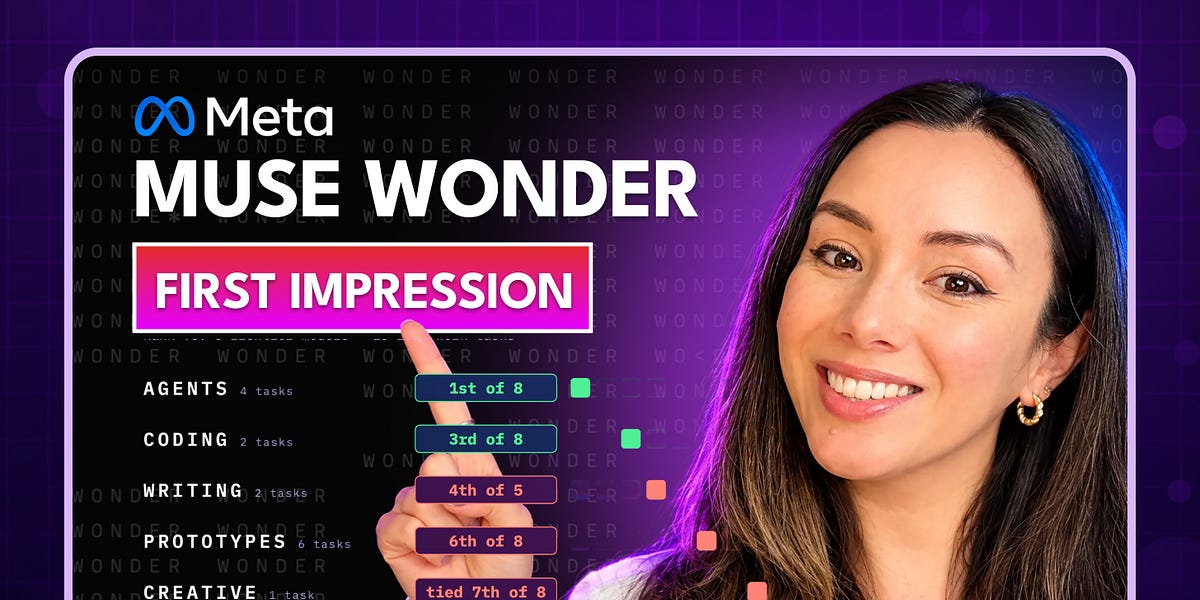
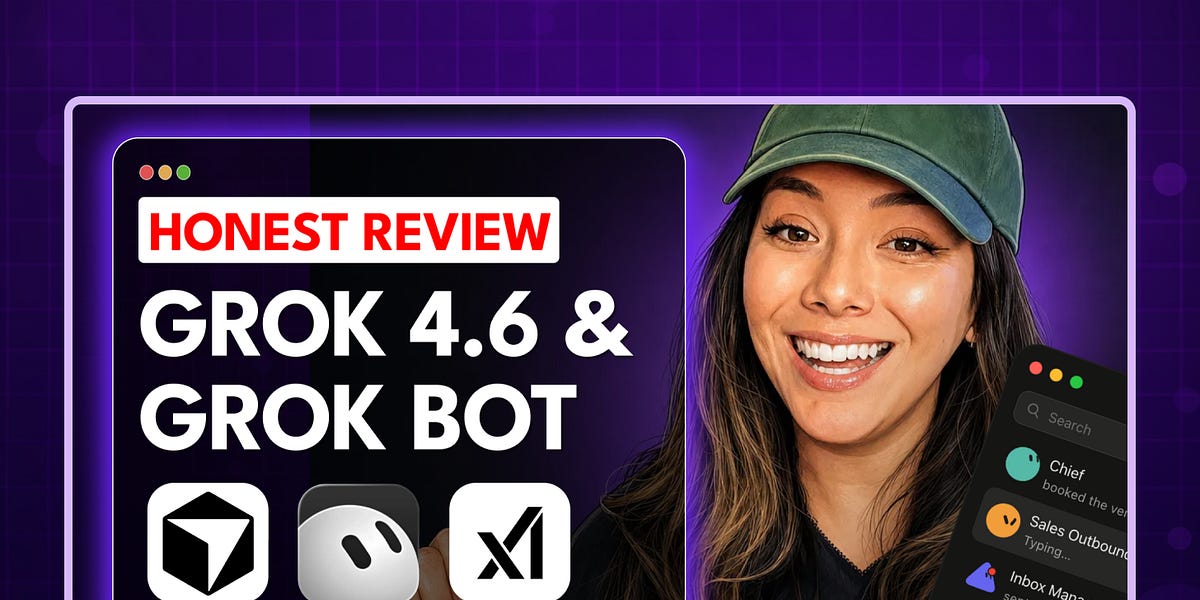
I set up five Grok Bots, ran Grok 4.6 through my Claire Weighted Index against GPT-5.6 Sol, Claude Sonnet 5, and Opus 5, and spent time actually using Origin as a GitHub replacement. Here's what's worth your attention, what's overhyped, and where I'm personally putting my time.
I joined in 2023 as Anthropic's first technical product manager, when the entire product team was five engineers, and has since helped ship every model from Claude 2 through Fable, and helped incubate Claude Code, MCP, Skills, computer use, tool use, and reasoning.
Not every task, workflow, or company demands that you move up to the highest rung to get the most out of AI. The right rung on each ladder is about the best use of AI for the work in front of you.
Total cost: $3.36 for roughly 6 million tokens, a prioritized bug-fix dashboard I'm actually shipping from, and a landing page redesign that matched Chat PRD's design system on the first try.
How to create an AI avatar using Google Flow in under five minutes. Why video AI tools unlock creative possibilities for people with zero video production skills.
The most successful AI transformations treat internal tooling as a product, not a program. John built the "Automators" platform—a gamified internal marketplace where anyone can create a "quest" (a request for automation or tooling), and engineers or AI agents can pick it up and build it.
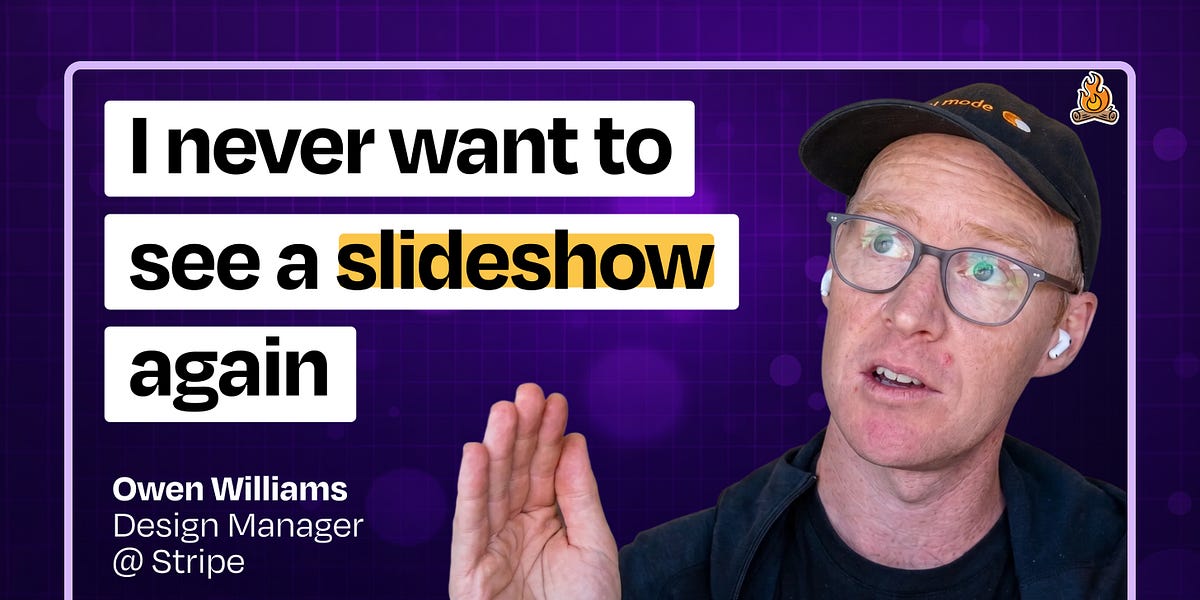
Conversations shift from "Should we staff a designer on this project?" to "Here's the actual work; let's discuss how to make it better." PMs can now unblock themselves, test ideas with users earlier, and advocate for design resources with real prototypes instead of abstract arguments.
Surprisingly, PMs now use Protodash just as much as designers, fundamentally changing how Stripe approaches prototyping, design reviews, and engineering handoffs.