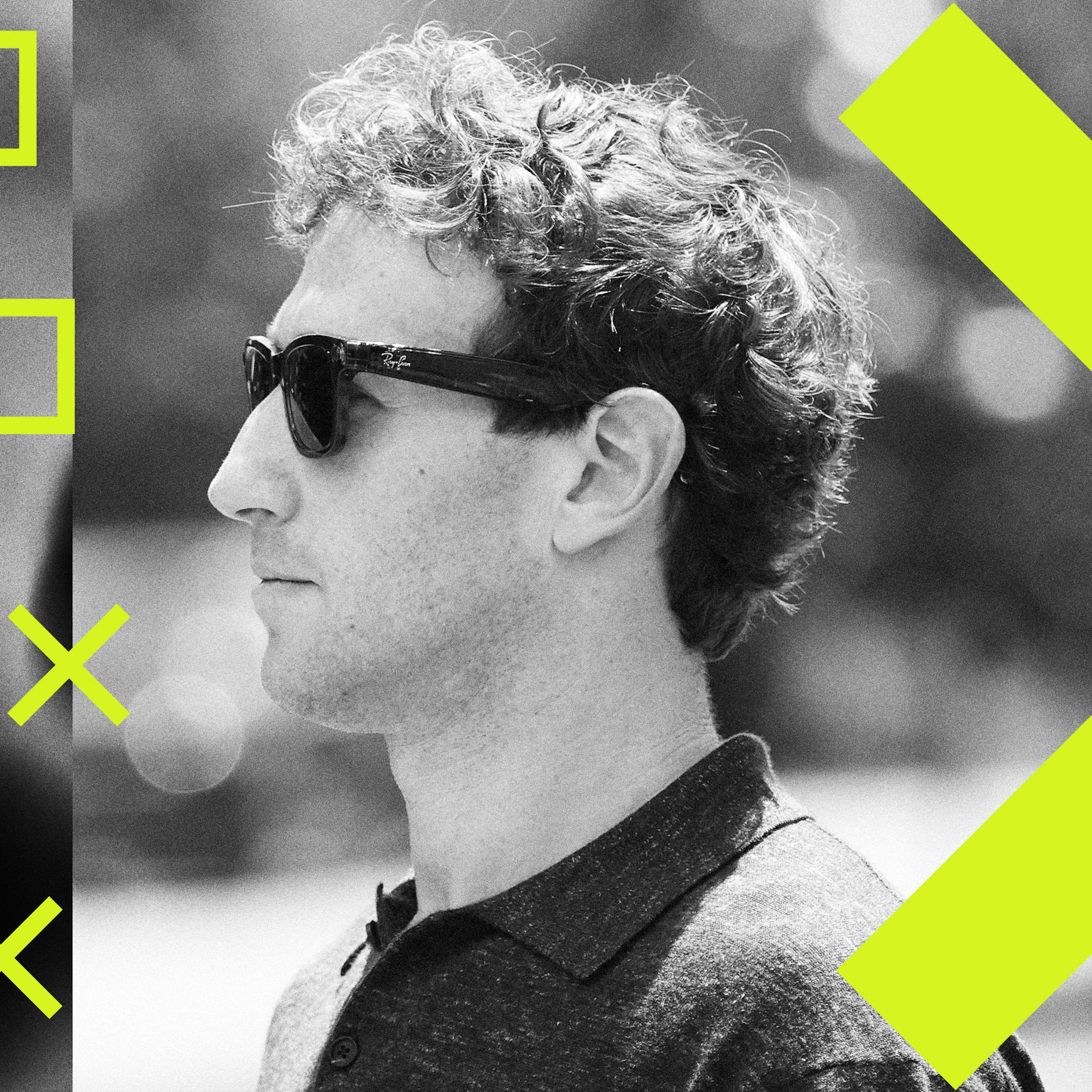
My response to all of that is it doesn't matter what Meta says. This is the essential truth of every piece of mainstream consumer technology. The users define the product. If you sell millions of gadgets to people, they will use them in ways you never expected. It's those emergent behaviors that often define the next version of the product.
what the AI assistant of the future might actually look like: persistent, proactive, personalized, and capable of doing work on your behalf rather than waiting for another prompt
Rather than chasing a futuristic look like many EV makers, FTN Motion doubled down on nostalgia and craftsmanship, betting that riders want something that feels like a classic, not a gadget.
The problem with wearable devices is the interaction model. They are only useful when you are interacting with them, when the human is in the loop. But being in the loop with a wearable is annoying and inefficient. what is being demonstrated here, however, is a brief interaction and then the agent doing work in the background. In other words, the usefulness happens in the cloud without the human needing to be involved because an agent is doing work.
You can just take an idea, you can write it in, and then something can get created for you. But very importantly, you can still move into the Canva's object editor and lay things out, collaborate, edit away.
the purpose of AI should be to actually help people do things they're trying to do by either augmenting their intelligence or collaborating with them as an intelligence.
I was drinking a greens powder and looked up in the corner of the room and I was just like, there's no way I'm keeping this habit past 30 days. Um, so that was sort of the epiphany of, hey, how do I take uh something as robust and comprehensive and make it into a form factor that could build a habit for consumer.
How do I take uh something as robust and comprehensive and make it into a form factor that could build a habit for consumer. Make it something they look forward to. They go to bed at night thinking about, excited about taking Gruns the next day.
It's possible to build a product that doesn't just provide real value to people's lives but is tapped into how people feel and how people want to feel.
The fact that Grammarly is ever present is very important and [it produces] very high-quality grammar results. As we split the product into parts, we said, "We're going to take the platform layer of Grammarly and we're going to turn it into a platform." That's what we call Go.
The fact that Grammarly is ever present is very important and [it produces] very high-quality grammar results. As we split the product into parts, we said, "We're going to take the platform layer of Grammarly and we're going to turn it into a platform." That's what we call Go. That's about allowing other people to create agents and experiences that provide a high-quality experience that we can make ubiquitous for them.
I was trying to capture that initial innocence that we all had. The sense that you were almost in a private room with your friends rather than having it be this public forum that everyone across the world could attend.
7mo ago
Underscored — save the words that stop you in your tracks.