Tag:entrepreneurshipClear

There is a sharp distinction between investor positioning and customer positioning; confusing the two is one of the most common mistakes founders make. While the board wants a grand vision of the future, buyers simply want a reason to choose your product to solve a specific, painful problem today.

April Dunford, Lenny's Newsletter
2w ago

A founder's greatest strength—personal competence—eventually becomes the company's biggest liability as it scales. To reach the next level of growth, you must evolve from an orchestrator of systems to a network node that distributes actual decision rights, not just repetitive tasks.

2w ago

Positioning defines how your product is the best in the world at providing some value that your best-fit customers care a lot about right now. It is firmly rooted in the present and describes why a specific type of customer should choose your product over any other alternative today. Positioning changes over time as we follow our strategy on the journey to the vision.

2w ago

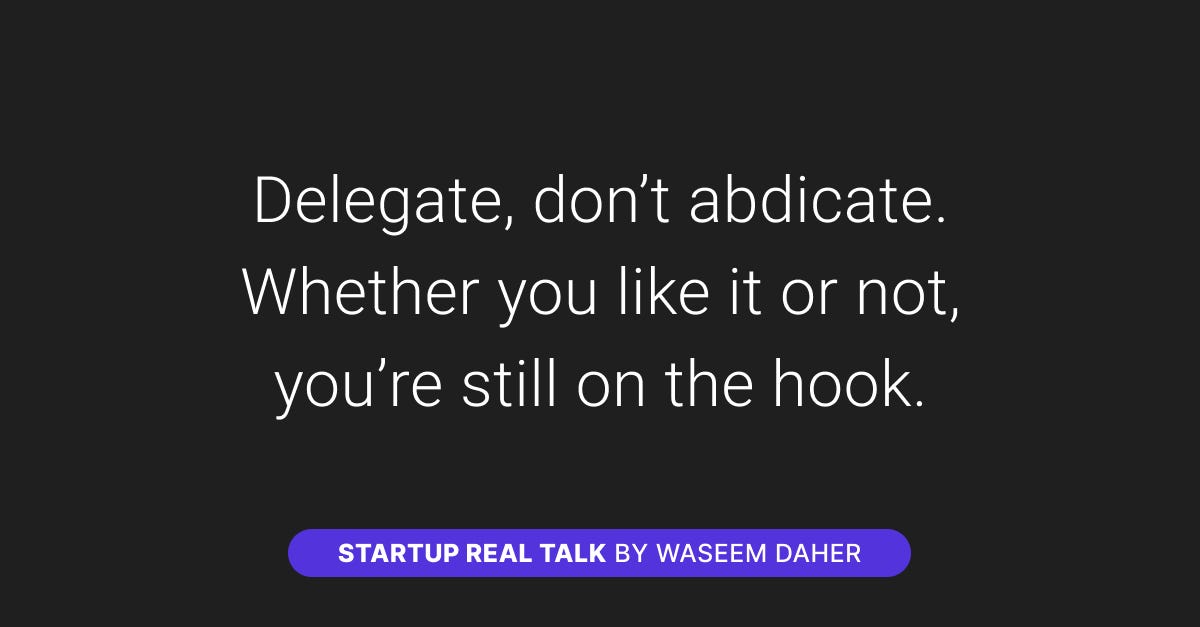
There is a big difference between delegating responsibility and abdicating responsibility. While you want to give new hires ownership and agency, you are still ultimately accountable for everything the business does; you must stay close enough to the details to understand if the work is succeeding or if you need to intervene.

3w ago

“You have to remember that no one cares about your startup. I’m blessed that you’re asking me questions about my startup, and you seem to be interested in it, but in general, nobody cares about your startup. They care about things that are happening that are relevant in their world, and they’re only going to care about you to the extent that you are either providing perspective on that other thing, or are a good example of the thing.

3mo ago

"There’s nothing more “agonizing” than laboring on a product nobody wants. It’s a tool for isolating and crystallizing your intuition about your business. It’s elementary stuff, but time and again since we started doing this, it’s proven remarkably useful, even for very sophisticated founders.”

3mo ago

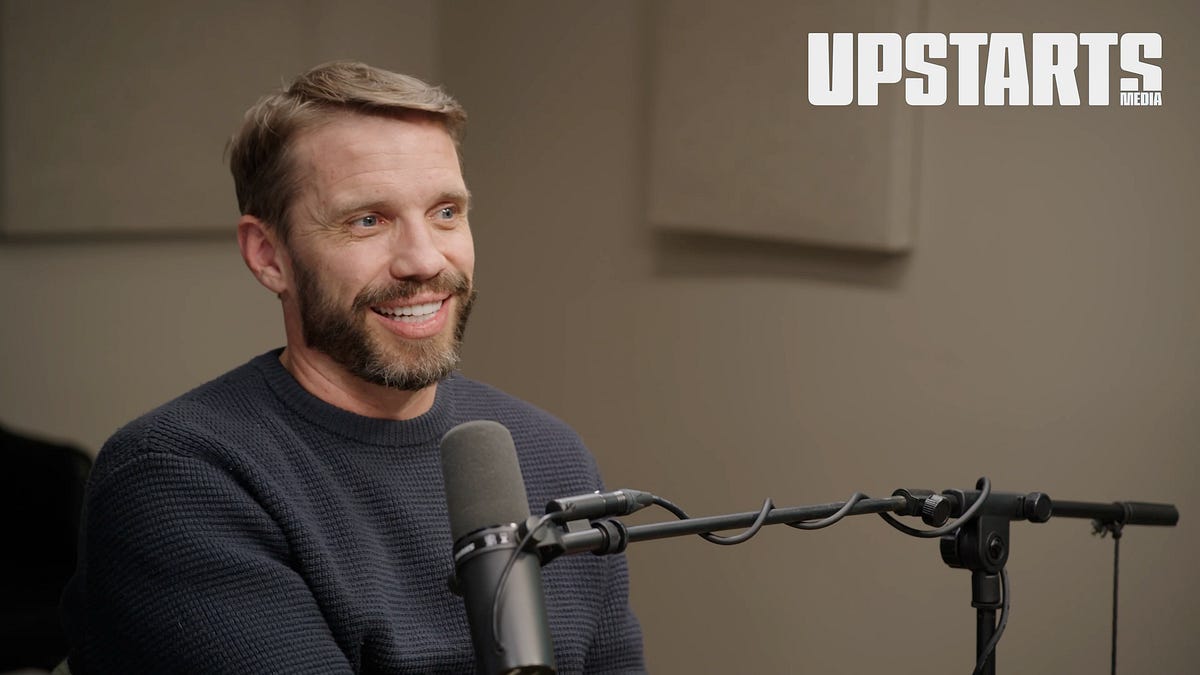
But whether you’re sized more like a small business or an AI unicorn, the emotional rollercoaster of being a founder is probably the same. At Upstarts, I vacillate daily between the exuberance of empire-building, and questioning what it means to really exist.

3mo ago

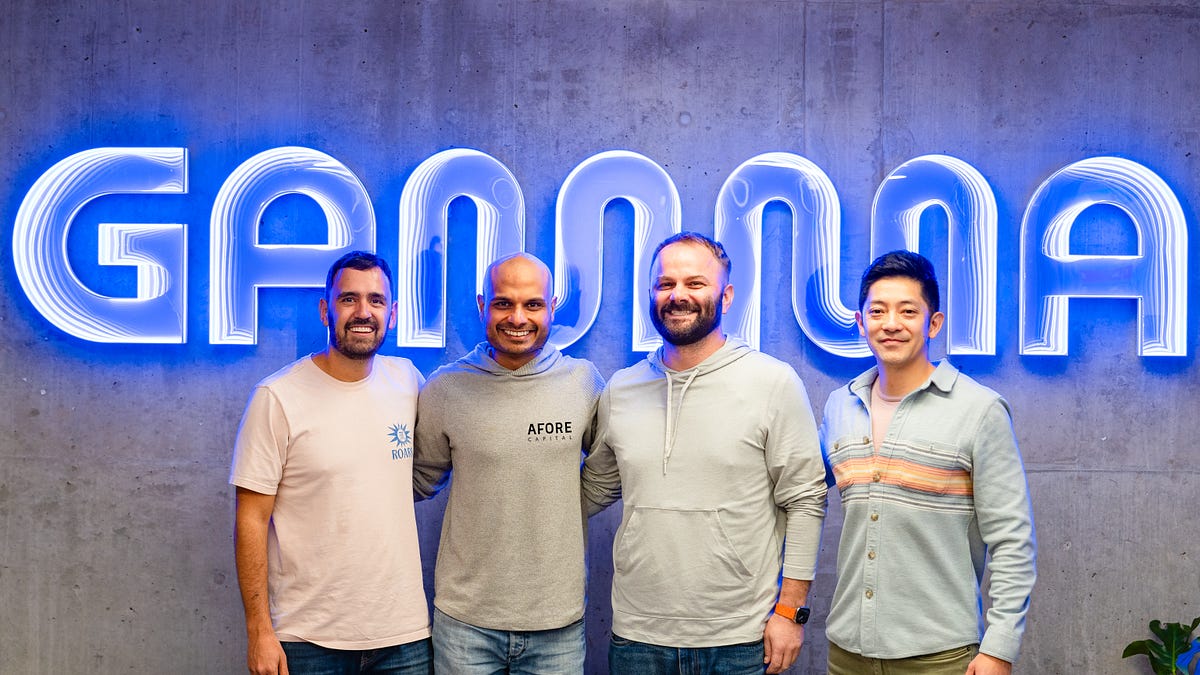
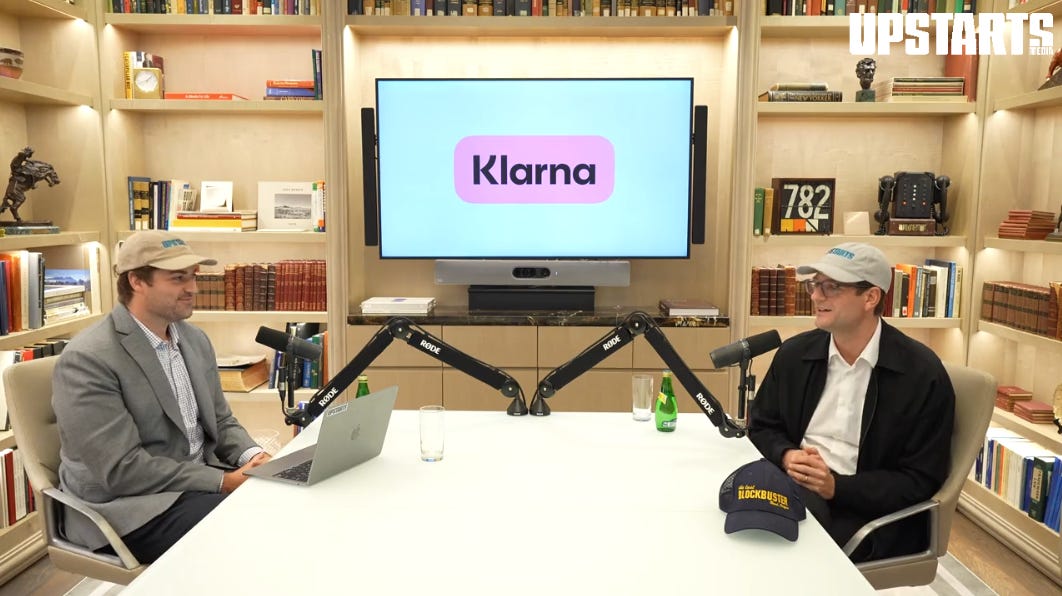
“People ask me about the IPO and ringing the bell. I’m sure all of that’s going to be really cool and a fantastic experience. But for me personally, emotionally, after being this kid from this small city north of Stockholm, to actually stand in Bentonville at Sam Walton’s grave — and to realize that I will now have the opportunity to work with the biggest retailer in the world, that I’ve always been the biggest fan of — that to me is emotional on a different level.”

3mo ago
linkedin.com

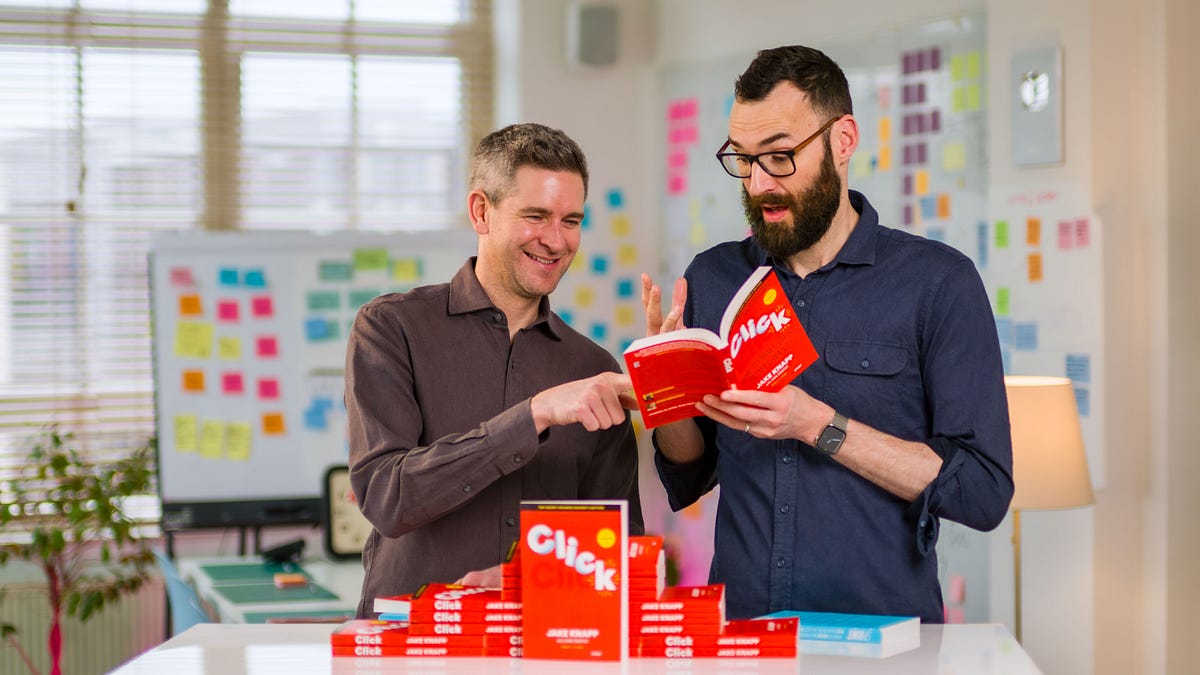
Decision-making is an under appreciated skill for founders. There's so much chatter about how to build, how to launch, how to sell, how to test… All of these activities generate information, but there are few tools for using what you learn to make good decisions about what to do next. Which is crazy, because that's the whole point of a startup! Do something, learn something, adjust and repeat. We have created two powerful tools for decision making: Note-and-Vote and Magic Lenses. These are straightforward methods for making good, opinionated, fast decisions alone or with a team. We have used them hundreds of times with startups and for our own internal decisions at Character Capital. They are based on our observations from work with 300+ teams, and on behavioral research about decision-making.


3mo ago

Underscored — save the words that stop you in your tracks.

Start saving quotes →