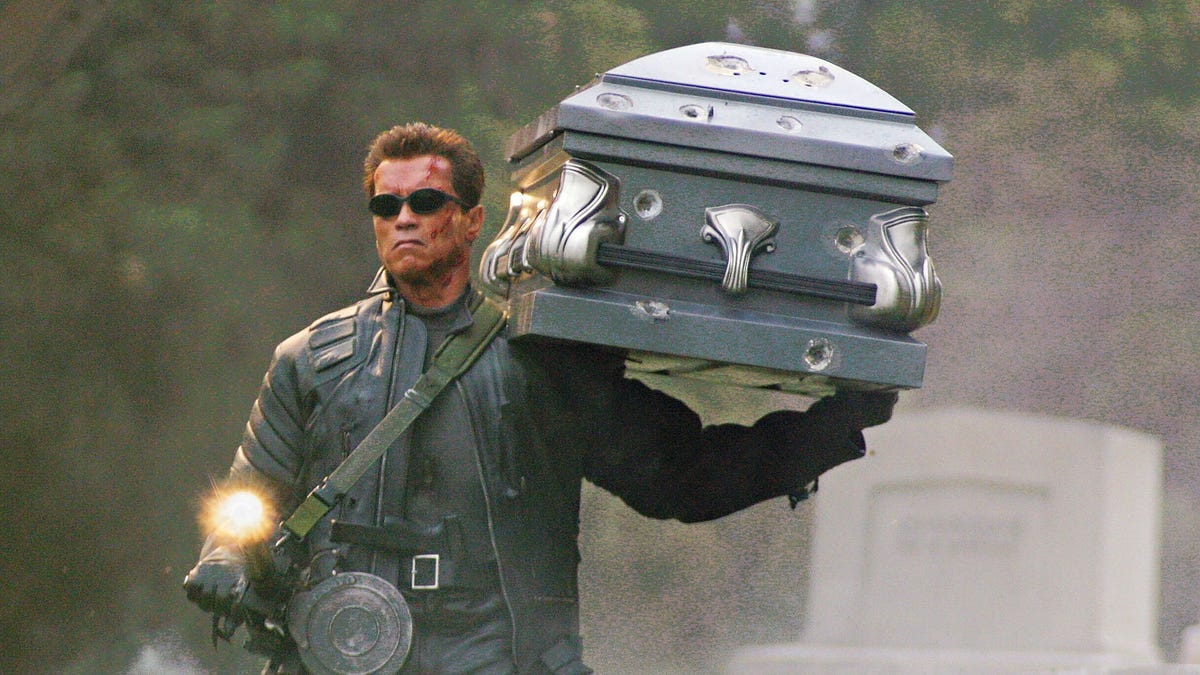
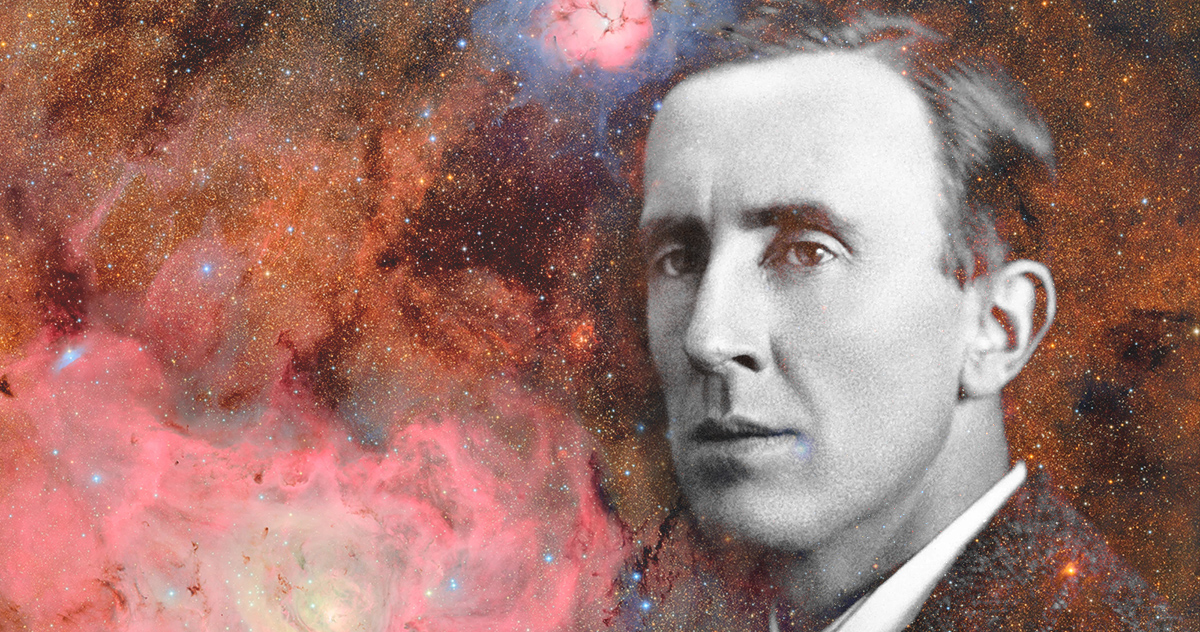
The sailor does not control the sea, nor does the saint control his conscience. They are what they are; and for that very reason there is a wall between them and the things they move through, which can never be dissolved while they live.
8h ago




















Underscored — save the words that stop you in your tracks.
Start saving quotes →