1w ago

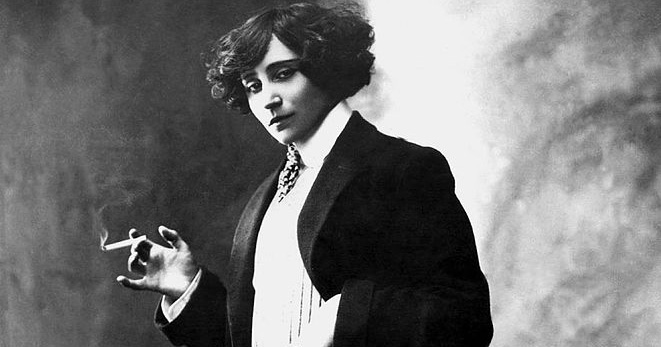
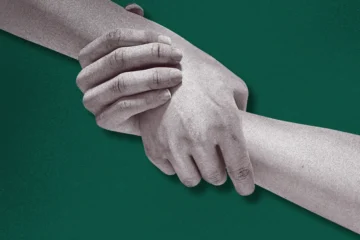
Even the most sincere promise is but a tenuous handshake — not between us and others, but between our present selves and our future selves. Nothing is more discomposing to our self-image than watching ourselves break a true promise on the edge of the awful recognition that our future selves are only ever a fantasy of who we would like to be, not a prediction of who we will become.
The style of things, the kind of things that we shall love in later life are fixed in that moment when the child's strong gaze selects and molds the figures of fantasy that for it are going to last.
The healthy man does not torture others. Generally it is the tortured who turn into torturers.
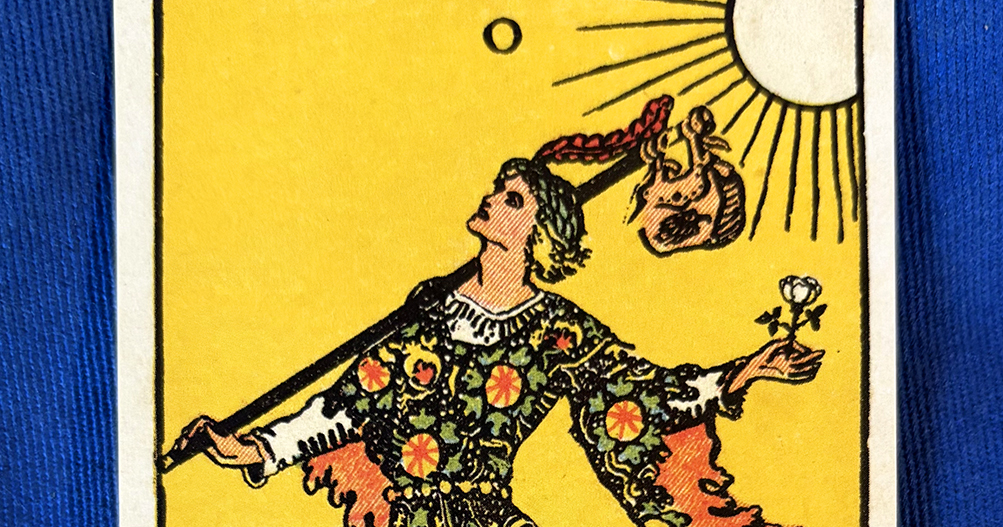
Just as the primary function of prayer is to clarify our own hopes and fears, to hone our priorities and reassert our values, the primary purpose of tarot is not to give us a telescope aimed at the frontiers of the future but a microscope aimed at the most elusive intricacies of the self.

Regret is a turbine of self-destruction, remorse an engine of renewal. Drawing on the etymological and cultural heritage of both words, historian Tiffany Watt Smith offers a revelatory distinction between the two, both subtle and profound.
We are all serving a life-sentence in the dungeon of self. And yet, curiously, most of us find that dungeon inhabited by someone else — something larger than we intended.
We are never so much disposed to quarrel with others as when we are dissatisfied with ourselves.
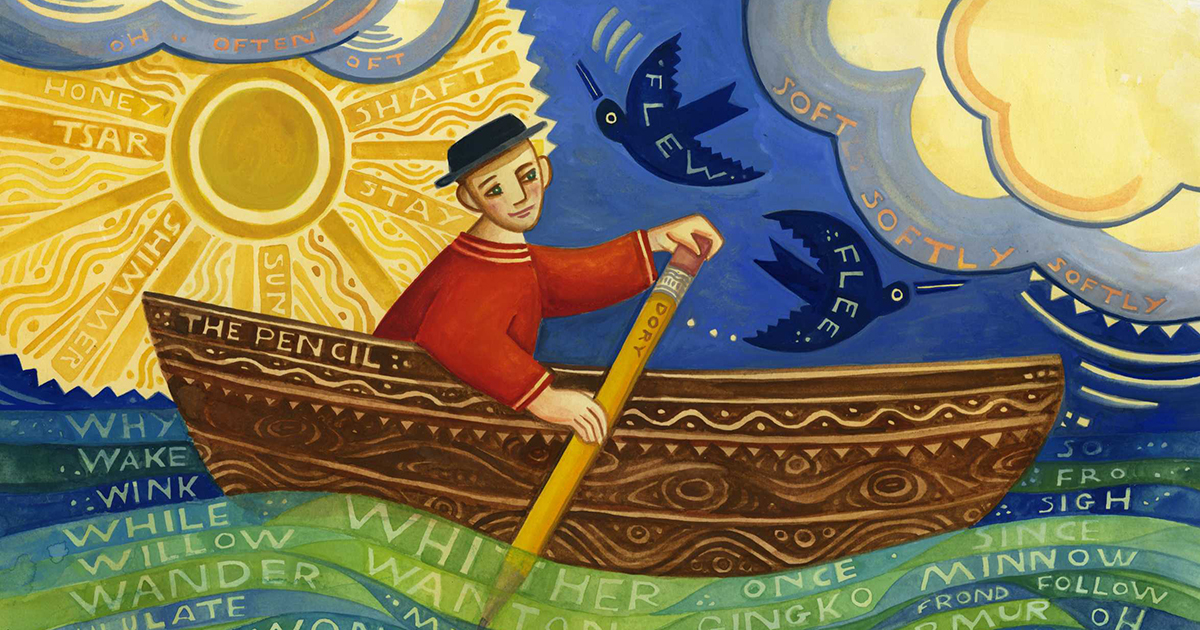
We also live in culture — encoded in each language are a culture's parameters of what it is permissible to feel, which we internalize as the parameters of what it is possible to feel. It helps, then, to have a larger lexicon of emotion — larger than our given language, in order to take back the expansiveness of our experience by liberating it from the constraints of culture.
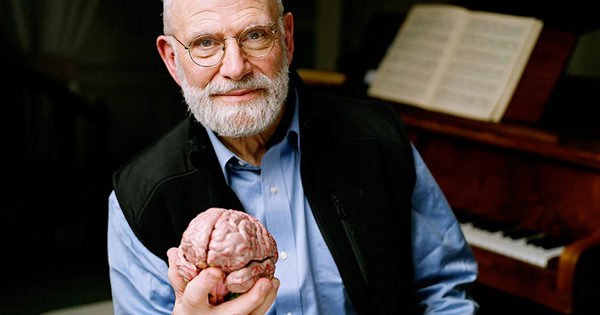
We have, each of us, a life-story, an inner narrative — whose continuity, whose sense, is our lives. It might be said that each of us constructs and lives, a "narrative," and that this narrative is us, our identities. Biologically, physiologically, we are not so different from each other; historically, as narratives — we are each of us unique.
The capacity to be alone is the capacity to love. It may look paradoxical to you, but it is not. It is an existential truth: only those people who are capable of being alone are capable of love, of sharing, of going into the depths of another person — without possessing the other, without becoming dependent on the other.
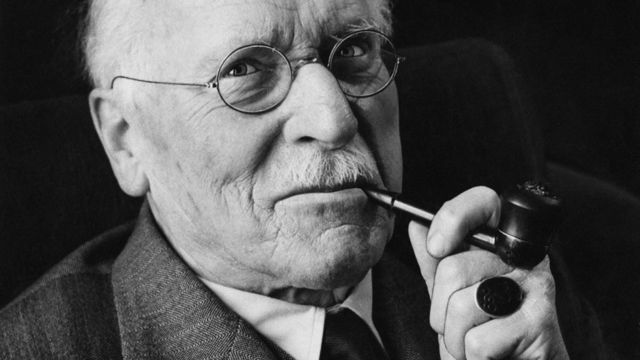
From the middle of life onward, only he remains vitally alive who is ready to die with life. For in the secret hour of life's midday the parabola is reversed, death is born. The second half of life does not signify ascent, unfolding, increase, exuberance, but death, since the end is its goal. The negation of life's fulfillment is synonymous with the refusal to accept its ending. Both mean not wanting to live, and not wanting to live is identical with not wanting to die.

"…is the tendency for adults over forty to have increased or enhanced recollection for events that occurred during their adolescence and early adulthood."
The creative act, which is the absolute antithesis of mere reaction, will forever elude the human understanding. It can only be described in its manifestations; it can be obscurely sensed, but never wholly grasped.
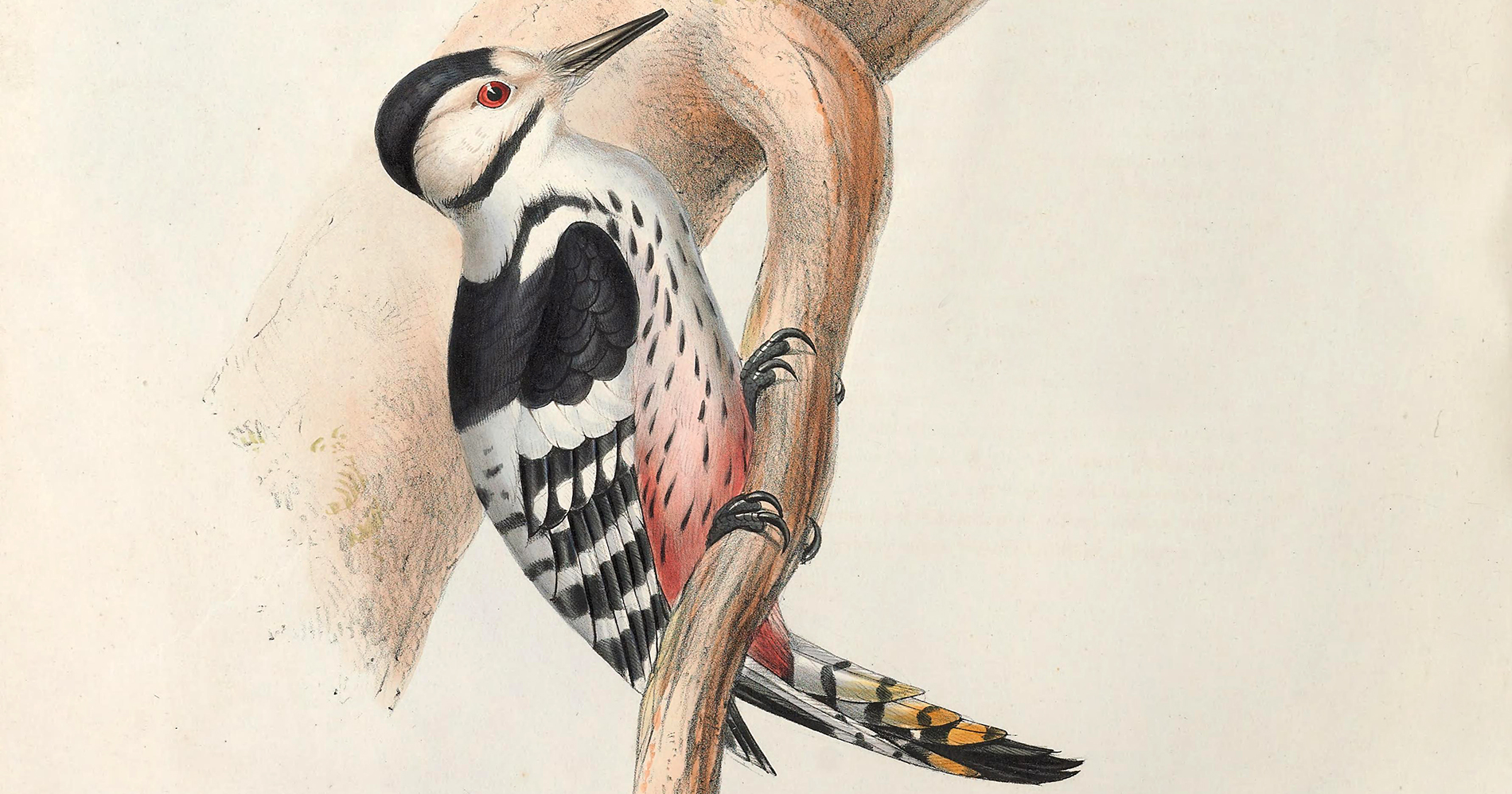
Somehow the despondency thus treated becomes pregnant with an access to new vitality. The organism needs to lie dormant whilst its latent energies are gathering strength for activity on a fresh plane. It is important, moreover, to observe that, so long as there is growth, the fresh plane is likewise a higher plane.
The most thought-provoking thing in our over-thought world is that most people never think at all. And those who do think do not think enough — for most of their thinking is thinking about their thinking, which is no thinking at all.
We are healed of a suffering only by experiencing it to the full.
It is not so much our friends' help that helps us, as the confidence of their help.
The mind is a collection of surfaces, and we must learn to read the signs written upon them—to distinguish between the scratches of accident and the marks of intention.
The mind is like an iceberg, it floats with one-seventh of its bulk above water.
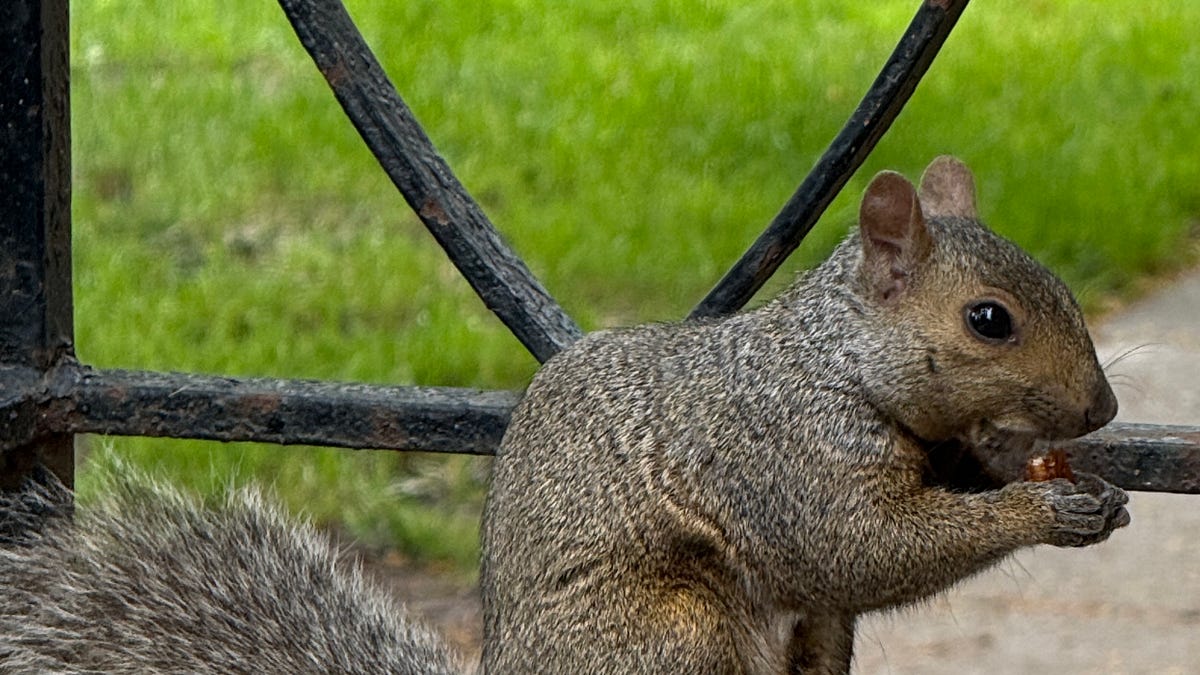
What I'm talking about is a moment where you can be convinced that there's an unknown, deeper order for things. A meaning behind it all, even if we're just trying to apply meaning to coincidence. But it's sweet enough, to me, even if it's just a reminder that we make meaning.
The mind is furnished with a set of instincts which seek out certain kinds of phenomena and are angered by their absence and immediately go in search of them.
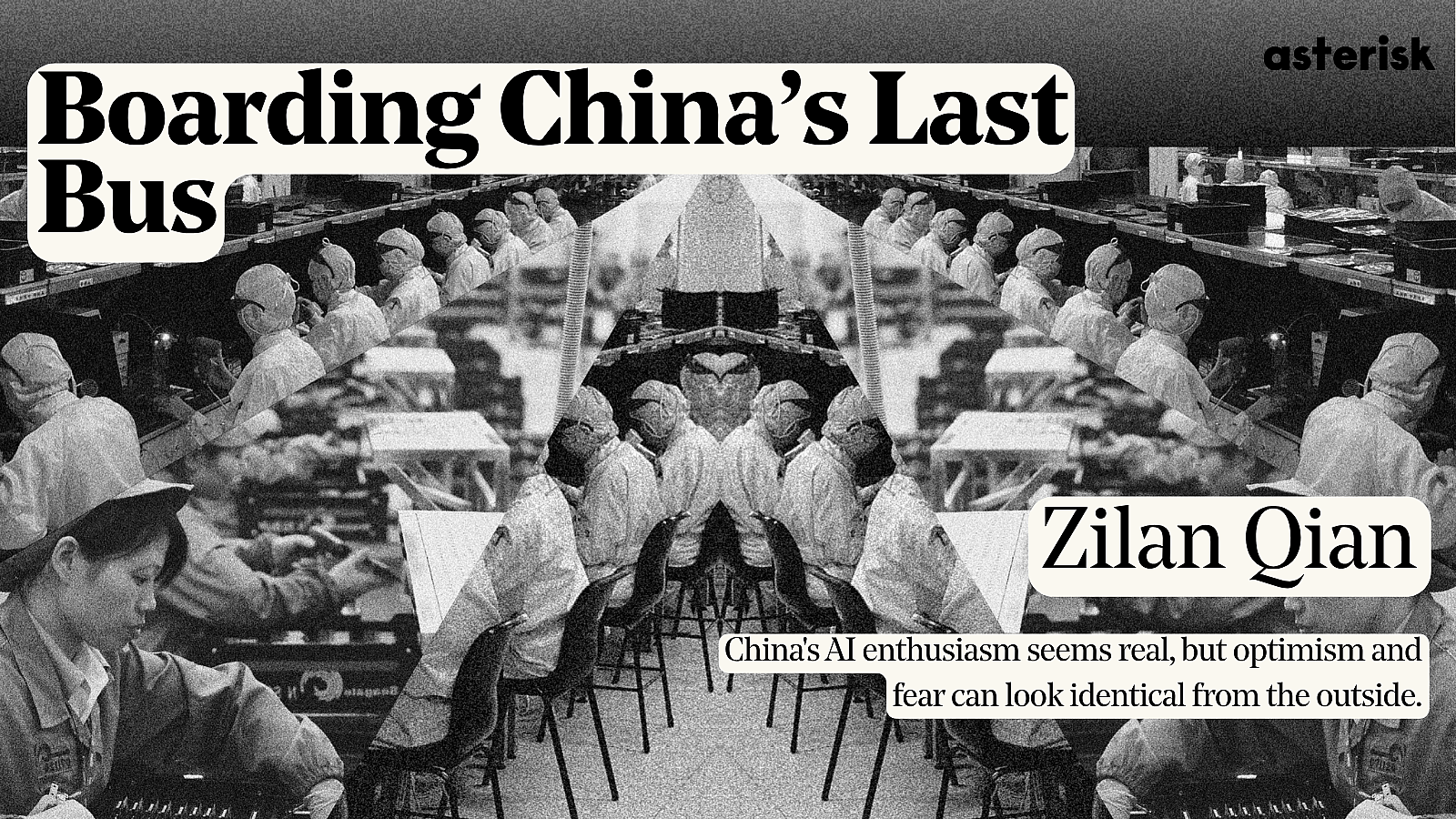
But for a population that lived through the mass layoffs of the 1990s, optimism and fear can look identical from the outside.
When you see anger, it's just the tip of the iceberg. Anger is the secondary emotion. The primary emotion could be sadness, could be disappointment, could be stress.
The true paradox of consciousness is that we are never more fully ourselves than when we have forgotten ourselves—and this forgetting is not a loss but a gain, for in losing the boundary of self we touch something universal.
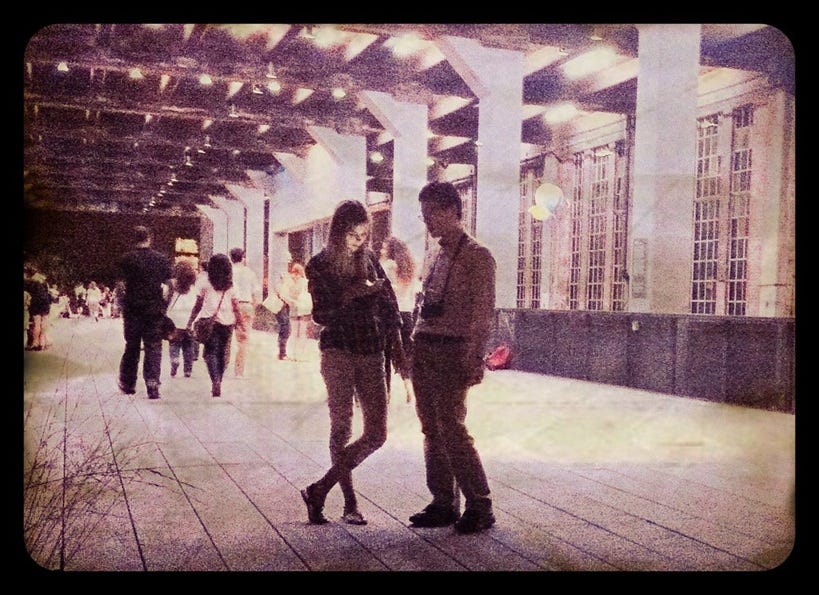
A lot of men — maybe even most men — get emotionally attached to our sex partners. There are well-known natural mechanisms for this. For those guys, going through one woman after another, again and again, for years and years, is just making and breaking those attachments again and again. That's not fun, that's self-punishment.
The mind is furnished with a set of instincts which seek out certain kinds of phenomena and are angered by their absence and appalled by alien forms; which love them when found, but will have none of them when not directly forced upon us.
One thing I've learned from profiling people is that we're all driven by some unspoken need. Why do we keep doing what we do every single day? Usually, there's something we're trying to prove, resolve, escape, or heal within ourselves.
The human mind is a dark forest, full of wild life and monsters. We do not know what we are, we can only see small lights in the forest of our unconsciousness, as it were luminous, phosphorescent flowers and night-blossoms.
We accept the verdict of the past until the need for change cries out loudly enough to force upon us a choice between the comforts of further compliance and the discomforts of further change.

Before purchasing the dress, she was asked to sign a legal waiver acknowledging that the dress did not represent her current size.
The human mind is a dark forest, full of wild life and monsters. We do not know what is in there. We do not know how we think.
The mind is furnished with a set of instincts which seek out certain kinds of phenomena and are angered by their absence and impatient of delay in their arrival. It is the absence of the phenomena, not their presence, which is the true cause of the intellectual excitement we feel.
The principle of parsimony suggests that entities should not be multiplied beyond necessity; yet in the study of human nature, we continually discover that the simple explanation was merely the one we had grown comfortable defending.
The mind is furnished with a set of instincts which seek out certain kinds of phenomena and to avoid others, to make much of some impressions, little of others. It is thus a subjective instrument, and bears the stamp of subjectivity upon all it apprehends.
The mind is furnished with a set of instincts which seek out certain kinds of phenomena and ignore the rest. The immediate fact which the science of logic has to take account of is that certain material is presented, certain aspects of this material are noted and emphasized.
The mind is furnished with a set of instincts which seek out certain kinds of phenomena and are indifferent to others, remaining by nature blind to facts that are uncongenial to them.
The mind is furnished with a set of instincts which seek out certain kinds of phenomena and are on the alert for them, and especially apt to be lively and to produce the感 of reality whenever they are stimulated.
The mind is furnished with a set of instincts which seek out certain kinds of phenomena and are negative to others, making us accept or reject much that we might theoretically be indifferent to.
The true nature of things is in their particulars, not in generalities; we know a thing by knowing its individual characteristics, not by subsumming it under a class.
The mind is furnished with a set of instincts which seek out certain kinds of phenomena and are interested in them, and consequently neglects the rest. The result is that whilst the world of each of us, as we know it, is a sort of mental monster—selectively interested, systematically partial.

Kids who'd seen it—or, even better, whose older siblings had—spoke in whispers about its contents, less because they were afraid of being overheard by an adult than because it felt as if even putting its terrible images into words might open the door to some unimaginable evil.
The purpose of consciousness is to orchestrate behavior, and consciousness succeeds brilliantly at this task when it stays in the background, when it doesn't interfere with the smooth operation of the automatic processes that have been honed by natural selection.
The mind is furnished with a set of instincts which seek out certain kinds of phenomena and are on the alert for them, and come soonest into play. Fear comes first, then probably sympathy or motor discharge of some sort; then curiosity about the novel situation; and finally systematic procedure and definition of it.
The mind is furnished with a set of instincts which seek out certain kinds of phenomena and ignore others, leaving us to perceive only a biased sectional view of the world.
The mind is furnished with a set of instincts which seek out certain kinds of phenomena and are anxious until they find them. If the mind were a mere mirror, it might be pleasant for it to reflect the world, but it would have no motive to seek one kind of world rather than another.
The mind is furnished with a set of instincts which seek out certain kinds of phenomena and ask for explanations of certain kinds of congruity in those phenomena. Order is the one thing we cannot do without.
The mind is furnished with a set of instincts which seek out certain kinds of phenomena and which ignore the rest, and this selectiveness is as characteristic of man as of the lower animals. A thing is important if it has consequences, if it is connected with our emotional and practical interests; otherwise it is trivial and unworthy of notice.
The mind is furnished with a set of instincts which seek out certain kinds of phenomena and are apt to feel snubbed or startled by others. The truth is that there are as many 'kinds' of things in the world as there are kinds of interest among observers of it.
The mind is furnished with a set of instincts which seek out certain kinds of phenomena and are satisfied by the presence of these phenomena, just as the nutritive instincts are satisfied by food.
The mind is furnished with a set of instincts which seek out certain kinds of phenomena and are careless of others. It is theoretically interested in some matters, theoretically indifferent to others. And, by an easy extension of the principle, what is theoretically indifferent may be, and usually is, theoretically obnoxious.
Underscored — save the words that stop you in your tracks.
Start saving quotes →