Social media is now being regulated primarily by judges and juries. AI regulation can't afford to take the same path. One, the stakes are even higher than they were in social media. (TikTok and Instagram might scramble your brain, or the brain of someone you love, but there was never any risk that they might automate your job or invent a novel bioweapon.)
I argued that this was one reason for the social unrest of the 2010s, as legions of frustrated smart people spent their energy and extra time attacking the American system they felt had jilted them — and applying ideas they had learned in academia to modern American politics via social media.
Community, sadly, doesn't scale; any platform that is available to everyone starts out special and spirals from there. Ultimately, public social media sites became personal entertainment sites, tuned for engagement, culminating in TikTok, a social media site with basically zero social component.
TikTok and other sites were told to curb protest footage and AI-altered images, while online retailers like Vinted and eBay reportedly signed an agreement stop looted goods from flooding resale sites.
The second victory is more relevant to the OpenAI news. The day before the Los Angeles verdict, a jury in New Mexico slapped Meta with $375 million in civil penalties for violating the state's Unfair Practices Act — for telling the public its platforms were safe for kids when, the state argued, Meta knew they weren't. In August, a judge ordered an additional $567 million in relief, bringing the total to $942 million.
It's possible to think of vertical short-form video feeds as a kind of heavenbanning. Your feed is curated by AI, tailored to your own preferences. The videos you see aren't made by anyone you know, or (probably) by anyone you'll ever meet.
It wasn't long ago that Zuckerberg had deployed the metaverse in developer-conference keynotes the way he did with Muse this week: as a bright spot to rally the company around amid never-ending litigation and social backlash related to the company's core products, which went all but unmentioned on Wednesday. It wasn't long ago that Zuckerberg told us that the metaverse would be where billions of people were spending their time. And so, when he says that — never mind — it's actually Muse where everyone will be spending their time, there's more than a little reason to doubt him.
rising discontent across Chinese social media is not necessarily a reflection of the limits of that aforementioned censorship, but possibly a window into how the Party manages social malaise.
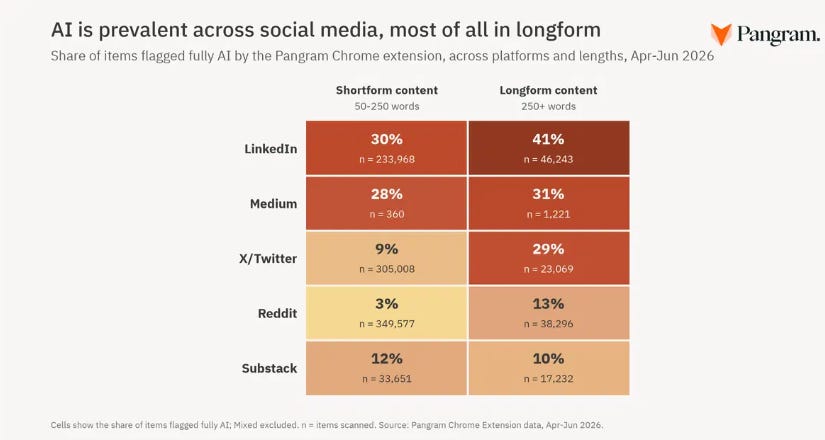
According to Pangram, one in four social media posts are now fully synthetic or AI generated. Of all posts they flagged as AI-generated, two-thirds came from LinkedIn.
Depressed girls use social media more, she says, but social media use doesn't seem to predict later depression. The real crisis, in Odgers' telling, is among adults: parental overdose deaths more than doubled between 2011 and 2021, and caregivers' mental health is among the strongest predictors of child outcomes.
The students said that they only stayed on TikTok because other people were on it too, and they were afraid of missing out. FOMO is not utility; it's a bad equilibrium.
I don't know at what point performing for friends and rooting for your team falls over the edge into something darker. I don't know at what point we forget that the person on the other end of our comments is a human being. I don't know at what point our rage becomes more important than the object of our fury.
an important aspect of that story, and one I did not include in that column, is that text-based social networks as a category don't appear to be growing, either.
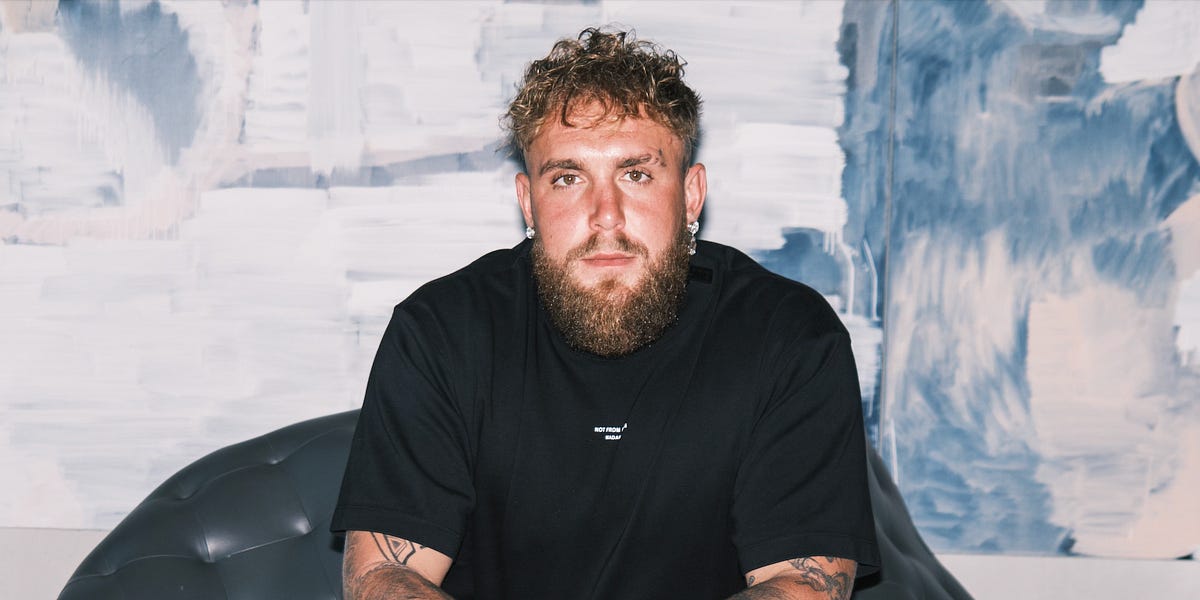
The behavior that makes Jake and Logan hard to take seriously is the same behavior that has kept them at the center of everything. Over the past two decades, Jake and Logan built a social media empire in public, amassing a combined following of more than 150 million and becoming a case study in growing up in the attention economy.
The word "staged" exploded on social media following the attack, as both right and left-wing influencers and anonymous accounts spread unfounded conspiracy theories.
The "6-7" meme was revelatory because of the immense gap between its symbolic payload — essentially nonexistent — and its cultural penetration. It worked like tracer dye running through our information ecosystem, revealing its functions and dysfunctions.
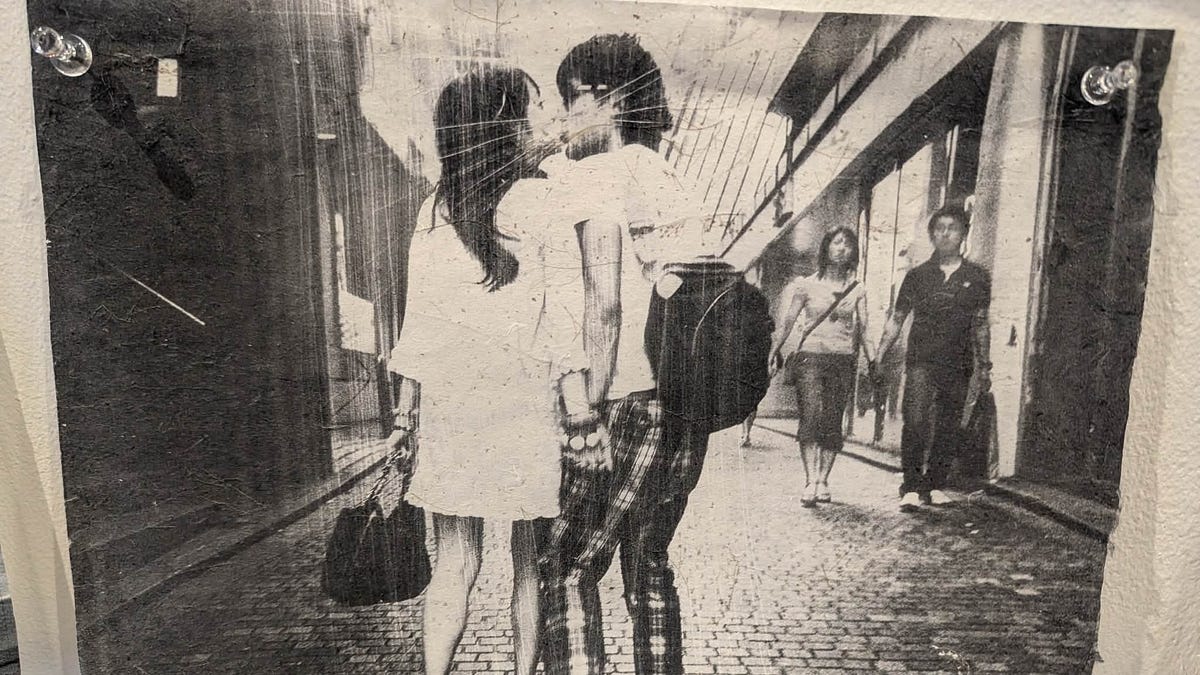
The quirky art culture, vibrant street scenes, and mosaic of small independent businesses that defined 2000s Japan are vanishing under the relentless assault of aging, economic stagnation, and social media.
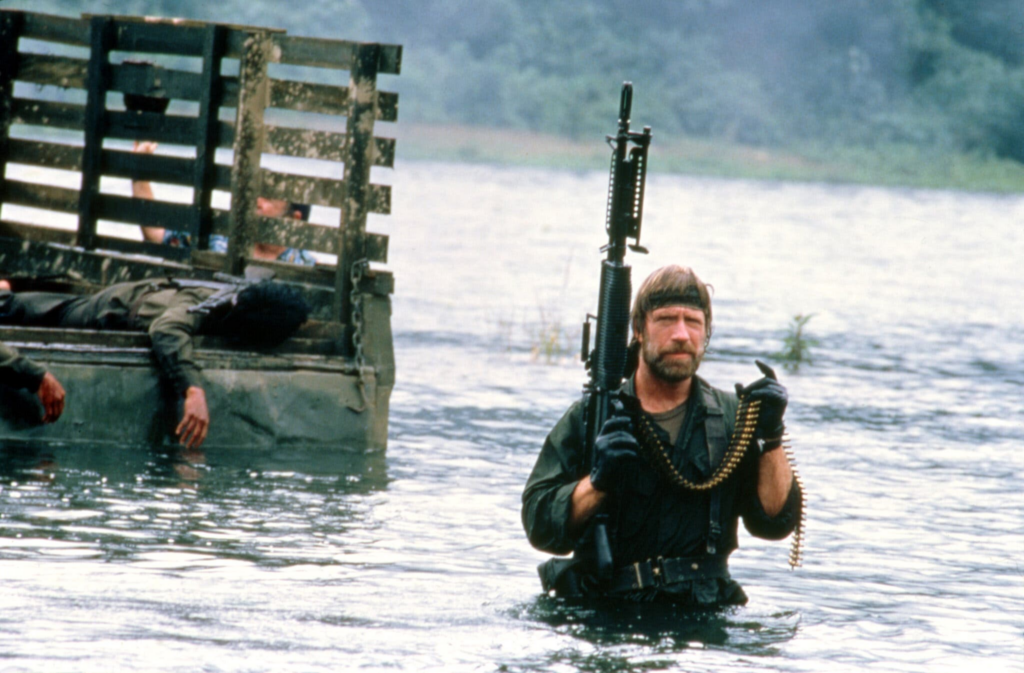
There was a time — in the days when the internet was still a force for fun — when Chuck Norris jokes flooded our screens. It was the mid-2000s. Twitter and Facebook were not yet ascendant. We weren't yet glued to our phones.
Basically, spreading hate and divisiveness on social media is a form of entrepreneurship. As Eugene Wei has written, social media is all about getting social status. 10,000 followers on X may not sound like a media empire to rival CBS News, but for most people it's more attention than they would otherwise get in their entire life.
one of the ironies of writing a book is that your publisher asks to you sharpen your Instagram skills so that you can sell it on a platform that is wildly post-literate and is the same time the home of many writers dancing as fast as they can to create attention for the product of all that sweat and toil.
The paradox of Jason Lee—to me, The Enemy, at least—is that he is a celebrity who openly invites fans to come hang out with him on a regular basis, but who also has historically remained a notably private person.
In a social media landscape where the difference between real and artificial has grown nearly imperceptible, the unmistakable humanity of real-time video is a refreshing draw.
8mo ago
Underscored — save the words that stop you in your tracks.