We do not see nature with our eyes, but with our understandings and our hearts. To a man who is indifferent to beauty, the Sistine ceiling is only paint on plaster.
Reading a novel don't always make us more moral, for instance—although my moral intuitions have been shaped by reading about the adulterous affairs of Russian aristocrats, and the political idealism of Norwegian PR consultants. The modest claim I'll make here is that novels and films have made me a better person, through the obscure mechanisms of style and form and story, and I'll never be without them again.
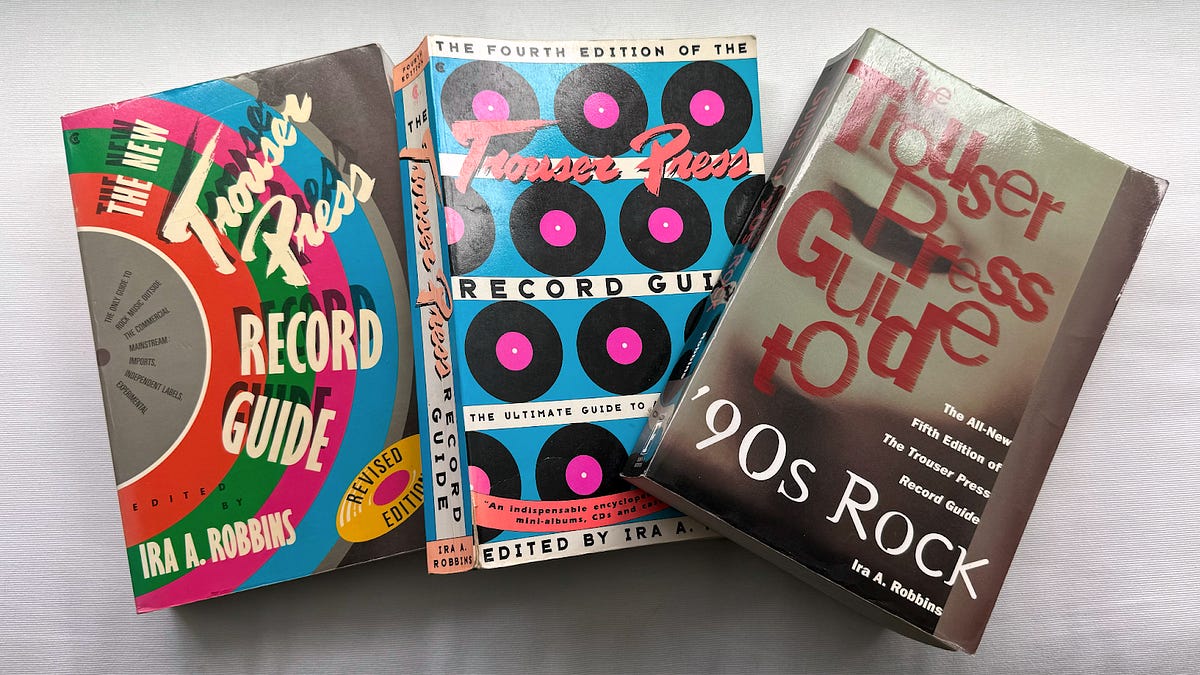
It would be great if all the important books also looked the best, but like dogs or bartenders this is usually not the case. In our matrix, there is a category lurking in the lower right: long-term keeper books that are under-designed and sometimes a bit embarrassing to display, yet personally very important. The best are as ugly as they are essential.
2w ago
The task of the excellent poet is not to say the things that can be said about nature, but to say the things that cannot be said about it.
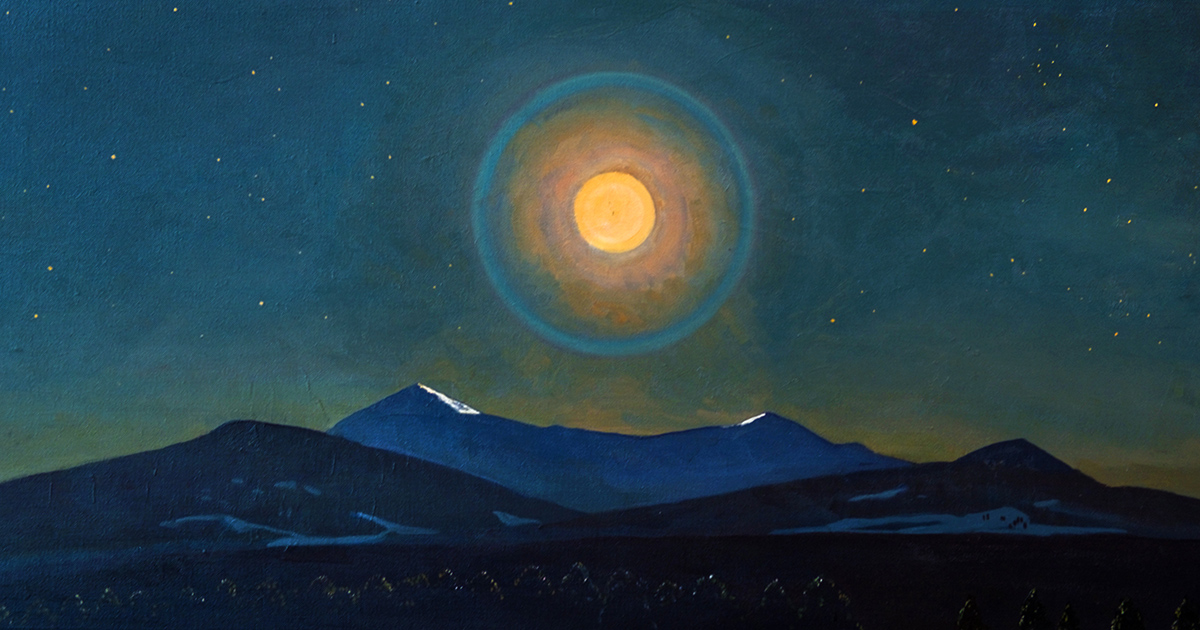
We do not need daylight and to that extent it is utilitarian, but moonlight we do not need. When it comes, it serves no necessity. It transforms.
3w ago
The task of the excellent poet is not to say the things that can be said about nightingales, but to say something that has never been said about anything.
3w ago
The intellect of man is forced to choose perfection of the life, or of the work, And if it take the second must refuse a heavenly mansion, raging in the dark.
3w ago
The eye is not merely a physical organ, but the supreme instrument of the mind; it is the only sense that can perceive beauty, and beauty is the only thing that makes life worth living.
4w ago
We do not remember days, we remember moments. The gods, not being human, have pleasantly forgotten the days and the years of the universe and have kept only a few moments of beauty wherewith to refresh themselves.
4w ago
The eye is not merely a physical organ, but the supreme instrument of touch, and as such it is the very fountain of human expression and communication.
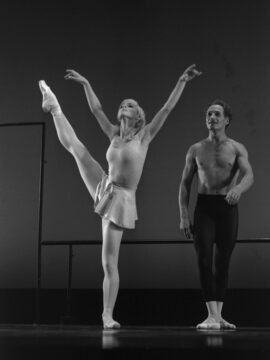
Its power, like that of Bach's series of variations, accumulates slowly, moment by moment. By the end, as the original theme returns, you are left with the feeling of having experienced a great arc, a fully realized idea explored in all its possibilities and permutations.
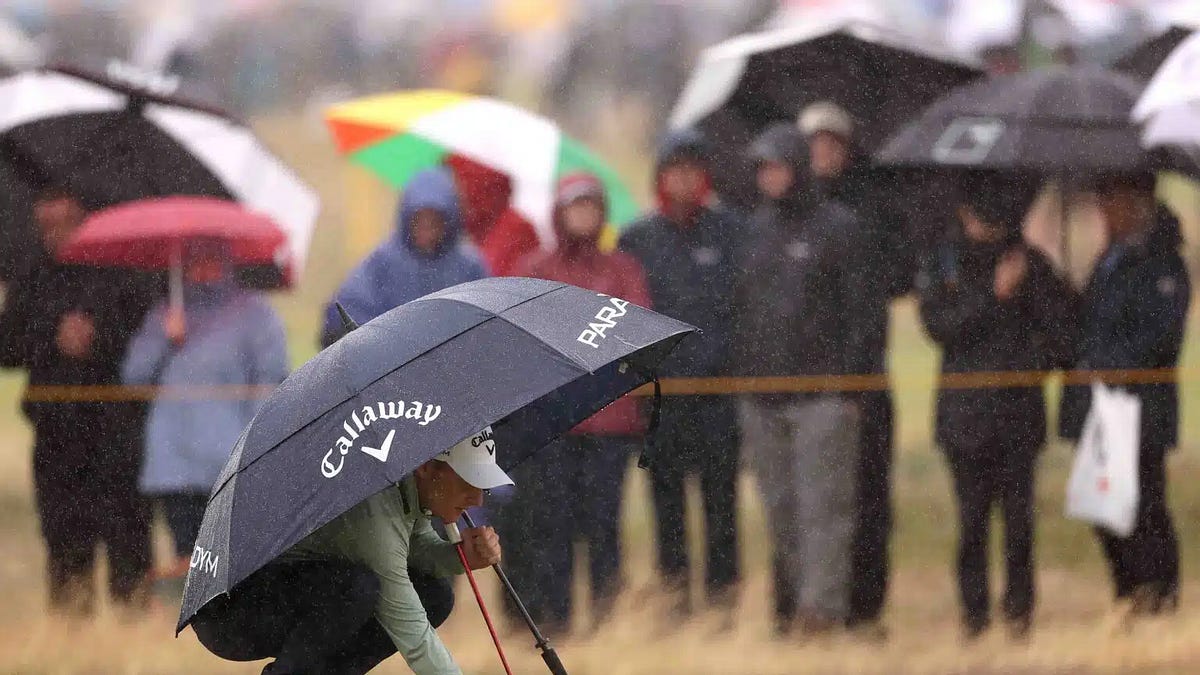
The golf umbrella is the king of umbrellas. It is a portable Superdome, a mobile gazebo that you can hold in one hand. It arches overhead in a graceful geometric dome like an alien butterfly, and the sound (heavens, the sound!) of fat raindrops bouncing off impermeable tensioned nylon is a summer hymn.
Audiences experience analog horror as viewers of cryptic and sinister tapes, which often take the form of training videos, documentaries, or children's television, endowing the subgenre with a characteristic tone of dark or uncanny nostalgia.
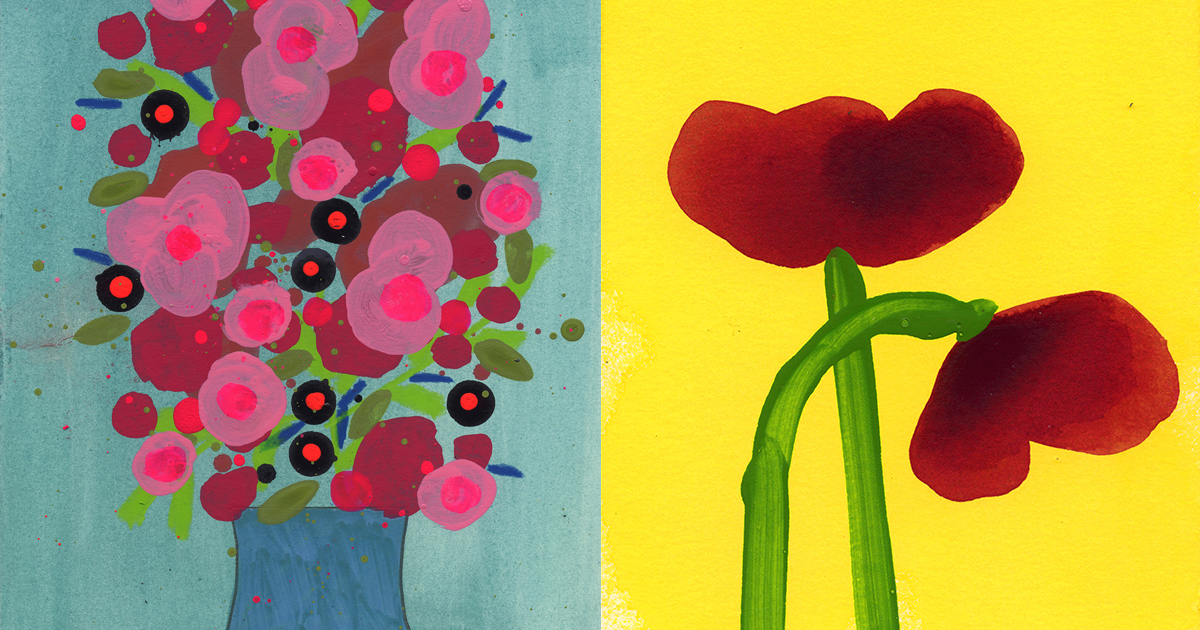
We need flowers for the same reason we need poems, or paintings, or songs — because what we can feel will always be infinitely vaster and more complex than what we can name, because words will always break under the weight of the immensities we task them with carrying, will never fully answer the soul's cry for connection, for consolation, for mercy.
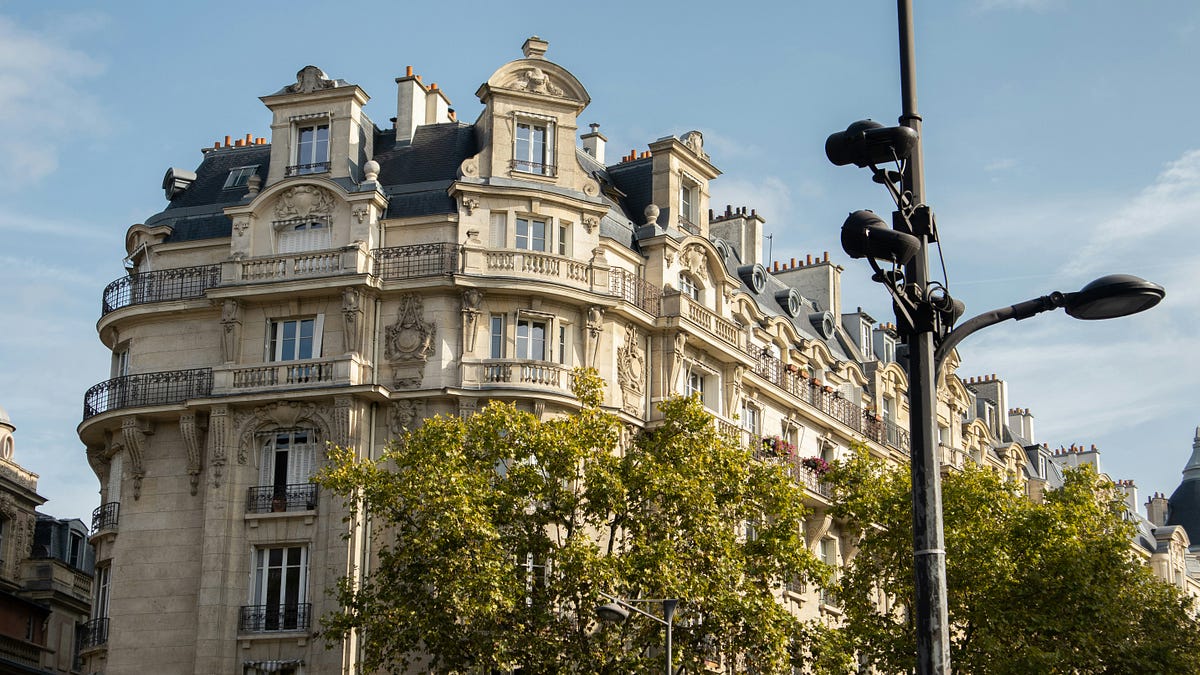
While the paper by [ Broockman, Elmendorf, and Kalla (2026) ] provides pretty good evidence that ordinary people's aesthetic objections to bad, very unfit-to-context buildings affect their support for development (to the extent they care about anything development-related)…no one has shown that any specific set [of] design standards would materially improve public support for development, apart from pretty obvious stuff like "don't put up new buildings in low-density areas that are much taller than their neighbors")
2mo ago
The mind is furnished with a set of instincts which seek out certain kinds of things in the world—food, safety, beauty, knowledge—and the universe cooperates by containing those things. But there are other things in the universe that do not call to any instinct, that have no utility, that simply exist in their own right.
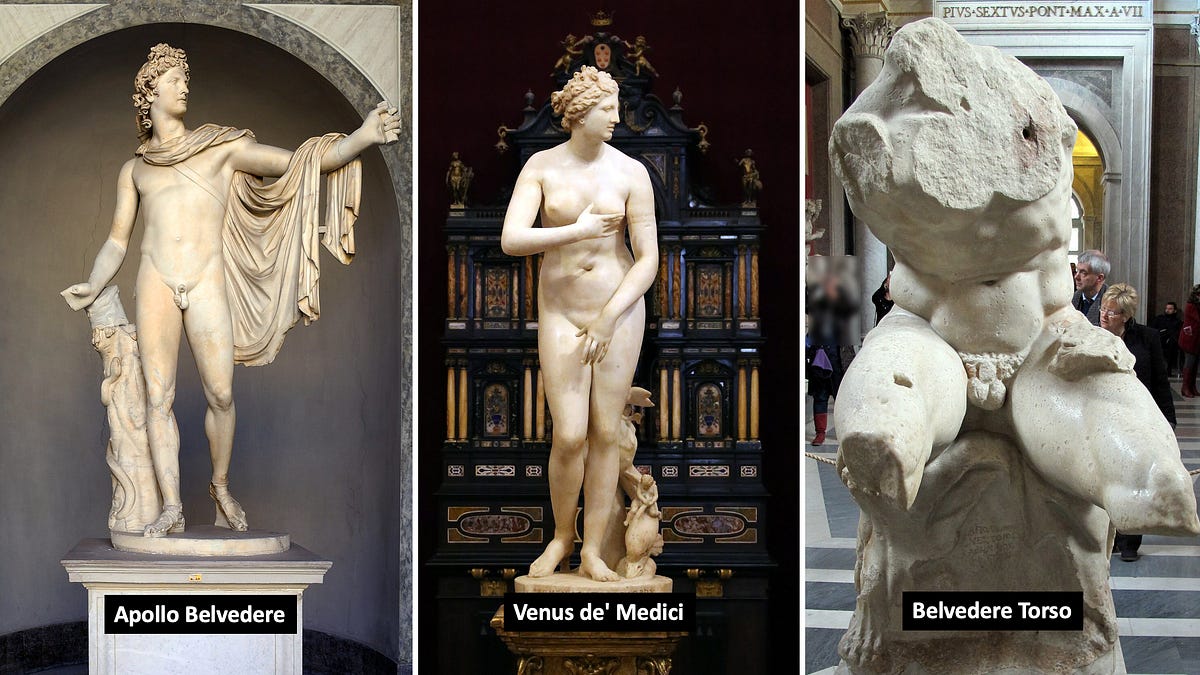
The great minds of the Renaissance believed that such works represented timeless standards of artistic excellence that could not be erased by the passing centuries. In other words, evaluating art was like pursuing the good life. After you discovered the pathway to do that, you kept to the course.
After the finale, what's left isn't the euphoria you get from so many series. It's the opposite: emptiness, and the urge to go back to the beginning and watch the story again, already knowing how much pain and, at the same time, tenderness is hidden inside it.