What does matter is how long humans are waiting for an answer, and as products like AI wearables become more of a thing, the speed of interaction, particularly for voice — which will be a function of token generation speed — will have a tangible effect on the user experience.
The biggest difference is not that OpenClaw can answer questions. Plenty of systems can do that. The more interesting difference is that it can carry context forward in a way that feels less disposable.
So much money and attention is focused on re-thinking our work tools and processes today, Gavini notes, with many of tech's smartest people bringing AI to verticals like legal or healthcare. "My workflow changes every three months now," he says. "So why are the apps that I use on my phone every day still the same?"
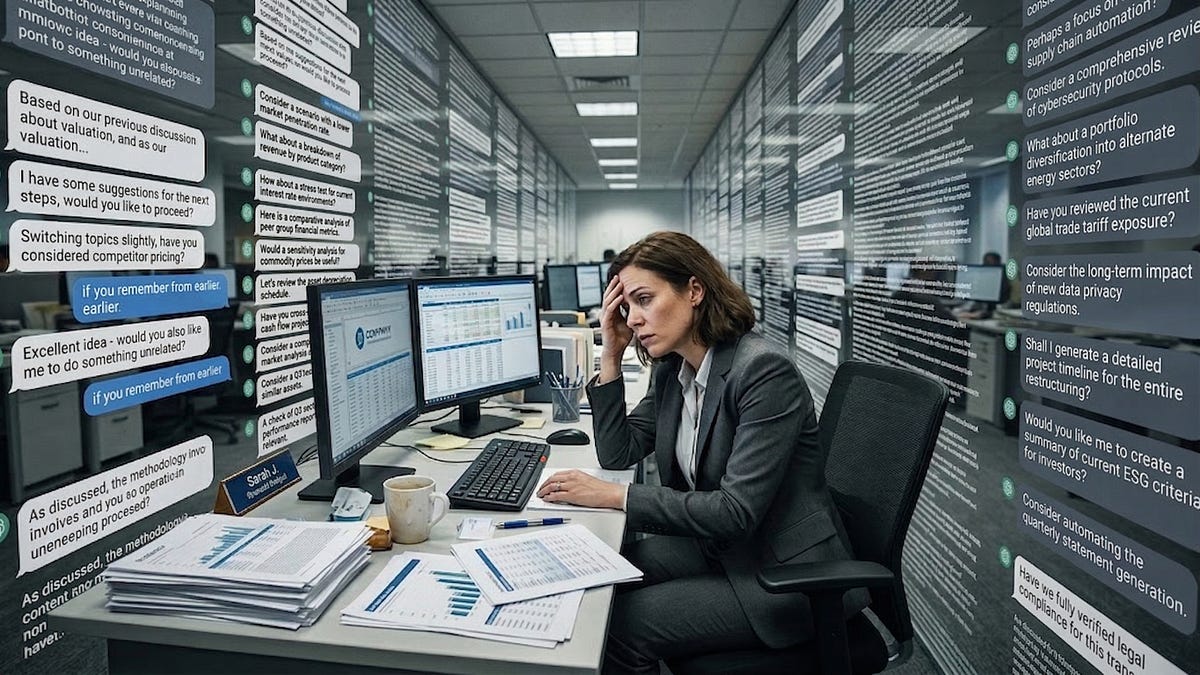
The chatbot interface appeared to be the obstacle, not the work. And once a conversation got messy, it stayed messy. The AI, optimized to be helpful, just mirrored back whatever disorganized structure the user provided while the user, overwhelmed, didn't reorganize.
The dominant paradigm for digital "personalization," the word the industry settled on, is the opposite of omotenashi in almost every important way. For one thing, it announces itself ("Because you watched..."). It benefits the platform first, and the user second. It mistakes behavioral data for understanding, and it arrives with a kind of transactional visibility that Omotenashi specifically refuses: The ryokan host doesn't tell you she noticed you looked cold.
The best consumer companies reinvent the way we live. The art is in understanding the user, creating a kernel of delight, and having the resilience to ride out the storms.
6mo ago
Underscored — save the words that stop you in your tracks.