The tendency to claim God as an ally for our partisan value and ends is the source of all religious fanaticism, hatred, and persecution, and also the cause of the vulgar pursuit of success as a proof of divine favor.
2w ago
The Romans did not spread their arms over so many nations from a desire of empire, but from a necessity of self-defense; and yet, by the time they had finished defending themselves, they had conquered the world.
The tendency to claim God as an ally for our partisan value and ends is the source of all religious fanaticism, hatred, and persecution, and also the cause of the vulgar pursuit of success as a proof of divine favor.
Every invalid is a physician. What does it matter that his prescriptions are all for himself?
It is a far, far better thing to have a firm anchor in nonsense than to ride with the tide of events and be swept along by the prevailing winds of fashion and expediency. Almost nothing in economics is more evident than the desire to believe that the world will be safe for those who are best at the game of competitive self-interest.
The life of every man is a diary in which he means to write one story, and writes another; and his humblest hour is when he compares the volume as it is with what he vowed to make it.
We are always in search of the redeeming quality or deed that shall make us satisfied with our own evil and ours is a life that is not to be separated from the evil to which it gives birth.
The demand of the loveless and the serving for love is written over every page of social history; but few of us are brave enough to read the script.
We think we see the sun rise and set; it is the earth that moves. So with human affairs; we fancy we are active; we are swept along like the rest.
We shall not cease from mental fight, nor shall our sword sleep in our hand — but the enemy we must overcome is not without, it is the lethargy within us that mistakes comfort for peace and habit for wisdom.
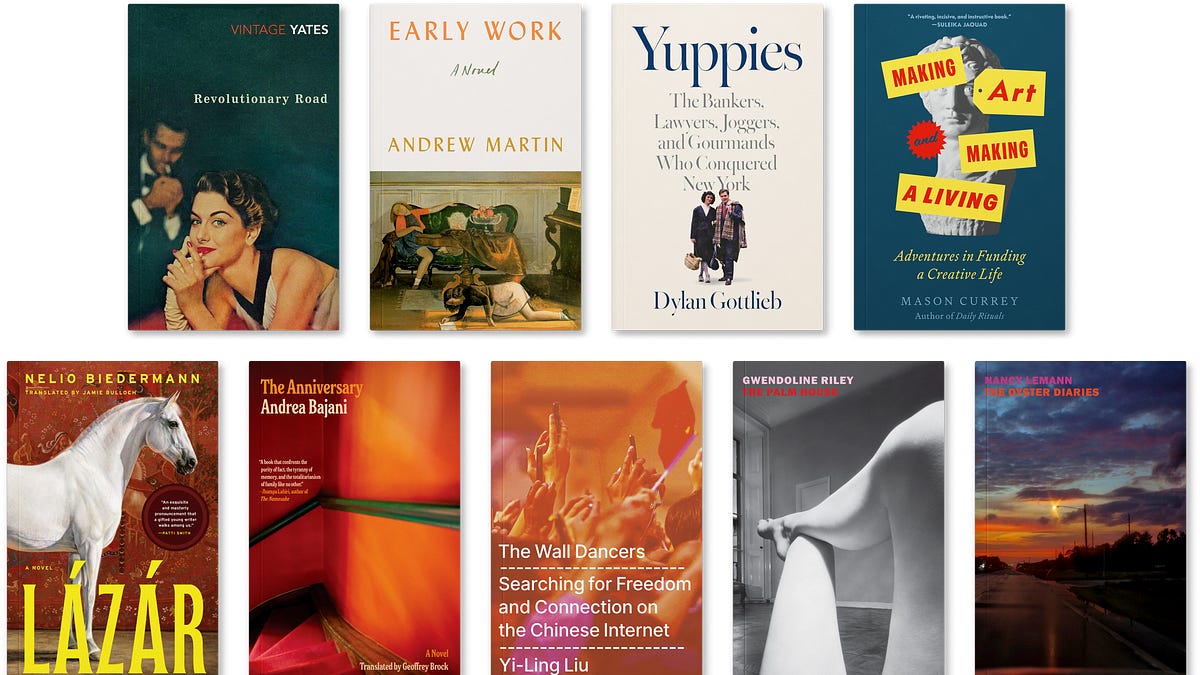
He is saving himself for an invisible 'creative' life that he is too unimaginative to envision.
The human mind is not, as philosophers would have you think, a debater, but a dreamer. The function of the intellect is not to distinguish truth from falsehood, but to make whichever it chooses more vivid and persuasive than it could otherwise be.
It is not the clear-sighted who rule the world. Great achievements are accomplished in a blessed, warm fog.
The moment we want to believe something, we suddenly see all the arguments for it, and become blind to the arguments against it.
We are reluctant to acknowledge the full scope of what we owe to luck, because our vanity rebels against the suggestion that our qualities cannot by themselves have produced our good fortune. It is hard to endure the thought that someone else might equally well have done what we have done.
The escape would have been to love her; then, then he would have lived. She had lived — who could say now with what passion? — since she had loved him for himself…
We are always making gods of those who are indifferent to us, and martyrs of those who love us.
The demand to be loved is the greatest of all arrogant presumptions.
We are all capable of believing things which we know to be untrue, and then, when we are finally proved wrong, impudently twisting the facts so as to show that we were right. Intellectually, it is possible to carry on this process for an indefinite time: the only check on it is that sooner or later a false belief bumps up against solid reality, usually on a battlefield.
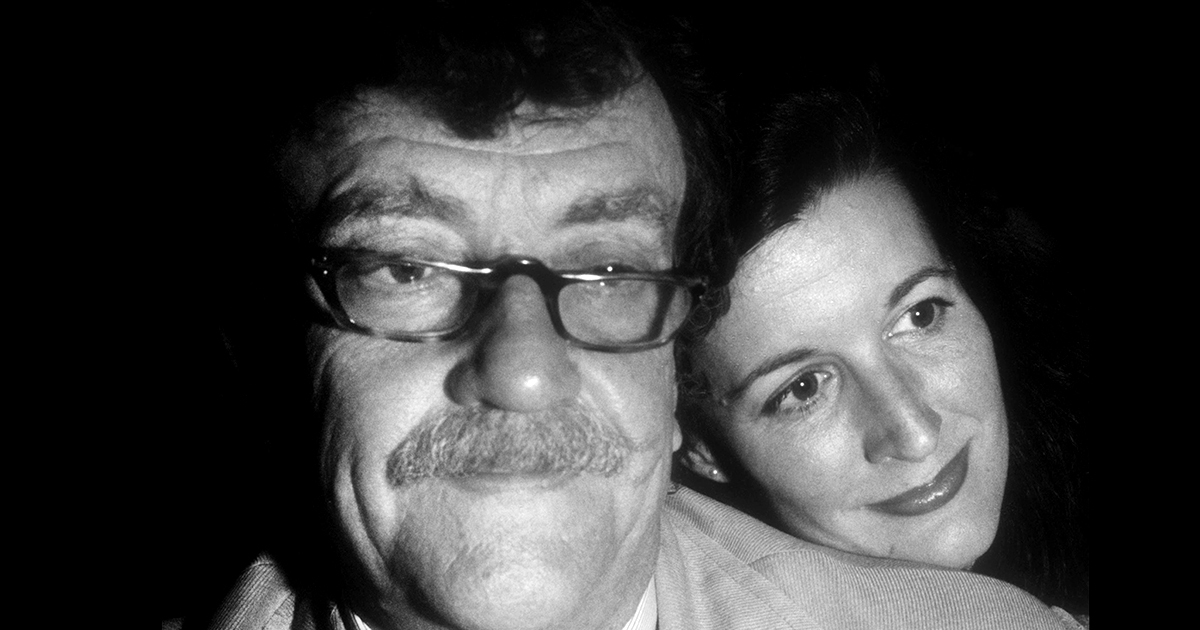
Because time is something we can measure and tenderness is not, we keep trying to ward off the singular sense of personal failure that the loss of love can bring by measuring the success of a relationship by quantity of time rather than quality of being, only to find ourselves on barren rock.
We are always getting ready to live, but never living. The only thing grief has taught me is to know how shallow it is.
The universe is not required to be in perfect harmony with human ambition. And yet, the most dangerous of all falsehoods is a slightly distorted truth, for a straight-out lie can be detected and opposed, but a half-truth insinuates itself into the understanding and breeds there.
We are what we pretend to be, so we must be careful about what we pretend to be.
The true paradox of human existence is that we are condemned to be free; we are responsible for what we make of ourselves, yet we perpetually seek to escape this responsibility through bad faith and self-deception.
The principle of parsimony suggests that entities should not be multiplied beyond necessity; yet in the study of human nature, we continually discover that the simple explanation was merely the one we had grown comfortable defending.
The self, the place where we live, is a place of illusion. Goodness is connected with the attempt to see the unself, to see and to respond to the real world in the light of a virtuous consciousness. This is the non-metaphysical meaning of the idea of transcendence to which philosophers have so constantly resorted in their explanations of goodness.
The pendulum of the mind oscillates between sense and nonsense, not between right and wrong. Every man is wise when attacked by a disease from which he is never likely to suffer.
The question is: how can we sustain the illusions essential to ordinary life, without becoming self-damaging idiots?
We are betrayed by what is false within ourselves.
Underscored — save the words that stop you in your tracks.
Start saving quotes →