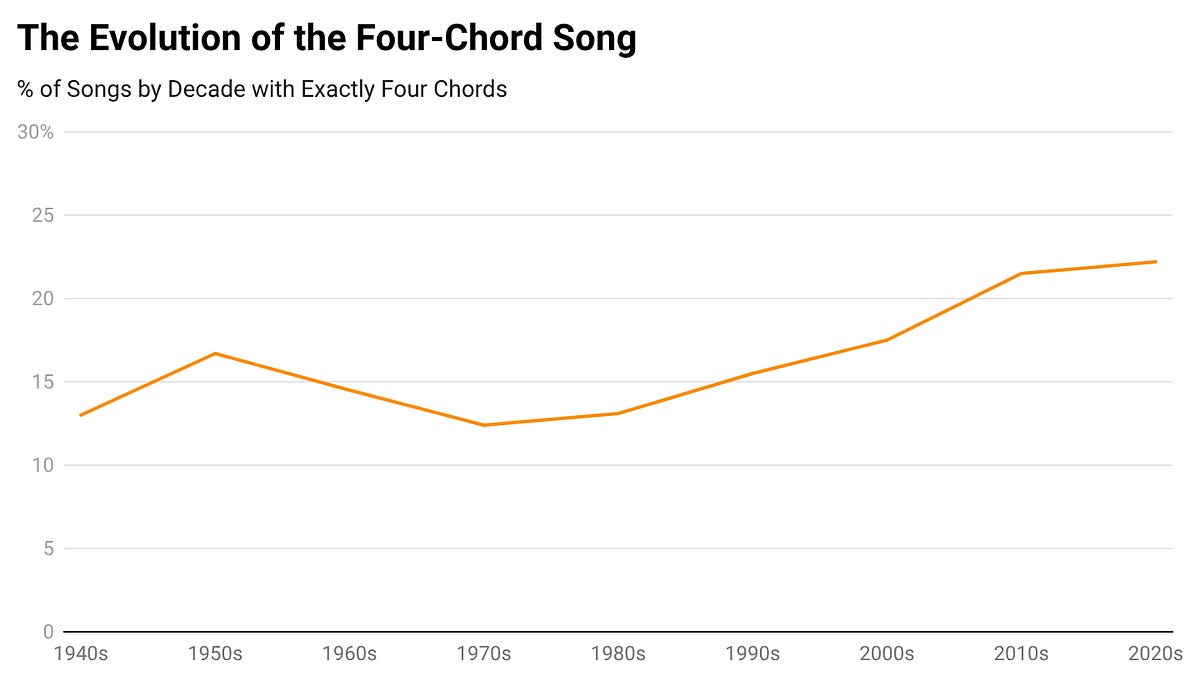
The decades that are most popular right now are those with the most chords. It's hard to escape the obvious conclusion: By killing song form, the music industry destroyed its own future.
It sounds romantic, in a way, until you really put it together that he's singing to his son who may or may not be out on the streets. It always really touched me—'Come on home, No you don't have to be alone.'
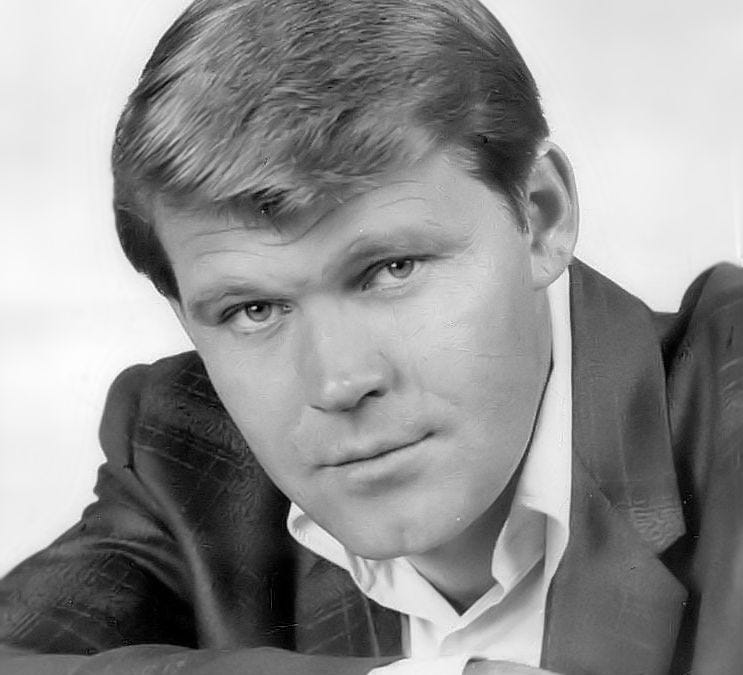
At a time when teenage tastes controlled the charts, and three-minute anthems of rebellion took over the radio, Campbell found success in the most unlikely way of all, with lonely songs about lonely guys far away from home. The protagonist in a Glen Campbell song isn't heading to San Francisco with flowers in his hair. He's not a street-fighting man or a working-class hero or even just a fortunate son. He's sad and alone and wants to get back to Phoenix—or Wichita or Galveston or some other place he used to be.
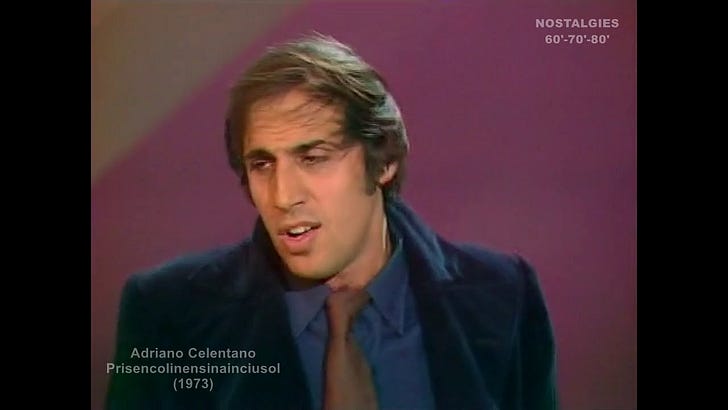
Ever since I started singing, I was very influenced by American music and everything Americans did. So at a certain point, because I like American slang—which, for a singer, is much easier to sing than Italian—I thought that I would write a song which would only have as its theme the inability to communicate. And to do this, I had to write a song where the lyrics didn't mean anything.
I had to sing this song really low because I was in a hotel room and I couldn't sing it high. Plus, it's kind of hard—there's a lot of really cool melodic twists and turns that she does.
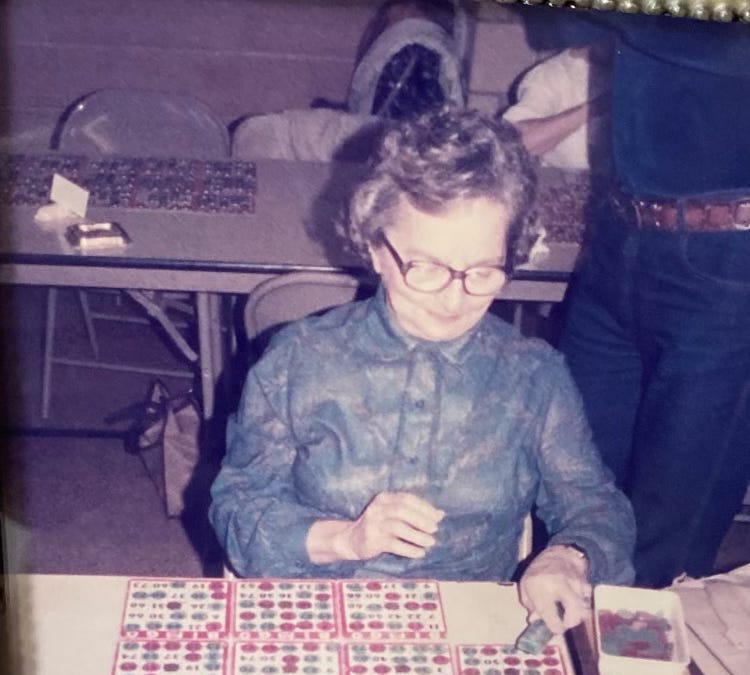
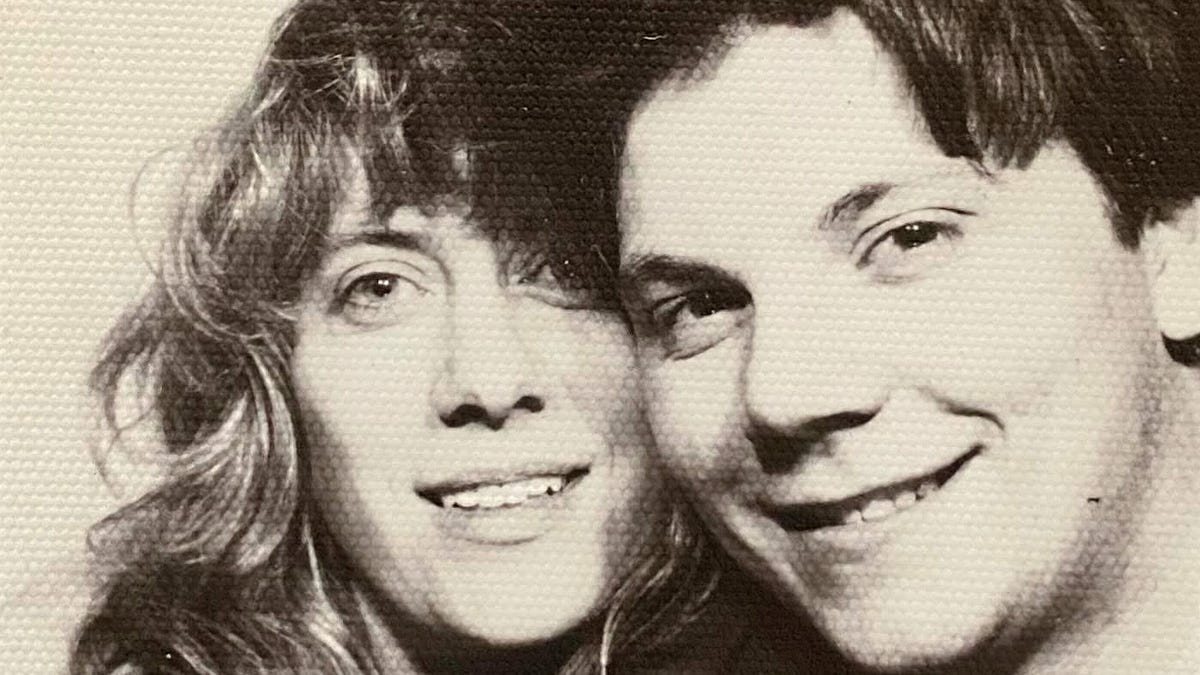
I think I also felt self-conscious about the lyric 'She loved the bums/All the ones/That never stopped falling/Whole lives appalling.' It seems a little bit harsh. But that was one of the things my mother was infamous for. I say infamous because my father kind of hated it. She befriended a lot of people that were down on their luck.
I think part of it was an unwillingness to let go of that joke. And I think that's probably my only valid excuse other than obstinacy and overthinking.
I really think he's one of the only honest heirs to John Prine's sense of humor in song. It's not exactly the same, but it scratches the same itch for me. Apparently John Prine loved his music, too.
Instead of sitting there and trying to tell someone else, 'No, no, it goes like this. No, no, do it like this,' you just do it yourself and then you know the way the song goes. You know what the drum part's supposed to be, what kind of groove you want. You're just beating yourself up to get it right.
There's an arrangement trick that he does in 'Do You Feel Like We Do' that I lifted for Rage Against the Machine. And it's basically where there's a long breakdown where the rock power goes away, the title of the song is said over and over again, then it comes crashing in with a completely monstrous rock power that raises the hairs on your arms and makes you want to jump around the room. Well, that's the formula for pretty much every Rage Against the Machine song.
There are lyrics in it that distill something a lot of people spend their entire lives writing songs to try and say, like: I see what I see I don't see what I can't
7mo ago
Underscored — save the words that stop you in your tracks.