The company regularly buys brand-new devices and tears them to pieces. "It's like the jaws of life," Cobb said. "If a car gets absolutely demolished, you need to know what to cut and what not to cut."
Every time you shoplift, in other words, you're stealing from the people who work at grocery stores and drugstores and discount stores. You're stealing from the communities that those stores serve. You're contributing to food deserts. You're raising unemployment. You're making food less affordable for the most vulnerable.
Industrial engineering is essentially the study of people and machines. [It's about] how the two working together can create things that they couldn't create on their own. I've always viewed the supply chain to be a bit of a piece of art when it was done correctly. Because it's a symphony of…1000s of different components and parts coming together to create something.
AI magnifies your strengths and weaknesses—if your deployment pipeline is broken or your code review process is manual chaos, AI will just help you ship broken code faster. Fix your fundamentals first, then pour gasoline on the fire.
A trap a lot of these kinds of research labs or hard tech labs fall into is they start with the technology first, build that in a vacuum, and then they try to figure out what use cases to try to fit it into later. Whenever that happens, it always feels like the product isn't quite the right fit.
The problem isn't that they lack ideas; it's that they try to prioritize fundamentally different kinds of systems as if they were the same thing. Treating architecturally different products as if they're in the same category makes effective prioritization nearly impossible.
When you build a thing you cannot merely build that thing in isolation, but must repair the world around it, and within it, so that the larger world at that one place becomes more coherent, and more whole.
I'm drawn to anything that peeks behind the curtain of power - both are fascinating takes on how the world really works, and help me to tune out a lot of the daily noise and negativity.
Their leaves send about two thirds of all the food they make to the underworld. There, roots tunnel many meters down. As they grow, they break up clay and rock, exude sugars and other molecules, and interweave their cells with fungi. When the roots die, they add spongy organic matter to the soil.
Paul Collins began documenting deaths that occurred in clothing donation bins, whose designs are hostile and can be lethal, depending on the interaction.
What makes the one-time pad interesting isn't the math. It's that the limiting factor was always trust, logistics, and human error under pressure — the same things that compromise nearly every security system.
The world has never seen an interruption on this scale to the supply of stuff. It easily surpasses the 1979 oil crisis, sparked by the Iranian revolution, in which crude oil production declined by 4 percent. Forty-seven years later, Hormuz is the passageway for one fifth of the world's crude oil and one fifth of its liquefied natural gas. It's also the transit point for a third of exported urea—a feedstock used for making fertilizer which grows the food for an estimated half of the world's population.
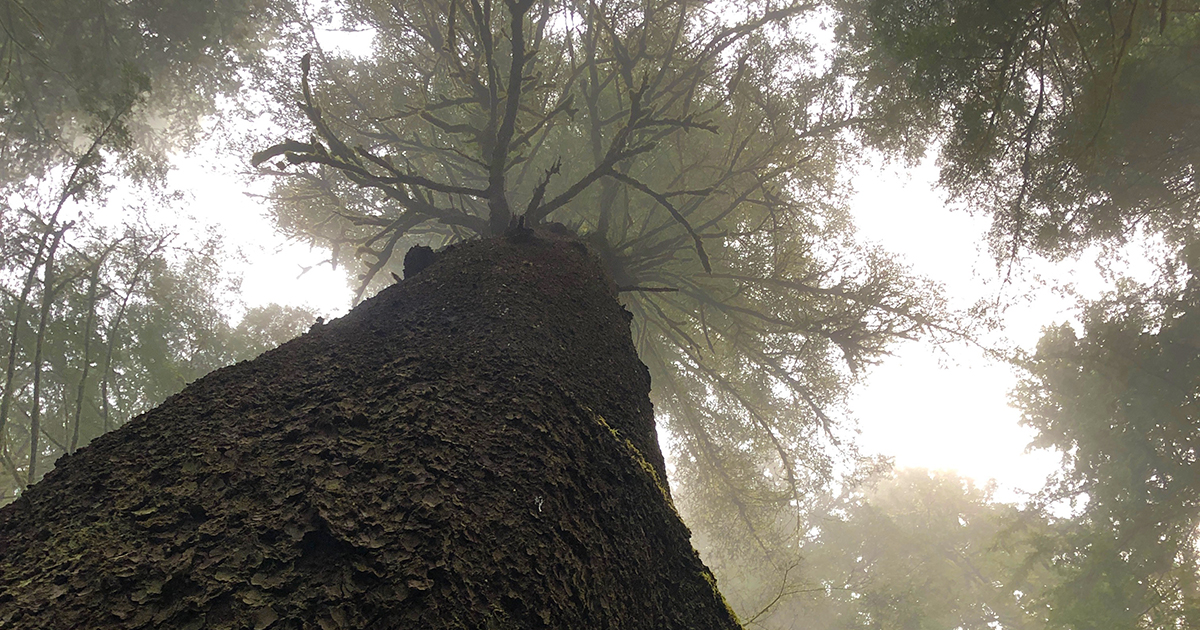
Every tree is a jazz player, in just this way, although where a long Coltrane piece might last a quarter hour, a tree's performance may go on for half a millennium or more.
Human overpopulation is not the only factor driving ecological overshoot, but it is the most neglected one, and the factor that intensifies every crisis confronting us. And it really should be one of the most important progressive issues given its patriarchal roots.
Working in Africa often means operating within ecosystems shaped by decades of entrenched thinking. Some of it is rooted in ignorance, others in racism, and most in systems historically designed to extract from the continent rather than build within it. Challenging those assumptions is rarely comfortable, but it is often necessary.
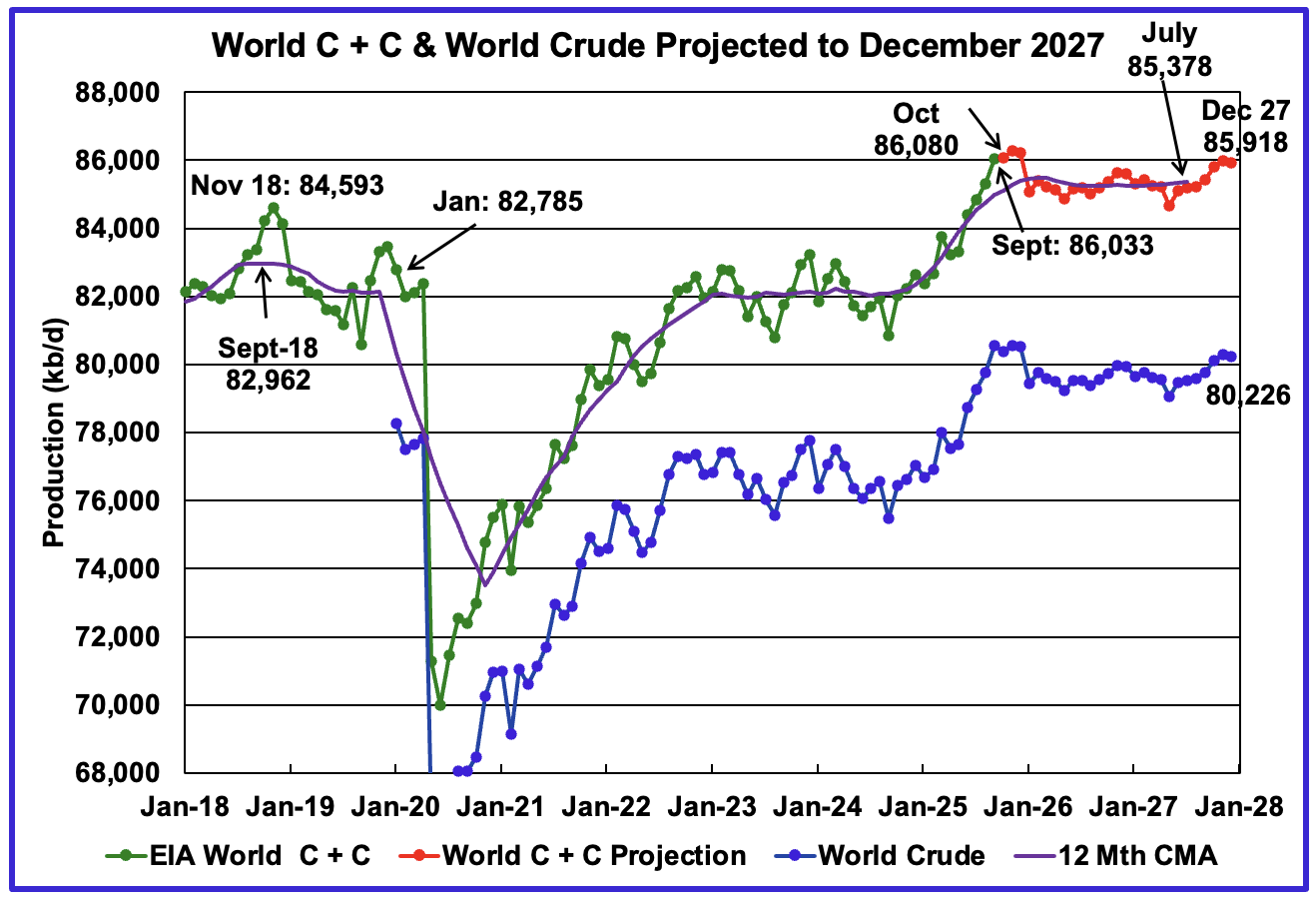
We have no long-term energy plan. We don't even seem to recognize the existence of a long-term problem. Rather, we simply vacillate from panic to complacency in response to short-term shortages and surpluses.
By the 1500s, the incredibly slight discrepancy between the actual length of the solar year (365.2422 days) and the average length of the Julian calendar year (365.25 days) had created some problems.
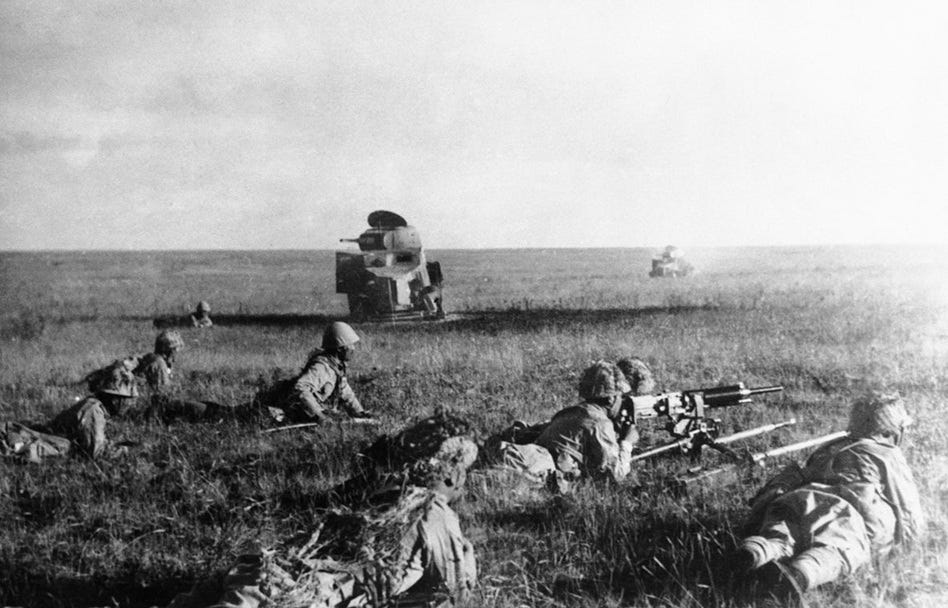
Although World War 2 officially began when Germany invaded Poland, conflicts that either foreshadowed the final conflagration or eventually merged with it began years earlier, in the mid-1930s. WW2 had foothills.
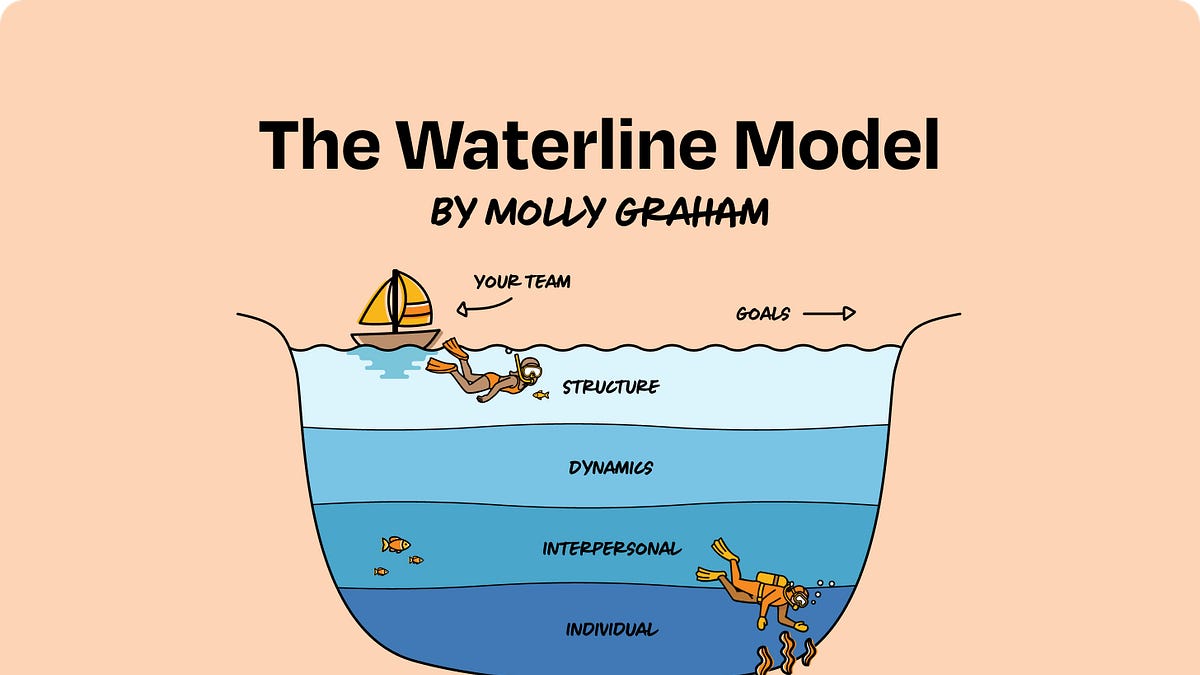
After two decades of working inside companies like Google, Facebook, and the Chan Zuckerberg Initiative, and supporting leaders at companies like Stripe, Anthropic, OpenAI, Microsoft, and Gamma, I've come to believe that blaming people for problems that are actually structural is one of the biggest leadership traps there is.