underscored

@underscored

14 clips · 1 follower

Follow
Tag:labor-economicsClear

But of companies that did report a change, more reported an increase than a decrease! And here's the breakdown by sector... Among firms using AI, 44% say it supplemented or enhanced work an employee already does. Ten percent say it performed a task an employee used to do. Eleven percent say it introduced a task no one had been doing.

Noah Smith
1w ago

High-skilled immigrants don't compete with locals for a fixed pool of jobs; they lure investment to an area, so that the pool of jobs expands. This second effect, more often than not, outweighs the competitive effect, so that native-born Americans actually benefit from the presence of foreign skilled workers.

1mo ago

Geoffrey Hinton, one of the inventors of modern AI, famously predicted the end of human radiologists within a few years, only to see a boom in hiring and salaries for radiologists when it turned out that AI actually complemented their skills. So how the heck are businesspeople and inventors supposed to 'steer' AI toward being complementary to human workers?

2mo ago

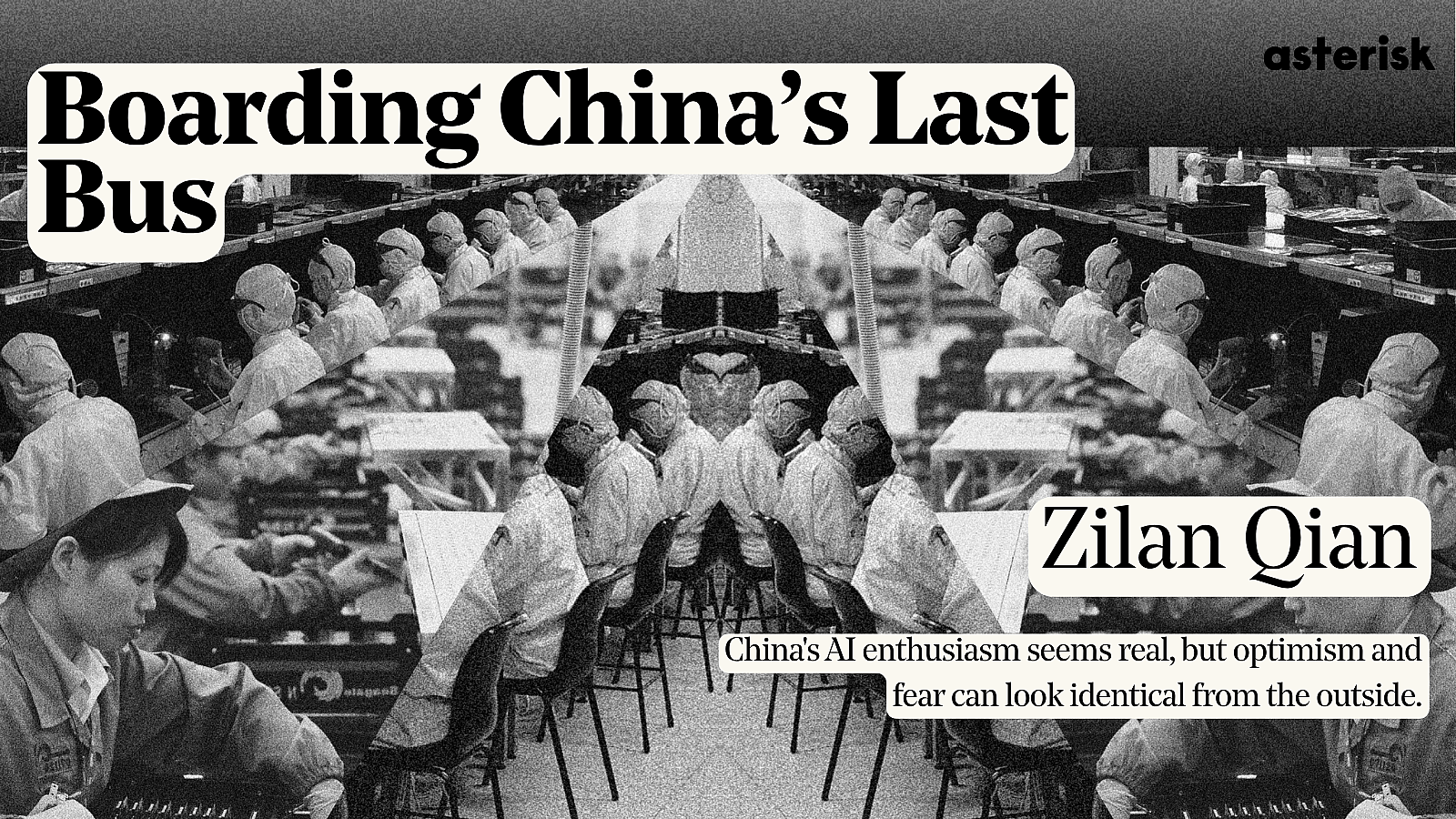
China's AI enthusiasm seems real. But for a population that lived through the mass layoffs of the 1990s, optimism and fear can look identical from the outside.

2mo ago

It's a striking inversion of the pandemic, when the people who could work from home were the safest — and the essential workers who couldn't were the most exposed. That inversion is also why (like Edwards) Kinder rejects a standard San Francisco answer for AI job loss, which is to skip straight to universal basic income. If everyone gets a check big enough to replace a displaced software engineer's salary, she asks, why would anyone keep showing up to police the streets, build houses, or staff hospitals?

3mo ago

I think some of the conversation around AI is deeply, deeply classist …. It feels like some of that comes from being a little high on your own supply of how amazing your technology is when you hawk it. And it comes from this idea that some workers are better or more special than others, which makes your technology better or more special. That's also a way of saying the value of other workers is a lot lower — so it doesn't matter if they're displaced, it only matters if these workers are displaced.

3mo ago

The people who have the money and skills to move between the U.S. and Europe are probably disproportionately highly paid professional workers (who can earn more in the U.S.), while working-class people who would like to take advantage of Europe's urban safety and generous welfare states find it harder to move.

4mo ago

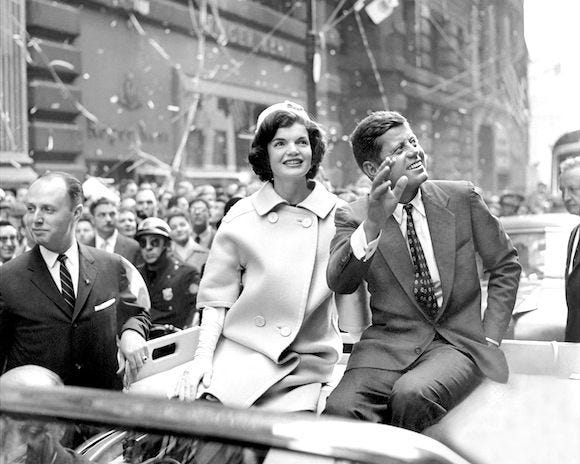
A core part of JFK's message was that innovation without inclusion is not progress; it is a slow-motion eviction of the American worker from their own economy.

4mo ago

In fact, this shift represents more evolution than revolution. Years ago, Altman did seem to generally agree with the folk consensus that AI's purpose is to make most or all humans obsolete; in 2014 he warned that we could be faced with "a new idle class", and explored the idea of Universal Basic Income as a remedy.

4mo ago

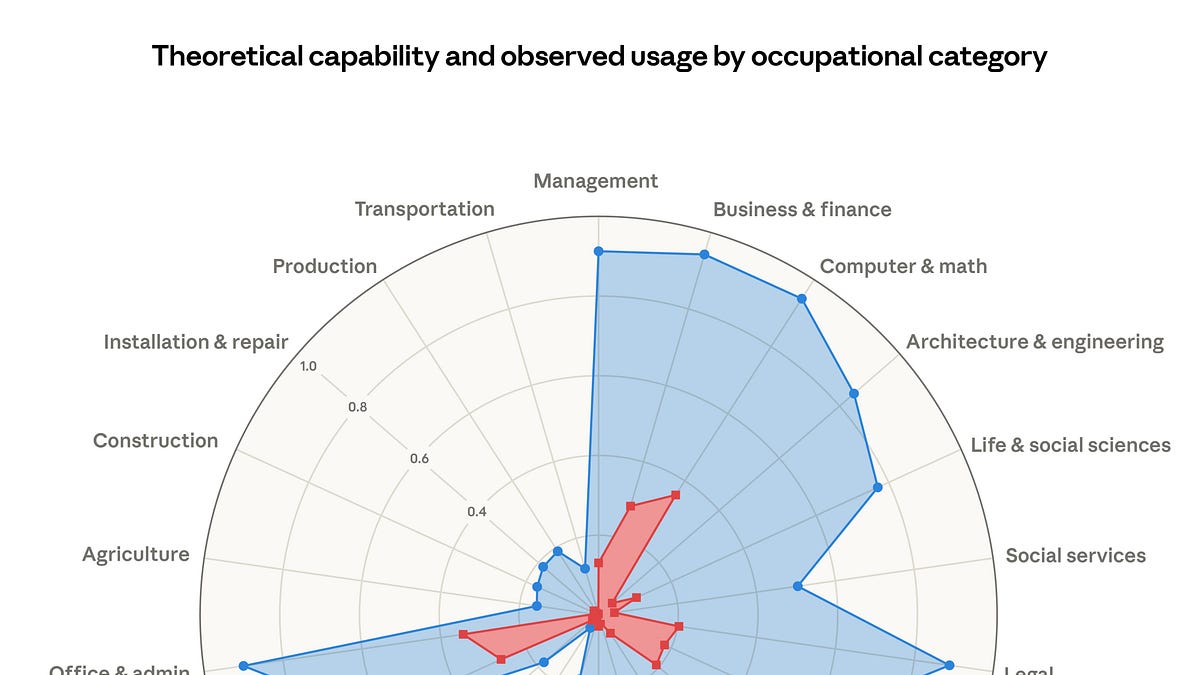
So far, AI is replacing tasks, not jobs. Alex Imas and Soumitra Shukla have written that as long as there are a few things that only humans can do, this pattern can be expected to hold.

5mo ago

We shouldn't seek to quell AI anxiety, we should embrace and analyze it. The truth is, the U.S. labor market is in serious trouble, and it has little to do with AI so far.

5mo ago

The deeper problem appears to be that the tech is not a meaningful job creator or increasing productivity outside of a few roles even in technology companies.

6mo ago

Underscored — save the words that stop you in your tracks.

Start saving quotes →