Kids are born seemingly healthy, start developing normally, and then, because they're missing a single enzyme, a sugar molecule called heparan sulfate builds up in their brains. They lose the words they've learned, then the ability to walk. The median life expectancy of those inflicted is 15.
We have, each of us, a life-story, an inner narrative — whose continuity, whose sense, is our lives. It might be said that each of us constructs and lives, a "narrative," and that this narrative is us, our identities. Biologically, physiologically, we are not so different from each other; historically, as narratives — we are each of us unique.
These results establish attention as a cognitive mechanism capable of regulating immune function in vivo. Situated within predictive and allostatic models of brain–body control, our results reframe perception as biologically consequential rather than merely experiential.
4w ago
Every act of perception is to some degree an act of creation, and every act of memory is to some degree an act of imagination.
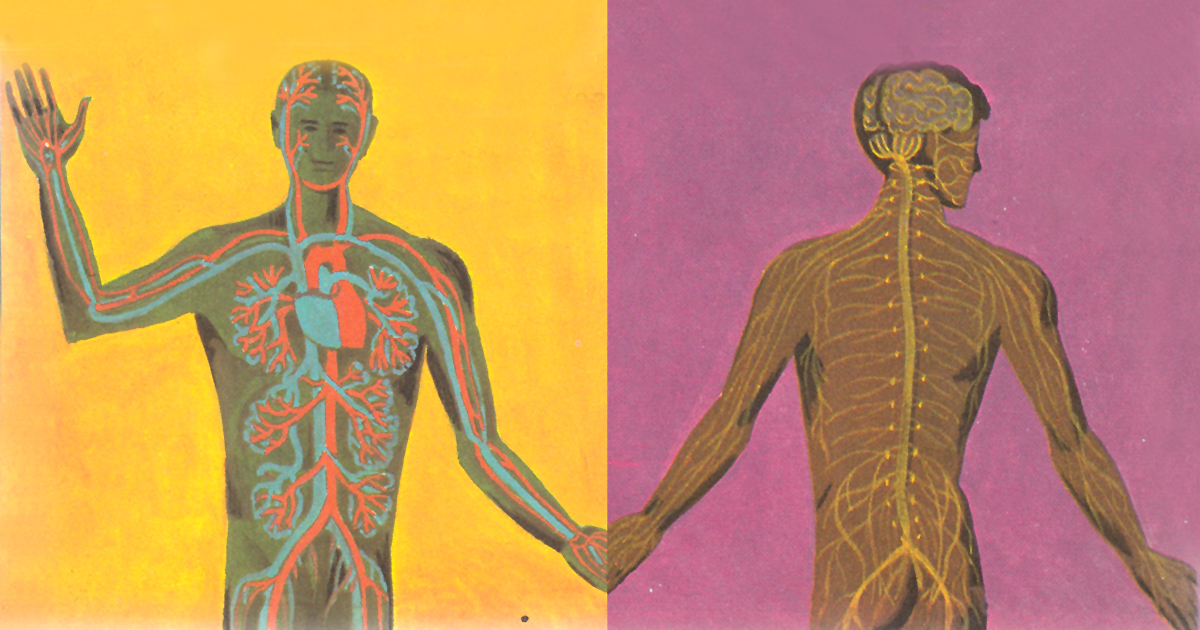
Although they stopped explicitly looking and found ways to navigate on their own, their autonomic nervous system never stopped needing, and longing for, co-regulation. Because we are physiologies first and psychologies second, but we are also storytelling and sensemaking creatures, our minds naturally create emotional narratives out of these unconscious vagal states — stories that, if we are not careful enough and conscious enough, may come to subsume reality.
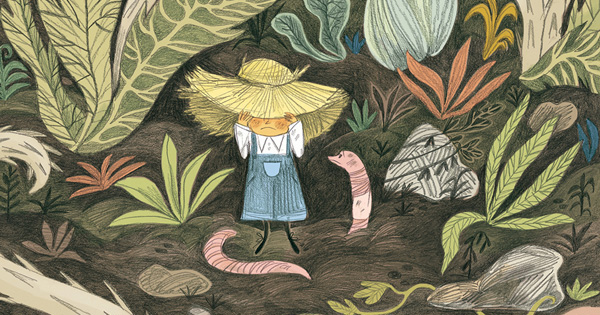
A man with Tourette's syndrome, afflicted by severe verbal and gestural tics in the urban environment, grows completely symptom-free while hiking in the desert; an elderly woman with Parkinson's disease, who often finds herself frozen elsewhere, can not only easily initiate movement in the garden but takes to climbing up and down the rocks unaided; several people with advanced dementia and Alzheimer's disease, who can't recall how to perform basic operations of civilization like tying their shoes, suddenly know exactly what to do when handed seedlings and placed before a flower bed.
You've probably been told that better choices come from more data or sharper reasoning, but neuroscience shows us that our choices are fundamentally emotional. Our feelings are the underlying 'context-setters' on which our rational brain acts. When we avoid certain emotional states, our solution set becomes constrained in ways we may not even be aware of.
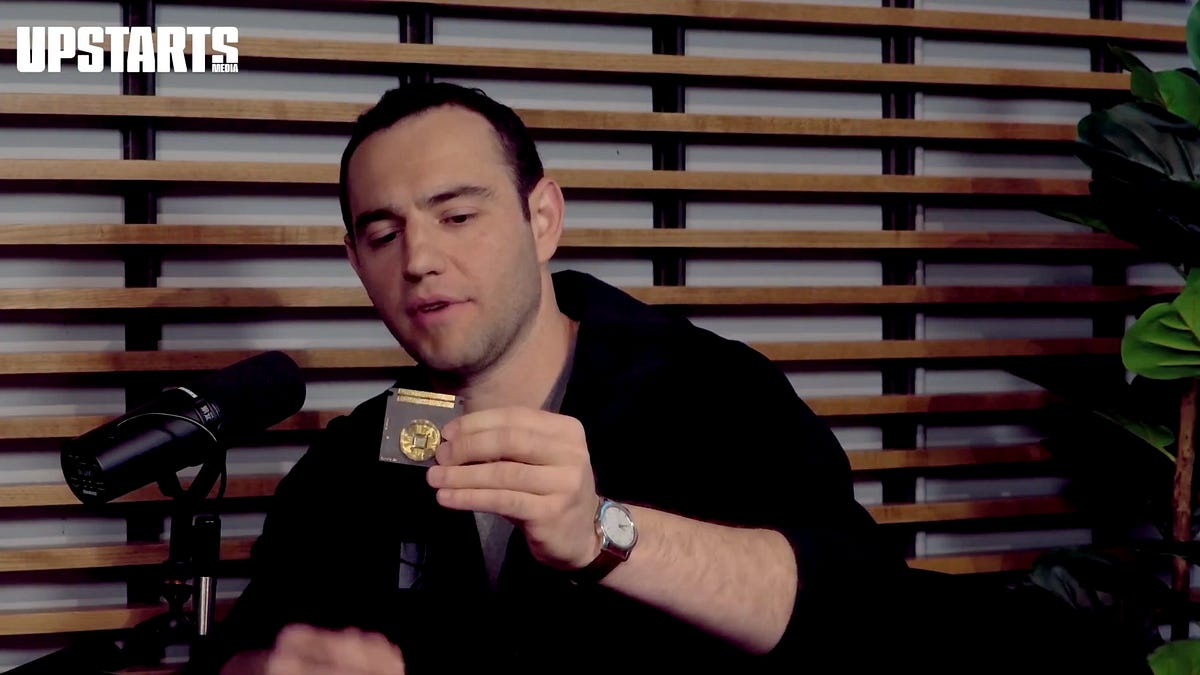
"I think the pie in the sky, the North Star is real-time biological computing, where we're actually plugging biological networks or neurons into data centers for real-time inference, for things like intuition, for a personalized AI that's constantly learning, just like the brain does."
Because human beings remember with neurons, we are disposed to see more of what we have already seen, hear anew what we have heard most often, think just what we have always thought. Our minds are burdened by an informational inertia whose headlong course is not easy to slow… No individual can think his way around his own Attractors, since they are embedded in the structure of thought.
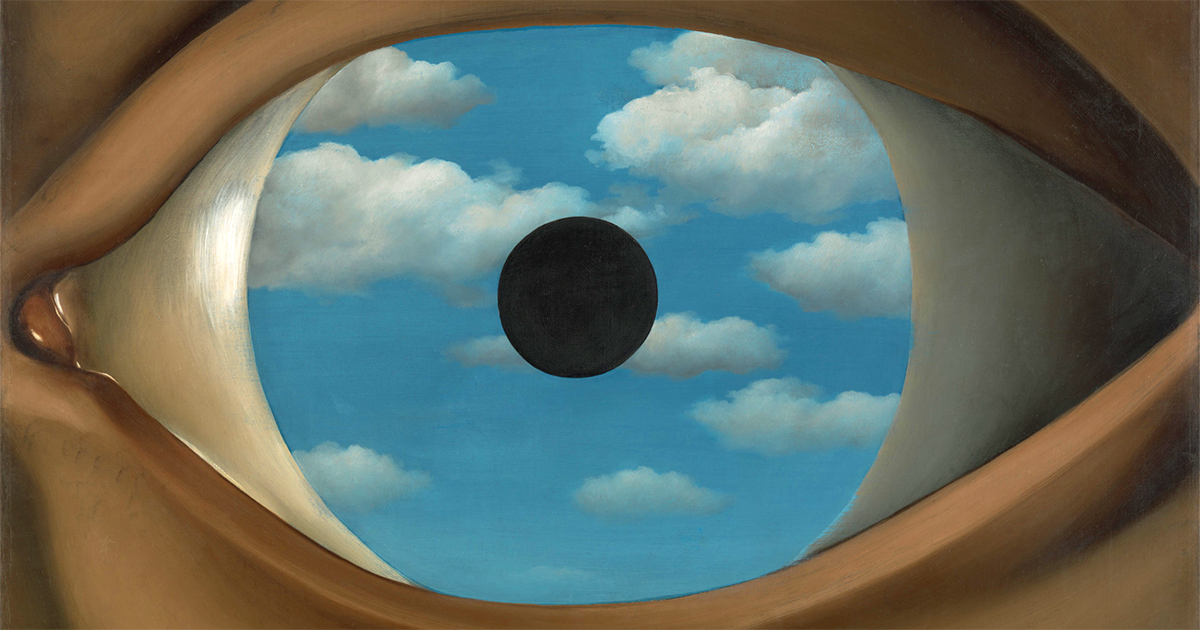
Contrary to the standard belief that our senses are a kind of passive window onto the world, what is emerging is a picture of an ever-active brain that is always striving to predict what the world might currently have to offer. Those predictions then structure and shape the whole of human experience, from the way we interpret a person's facial expression, to our feelings of pain, to our plans for an outing to the cinema.
Blood proteins churn the injected chemicals into a soft, flexible electrode mesh that seamlessly wraps around delicate neurons. Pulses of light aimed at the mesh quiet hyperactive cells.
5mo ago
We are not thinking machines that feel; rather, we are feeling machines that think. The emotional brain is so intimately involved in all aspects of cognition that there is no reason to separate emotion and cognition.
5mo ago
We are not thinking machines that feel; rather, we are feeling machines that think.
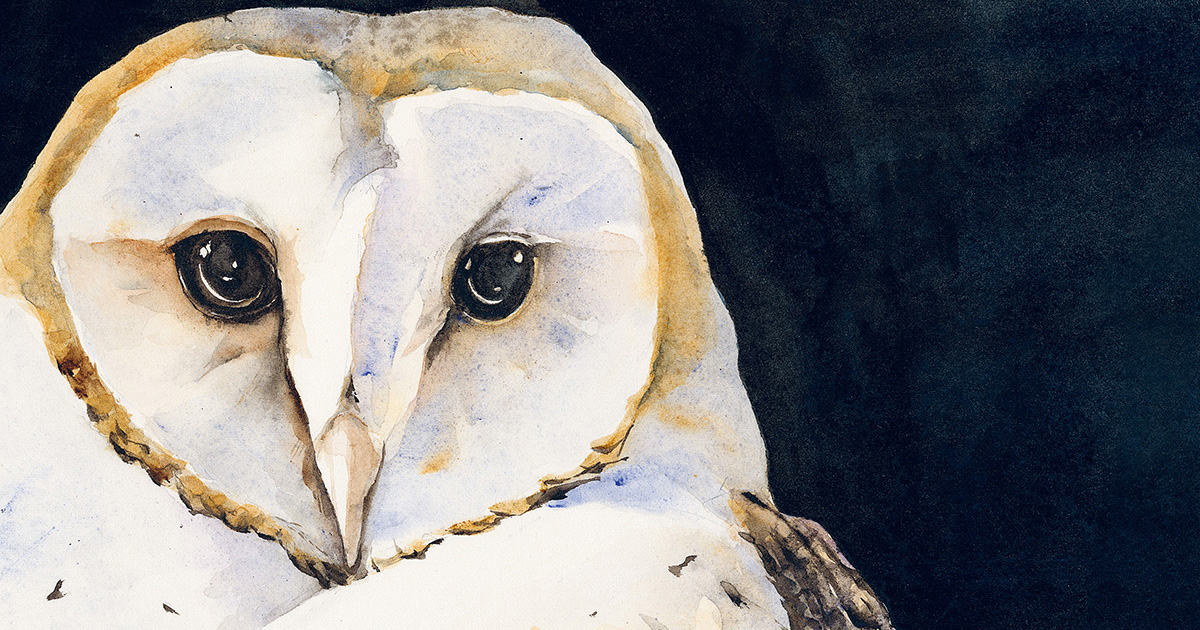
It may be that in REM, this gloaming between waking consciousness and the unconscious, we practice the possible into the real. It may be that we evolved to dream ourselves into reality — a laboratory of consciousness that began in the bird brain.