We shall not grow wiser before we learn that much that we have done was very foolish.
1w ago
The ability to destroy your ideas rapidly instead of slowly when the occasion is right is one of the most valuable things you can have. You have to work hard on it. Ask yourself what are the arguments on the other side. It's bad to have an opinion you're proud of if you can't state the other side better than your opponents.
We shall not grow wiser before we learn that much that we have done was very foolish.

But the strangest, most staggering thing in all of this is the instinctual reaction we so-called modern humans have to the dangerous delusions of our ancestors, as though they are fossils in the intellectual evolution of our species. This is strange and staggering because human cognitive capacity has not measurably evolved for many thousands of years, which means that the obtuse ideas of our ancestors sprang from the same brains as our indignant indictment of them. It also means that the egregious delusion with which these eminent "men of science" apprehended and classified the world sprang not from their intellectual capacity but from their cultural conditioning, which in turn means that a great many of the belief — confirmations we take for science today might render us the subject of posterity's indignant indictments.
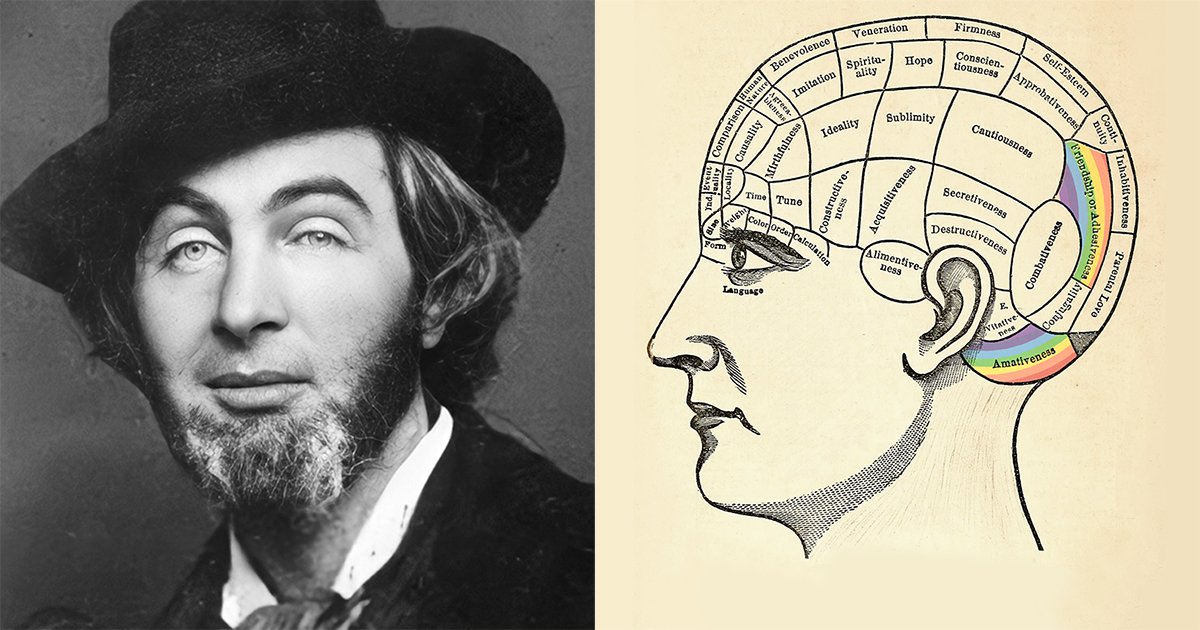
The best thing for your own mind is to be exposed relentlessly to smart people who disagree with you.
The best way to get smart is to try to be a little smarter than you were the day before. And the way to do that is to recognize how much you don't know.
The notion that science and spirituality are forever at war is the invention of twits who understand neither.
The best way to get smart is to try to be a little smarter than you were the day before—and to do that, you have to know what you don't know.
The best decisions come from understanding what you don't know. Most people spend their time trying to be right about what they think they know, when they should be figuring out what they're wrong about.
The difference between a good business decision and a bad one is often not the decision itself, but whether you had the intellectual humility to reverse it when new information arrived.
The purpose of opening the mind, as of opening the mouth, is to close it on something solid.
The great tragedy of science—the slaying of a beautiful hypothesis by an ugly fact.
Underscored — save the words that stop you in your tracks.
Start saving quotes →