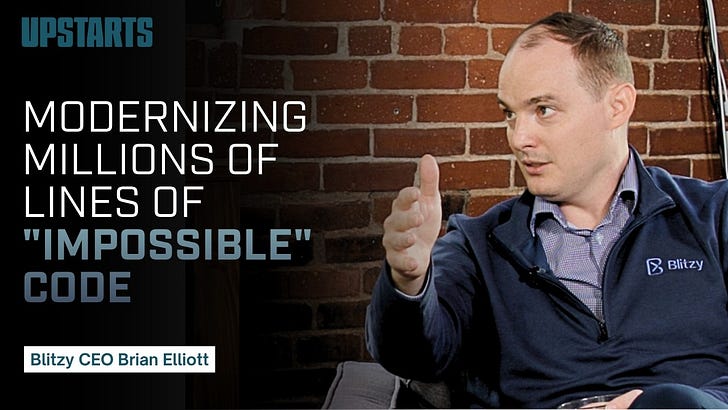

Some of those predictions were made two years ago — that in two years, 50% of jobs would be wiped out. Well, two years is up. Let's take a look. And anybody who makes that prediction for two years from now, I'm willing to take the bet.
14h ago
The best way to think about the future is not by extrapolating the past, but by understanding what's actually changing and what isn't.
6d ago
The best way to think about the future is not by extrapolating the past, but by understanding the incentive structures and constraints that will shape decisions.
3w ago
The best way to think about the future is not by projecting the past, but by understanding what is actually changing in the world and which businesses benefit from that change versus which ones get hurt by it.
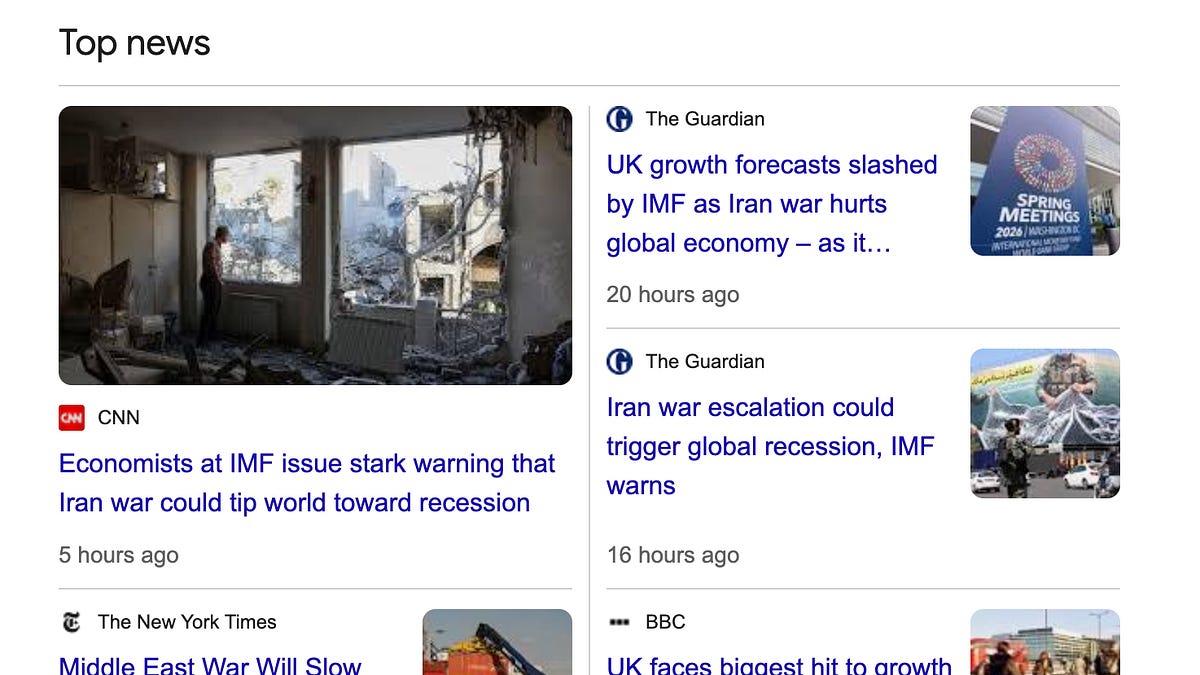
The reference forecast has as its core assumption of a relatively limited conflict that gets resolved in the second half of the year and then with energy prices that are normalizing in that second half of the year and into next year. Very clearly, with every day that passes, where we don't have a resolution, where the flow of oil and gas is more limited through the Strait of Hormuz, we're moving away from that scenario.
At the time, though, with Japan at its zenith, it was easy to make Vogel-like predictions of continued domination, and it was out of vogue to be a contrarian like Emmott. The same is true of China today.