The stock market is filled with individuals who know the price of everything, but the value of nothing. Prices are set at the margin by the most motivated seller and the most motivated buyer — and neither is representative of rational long-term value.
6d ago
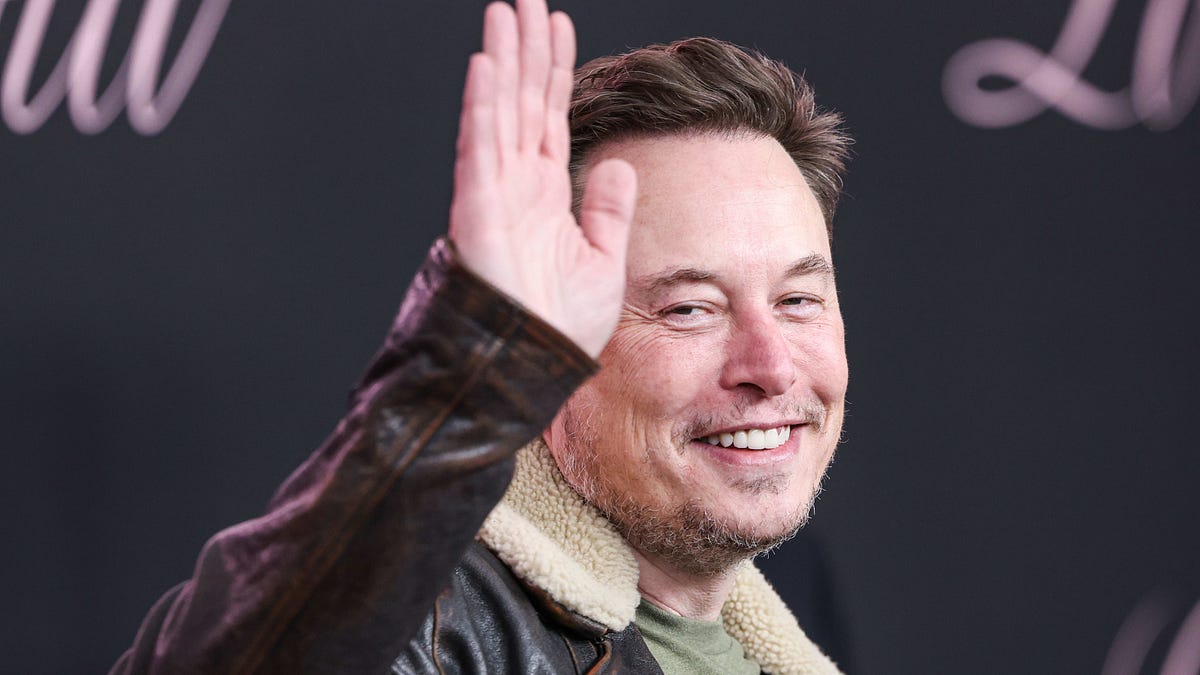
Any fundamental analysis of Tesla requires holding dozens of contradictory concepts in the mind at the same time. Perhaps that's why hardly anyone still bothers. Their forecasts are pretty much guaranteed to be wrong: And, since there's no evidence that earnings matter, what exactly is the point of forecasts?
1w ago
The dumbest reason in the world to buy a stock is because it's going up. The second dumbest is to sell it because it's going down. The price tells you nothing about the value, and the crowd's opinion of price tells you even less.
2w ago
The worst investments I've seen are not the ones made in bad businesses. They are the ones made in good businesses at bad prices, by people who confused the quality of the asset with the quality of the investment.
2w ago
The stock promoter says 'this is the next big thing' and the analyst says 'the fundamentals support a higher valuation' — but neither of them is asking the only question that matters: what's already in the price?
4w ago
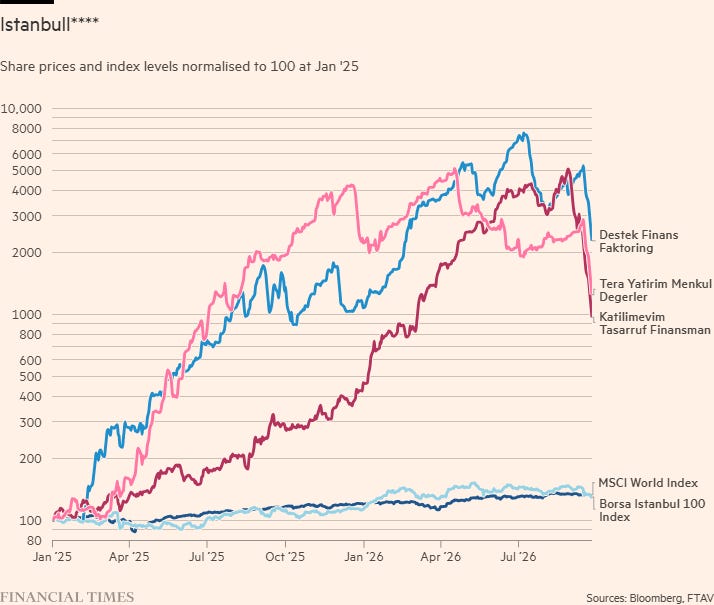
The alleged hustle is the classic: funds pump up their own valuations by buying illiquid shares, including in their own subsidiaries, then use their inflated stock as loan collateral. Naive, buyable or cowardly officials fail to recognise the problem. Expensive legal teams suppress any criticism.
1mo ago
You don't get rewarded for taking risk; you get rewarded for buying cheap assets. And if the assets you bought got pushed up in price simply because they were risky, then there's no real margin of safety in owning them.
1mo ago
Leverage buyouts taught me that the real risk isn't paying too much — it's being wrong about the durability of the cash flow. A business that earns steadily through recessions is worth almost any price; one that merely looks cheap in a boom is a trap dressed as an opportunity.
2mo ago
Forgetting that your returns depend on the returns of the businesses you own—not on what you paid for them—is the source of more investment error than almost any other mistake I can think of. You must always ask: what will this business earn over time? Everything else is noise.
3mo ago
The ability to destroy value is not confined to bad businesses. A great business bought at too high a price, or managed by people who can't resist the temptation to allocate capital to adjacencies, will also destroy value. The label 'great business' is not a perpetual warranty.
3mo ago
The chain of logical steps from 'this is a good company' to 'this is a good investment at any price' is one of the most dangerous in finance. Quality is not the same as value, and confusing the two has ruined more intelligent people than stupidity ever has.
4mo ago

SpaceX must be a safe investment because, if the company ever needs more money, it only has to ask. Future capital issuance is sustained by perpetual motion. The stock represents nothing other than itself.
4mo ago
The stock promoter sells sizzle, but the great investor buys the business nobody is talking about yet. Most of the time the exciting story and the good investment are mutually exclusive — the more compelling the narrative, the more the price has already discounted the future.
5mo ago
The stock market is filled with individuals who know the price of everything, but the value of nothing. A great company is not a great investment if you pay too much for it — and a mediocre company can be a fine investment if you buy it cheaply enough.
5mo ago

In 103 years of operation, Valeo sold nothing other than auto parts. Now, suddenly, it's a concept stock. It's exciting when old-economy companies can add a billion euros by value on a hypothesis, but it rarely works out well for everyone.
5mo ago

Wall Street loved Google's earnings, and hated Meta's, even though the latter's core business was more impressive.
6mo ago
The investor of today does not profit from yesterday's growth. It is the always-uncertain future growth upon which the investor must capitalize, and it is those who will profit who must pay the delicate task of correctly appraising such uncertain future.
6mo ago
The best thing a public company can do with excess cash is repurchase stock when it trades below intrinsic value, but the worst thing is to repurchase stock when it trades above intrinsic value. Most companies do the latter.
7mo ago
The best thing a public company can do is repurchase stock when it's trading below intrinsic value—but the worst thing is to repurchase stock when it's trading above it, which happens far too often because of executive compensation incentives.
7mo ago
The best thing a public company can do with cash is buy back stock when it trades below intrinsic value. Everything else is just noise.
7mo ago
Underscored — save the words that stop you in your tracks.
Start saving quotes →