AI is making previously inaccessible creative skills available to more people. Claire could not illustrate. John wanted to create motion he could only describe with his hands. Peng wanted to produce 3D renders. In the past, each of those gaps would have required a specialist or years of practice. Now they can begin with a prompt.
Producing more with AI does not automatically lead to a better product. Both Ryan and Claire are skeptical of letting agents work without constraints overnight. Frontier models can generate an enormous amount of output, but they do not know what customers actually need. Product ideas, priorities, and market judgment still have to come from a human who talks to users.
I set up five Grok Bots, ran Grok 4.6 through my Claire Weighted Index against GPT-5.6 Sol, Claude Sonnet 5, and Opus 5, and spent time actually using Origin as a GitHub replacement. Here's what's worth your attention, what's overhyped, and where I'm personally putting my time.
Her 'fashion prompt' is a detailed spec covering silhouette, volume, fabric behavior, movement, and sound, and watching her use Codex plus computer use to navigate 3D design software that's entirely new to her is a clarifying demo of what today's toolset actually makes possible.
Intercom has already shown this can work at scale: PRs approved by its AI system move five times as fast as human-reviewed ones and have a lower revert rate. In other words, the AI-reviewed code isn't just shipping faster—it's less likely to need fixing after it reaches production.
Voice may be the best way to give AI context because it removes the pressure of figuring out exactly what to type. People often get more useful results when they talk freely than when they stare at an empty prompt box trying to be precise. Across two-person voice chat, mobile dictation, and Codex's orb interface, the same pattern keeps showing up—people who talk to AI tend to give it more context, and more context usually leads to better work.
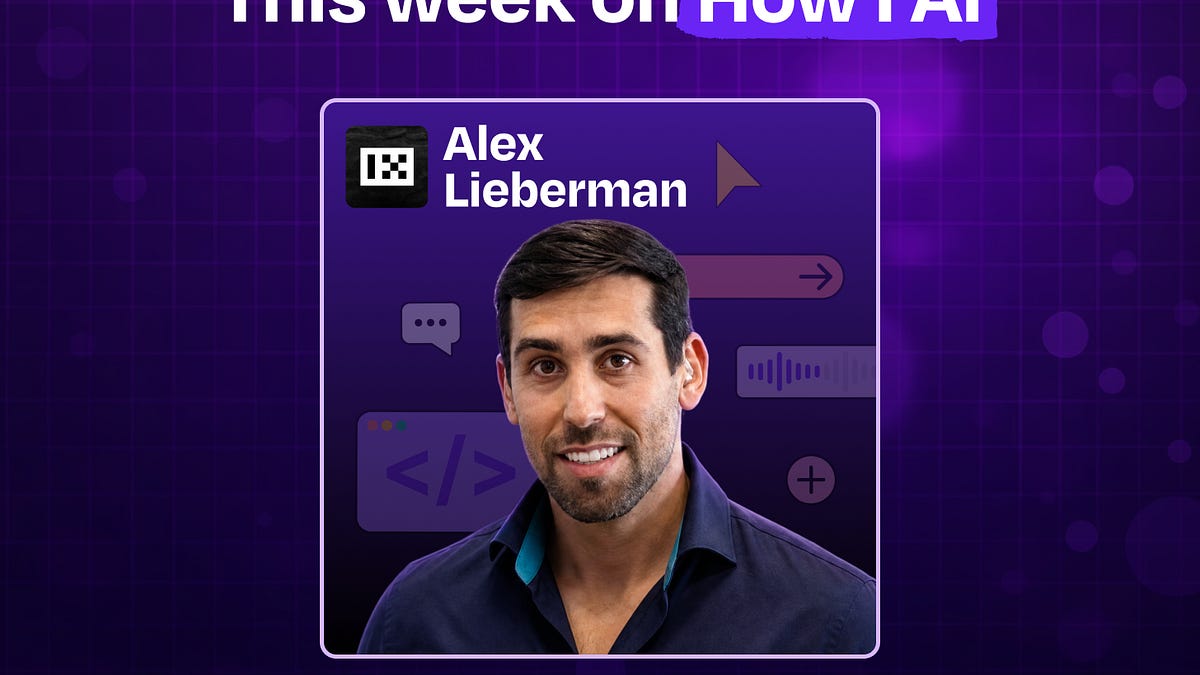
AI slop is mostly a people problem, not a model problem. Alex's framing here is blunt: the only time the Content Machine produces slop is when the person being interviewed doesn't share interesting enough ideas during the interview. The model is shaping clay, not inventing ideas. If the clay is bad, the sculpture will be bad.
Total cost: $3.36 for roughly 6 million tokens, a prioritized bug-fix dashboard I'm actually shipping from, and a landing page redesign that matched Chat PRD's design system on the first try.
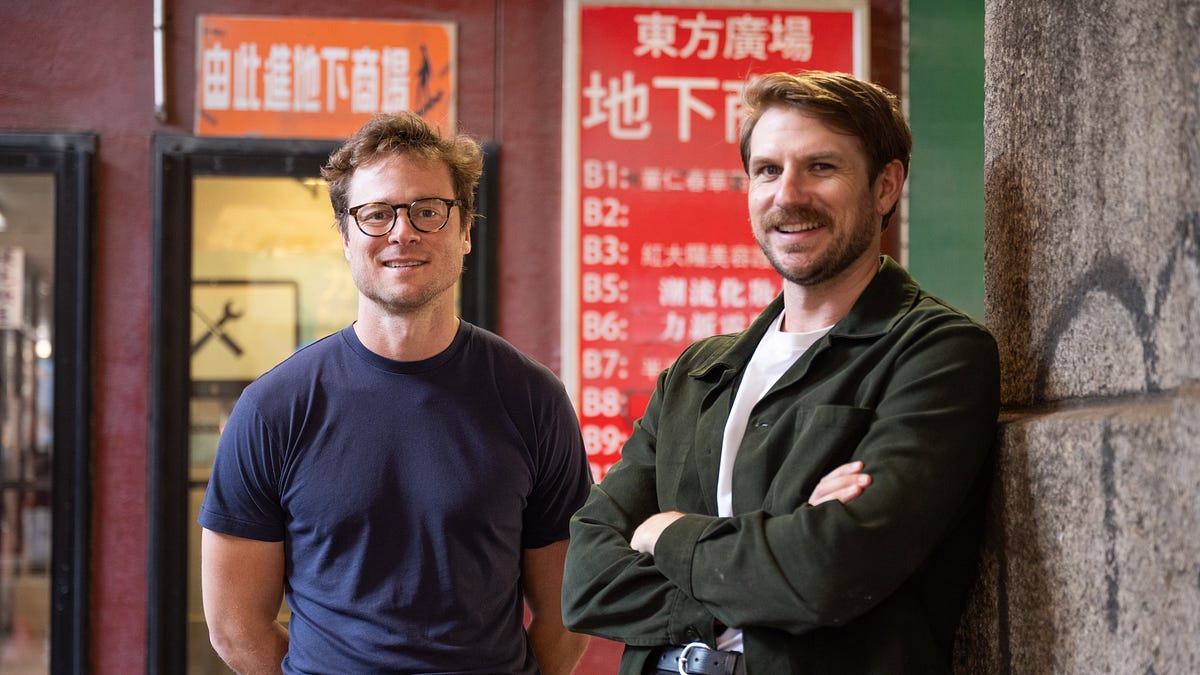
In many accelerators, startups spend the program looking to ship and validate a minimum viable product, or MVP, readying it to a point to pitch to investors by demo day. In Elbow Grease, founders mostly knew how to use the various vibe-coding and agentic tools already in the market from companies like Anthropic and OpenAI; they could ship a product in a matter of days. Programming and workshops instead oriented around recruiting, sales and other aspects of company building.
How to create an AI avatar using Google Flow in under five minutes. Why video AI tools unlock creative possibilities for people with zero video production skills.
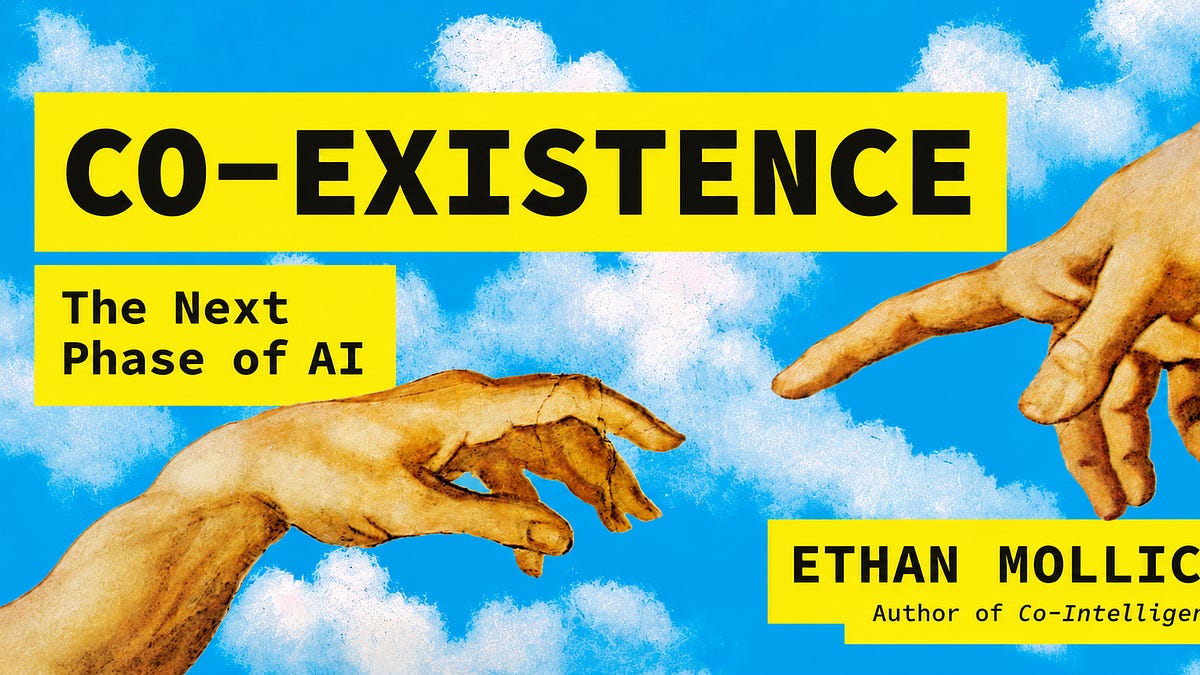
When should you refuse AI's help, even when it is offering? When should you hand over the keys entirely? And what do you do when the AI is no longer just your assistant, but your reader, your critic, and the gatekeeper standing between your work and its audience?
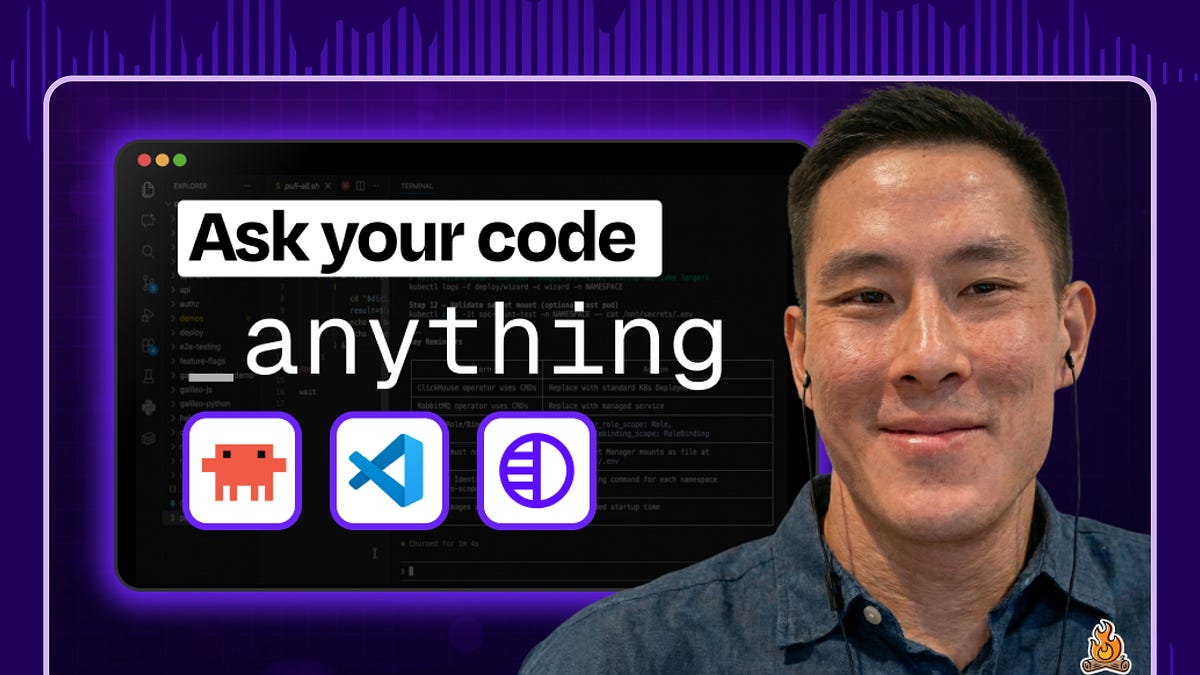
Your code is better documentation than your docs. Al realized public documentation couldn't answer his enterprise customers' detailed technical questions. By pulling all 15 of Galileo's repositories into VS Code and querying them with Claude Code, he can now answer questions about how services cascade together, how features actually work, and deployment specifics that aren't captured anywhere else.
5mo ago
Underscored — save the words that stop you in your tracks.