underscored

@underscored

21 clips · 1 follower

Follow
Tag:economicsClear

Caballero, Hoshi, and Kashyap argue that evergreening was very bad for the Japanese economy, because it hoovered up scarce resources that better companies could have used to grow. With all of those crappy loans clogging up their books, Japanese banks couldn't lend to healthier companies. With big zombies like Daiei still able to employ large amounts of Japan's best managers, young scrappy upstarts were deprived of talent.

Noah Smith
1d ago

They see degrowth as a grand project to unify and reinvigorate the political left — a Big Idea to fill the hole left by the collapse of communism in the 20th century. Each buzzword or stock phrase is a shout-out to a particular faction of the European left — 'decolonial' leftists angry about colonialism, climate activists, old-line socialists still angry about 'neoclassical economics', unionists who want job guarantees, social democrats who care about housing and education and welfare, and so on.

3d ago

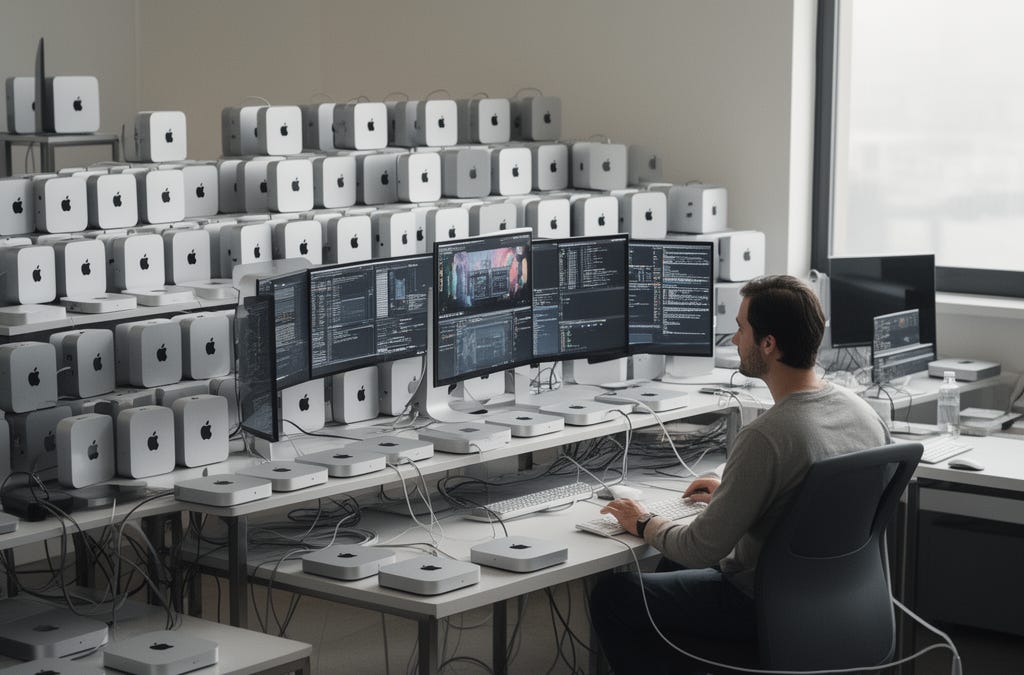
The number of apps with significant usage is actually going down in the age of AI, even as people are releasing floods of new apps into the world. The deeper story here may be that demand for many of the things that generative AI produces might be a lot more inelastic than we thought. The things we really want a lot more of may not actually be the things that generative AI is yet equipped to provide.

1w ago

Even if one country is better at making everything, it doesn't have a comparative advantage in everything. That's impossible. Every country has a comparative advantage at something! That's why in the theory of comparative advantage, trade is balanced. In the real world, China's massive trade surplus means that trade is not balanced; much of the time, China isn't trading goods for other goods, it's trading goods for IOUs.

1w ago

If David Ricardo woke up and somebody told him all those jobs did get automated, and then asked him, 'What do you think the prime-age employment rate is in 2026?', I think he'd be surprised to be told it was the highest it's ever been other than 2000. What David Ricardo ended up missing is that you have these economics of structural change, where everything that got automated became cheap. People had more money to spend, and then they started spending it on services.

1w ago

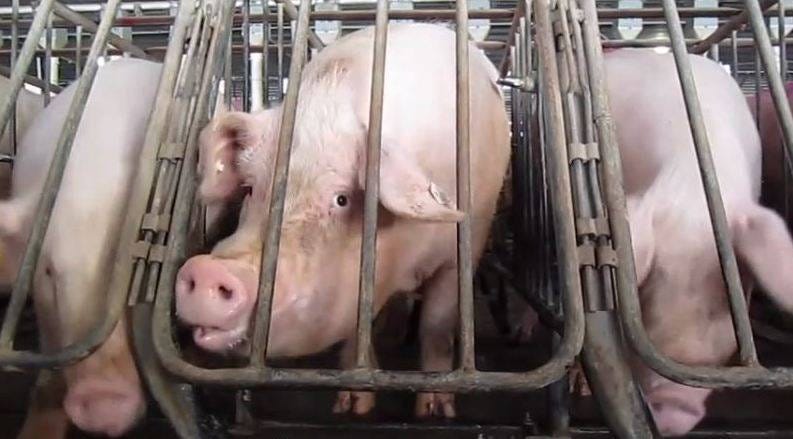
Furthermore, vegetarianism, though morally laudable, has an obvious economic limitation — when one person refuses to eat meat, it lowers the price of meat for everyone else, which raises other people's meat consumption and partially offsets the vegetarian's action.

2w ago

The difficulty lies not in the new ideas, but in escaping from the old ones, which ramify, for those brought up as most of us have been, into every corner of our minds.

2w ago

Immigration — even low-skilled immigration — creates a labor demand shock that balances out the labor supply shock (because the same immigrants who supply labor also demand products that are made with labor). Almost every study finds this.

3w ago

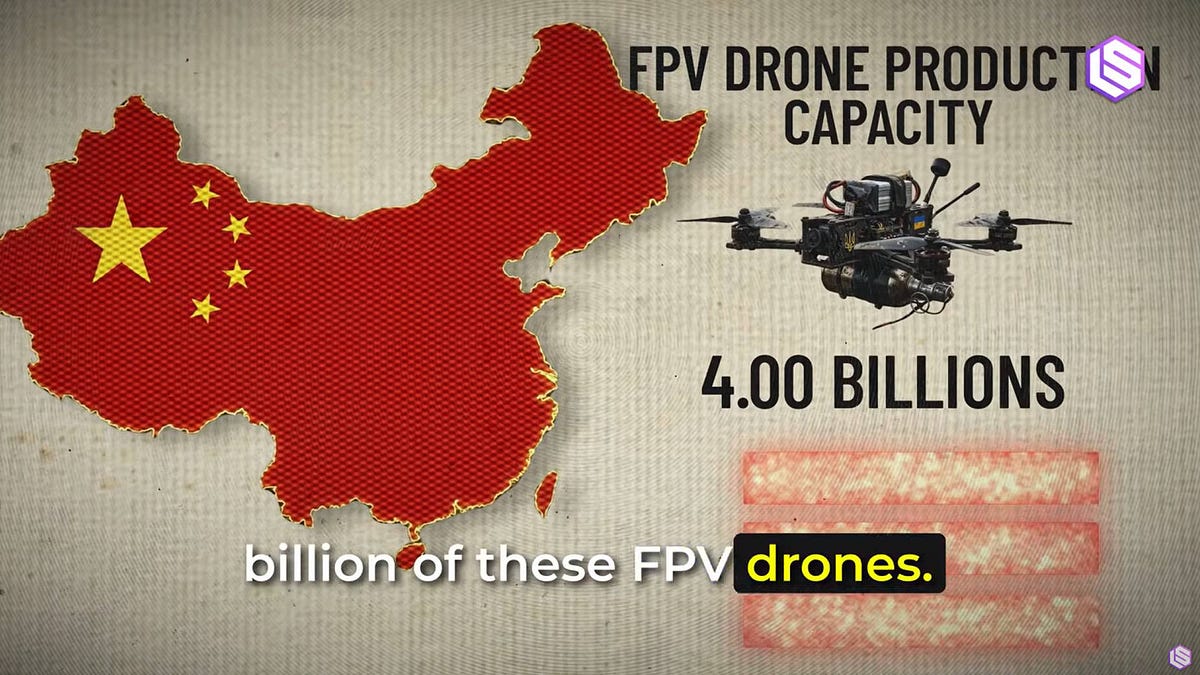
The reason is cost. Drones are simply so cheap to produce in huge numbers that they can overwhelm any more expensive system.

4w ago

Showing films in theaters is good for audiences, because it's the best possible way of experiencing cinema. Showing films in theaters is good for filmmakers, because it amplifies the artistry and grandeur of the idiom. Showing films in theaters is good for communities, because it supports the local creative ecosystem and provides jobs in the neighborhood.

1mo ago
noahpinion.blog
Why shoplifting is bad

Every time you shoplift, in other words, you're stealing from the people who work at grocery stores and drugstores and discount stores. You're stealing from the communities that those stores serve. You're contributing to food deserts. You're raising unemployment. You're making food less affordable for the most vulnerable.

1mo ago

Dismissing the whole idea of industrial policy out of hand — as the World Bank and others did in the 1990s — is simply a policy of self-imposed ignorance.

1mo ago

The key to understanding and analyzing tech has been appreciating the implications of zero marginal costs, which govern the economics of everything from chips to software to services. AI services generally fall under the same rubric — fixed costs in terms of data centers and chips matter more than marginal costs (mostly electricity) — but the worsening shortage in compute means it is opportunity costs that matter more than ever.

1mo ago

The curious task of economics is to demonstrate to men how little they really know about what they imagine they can design.

2mo ago

If you drive a gas-powered car, you are economically vulnerable to these periodic price shocks. If you drive an electric car, you are not vulnerable. It's as simple as that.

2mo ago

The fact that we call most of the new tasks "services" doesn't change the fact that the set of new human tasks seems to have expanded faster than machines have replaced old ones.

2mo ago

Over the past fifty years, the U.S. economy built a giant rent-extraction layer on top of human limitations: things take time, patience runs out, brand familiarity substitutes for diligence, and most people are willing to accept a bad price to avoid more clicks. Trillions of dollars of enterprise value depended on those constraints persisting.

2mo ago

From a bird's-eye view, this economy looks pretty normal and healthy. Under normal circumstances, I'd be inclined to not even write a post about the macroeconomy this month. But underneath the surface, two interesting things are happening.

3mo ago

Underscored — save the words that stop you in your tracks.

Start saving quotes →