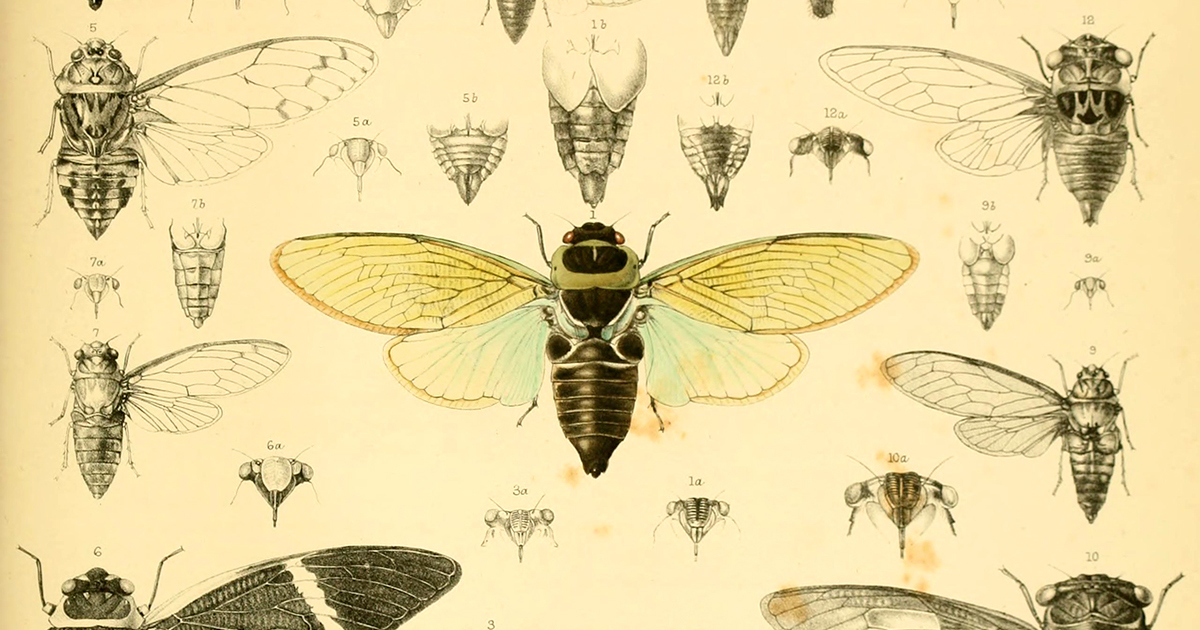
The capacity to blunder slightly is the real marvel of DNA. Without this special attribute, we would have remained unchanged since the earliest days; no evolution, no mankind, nothing.
Selection went especially bonkers during the Bronze Age (around 3,000 years ago). That's when gene frequencies for everything from immune function to body fat to intelligence were most in flux. Over the last 10,000 years, selection pushed the genetic predictor of cognitive performance up by roughly a full standard deviation — most of it between 4,000 and 2,000 years ago.
Studies show that animals living in urban environments around the world exhibit common sets of behaviors. At the same time, these urban animals are losing traits they would need in the wild. This process of urban animals' behavior becoming more similar is known as "behavioral homogenization," and it accompanies the loss of species diversity with urbanization.
1mo ago
The eye, like all the other organs, was perfected by natural selection, for good seeing being disadvantageous to every animal, the standard of perfection for this organ is indeterminate.
1mo ago
The hypothesis that life originates in the inorganic world is the only hypothesis consonant with the present state of scientific knowledge.
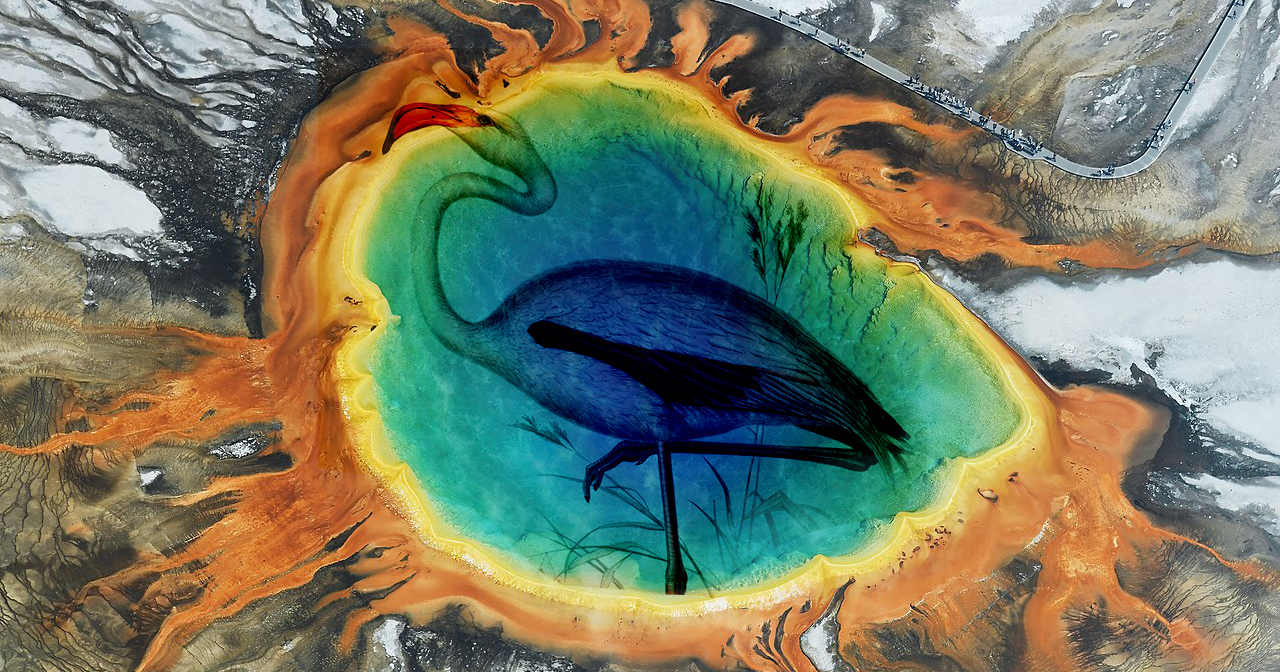
It is not simply that flamingos metabolize archaea, digesting them to turn their pigments into plumage coloration — modern molecular analysis reveals that archaea still live intact in the feathers of flamingos, perhaps the way our own past moves through us, lives in us, colors our present with the hue of something deeper than memory, something shimmering with the mystery of what makes life alive.
1mo ago
The human species is engaged in the act of creating itself. We are shaping our own evolution through the choices we make, and this is both our greatest burden and our highest calling.
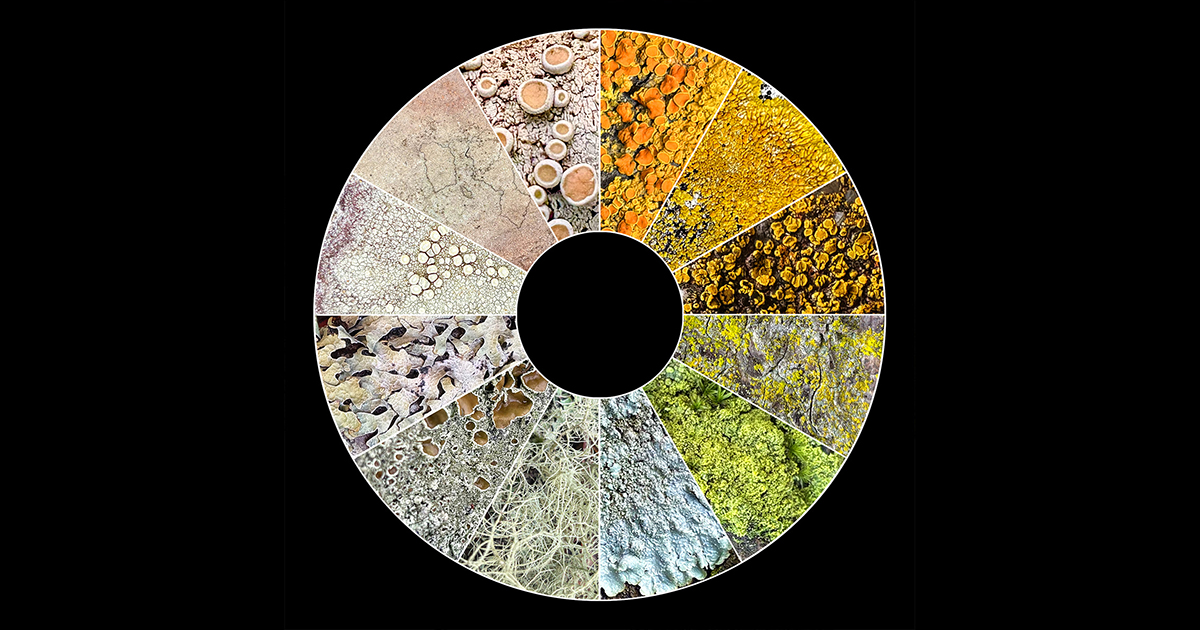
They are what that the German microbiologist and botanist Heinrich Anton de Bary was studying when he coined the word symbiosis, which is the technology evolution invented for unselfing.
2mo ago
The human species is engaged in the act of creating itself. We are shaping our own evolution through the choices we make, yet we proceed as though we were merely passive observers of our own development.
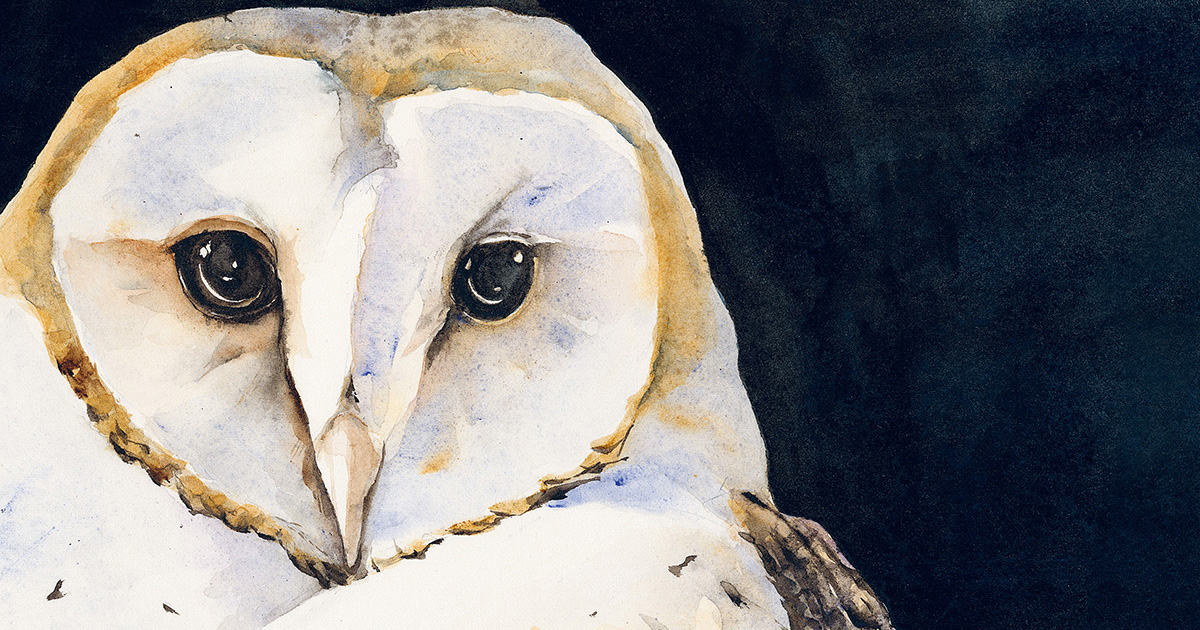
It may be that in REM, this gloaming between waking consciousness and the unconscious, we practice the possible into the real. It may be that we evolved to dream ourselves into reality — a laboratory of consciousness that began in the bird brain.
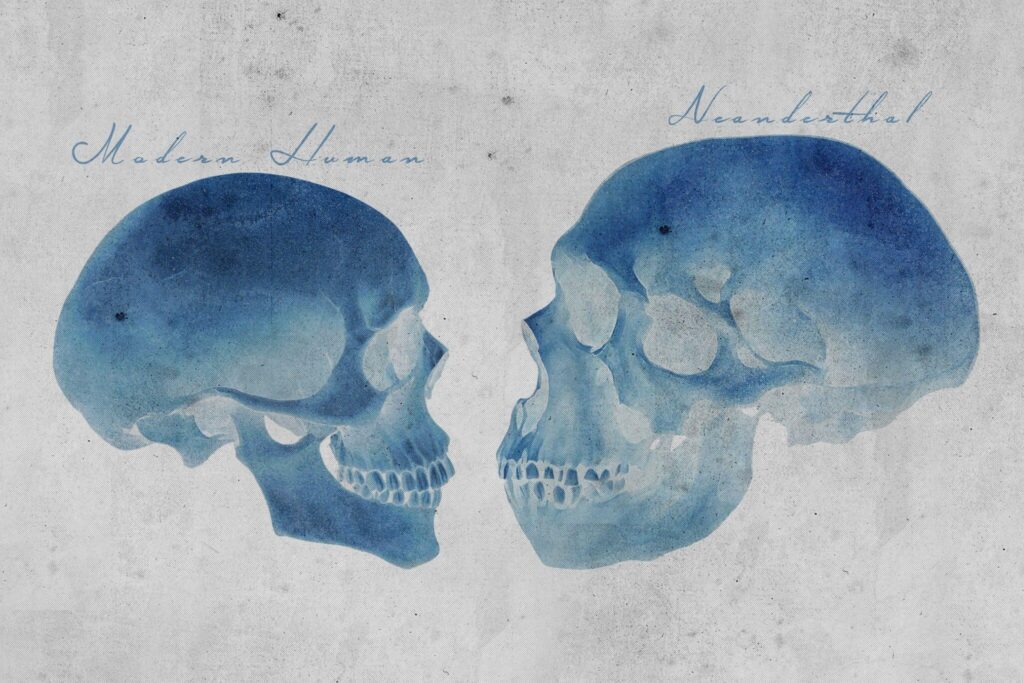
In a study published on Thursday in the journal Science, a team of researchers report that men with a lot of Neanderthal ancestry and women with a lot of modern human ancestry had a strong preference to mate with each other. However it played out, the preference was intense.
2mo ago
Underscored — save the words that stop you in your tracks.