The biggest investing errors come not from factors that are informational or analytical, but from those that are psychological. Investors with no knowledge of (or interest in) a company's merits buy because the price is rising.
4d ago

The last of these — the progressives who simply couldn't admit that billionaire-funded private industry could build something powerful enough to endanger humanity — were the strangest of all, since their refusal to acknowledge the effectiveness of AI basically put them in an alliance with libertarians, hawks, and Trump.
The biggest investing errors come not from factors that are informational or analytical, but from those that are psychological. Investors with no knowledge of (or interest in) a company's merits buy because the price is rising.
The fact that an opinion has been widely held is no evidence whatever that it is not utterly absurd; indeed, in view of the silliness of the majority of mankind, a widespread belief is more likely to be foolish than sensible.

AI is thematic ZIRP. To any layperson, the AI boom is another case of infrastructure overbuild that ignores product commodification and falling barriers to entry. But long-dated binary outcomes of incalculable extremes are protecting a broad subset of investors from multiple compression.
We are faced with the paradoxical fact that education has become one of the chief obstacles to intelligence and freedom of thought. The majority of men and women are not aware of the process by which this happens.
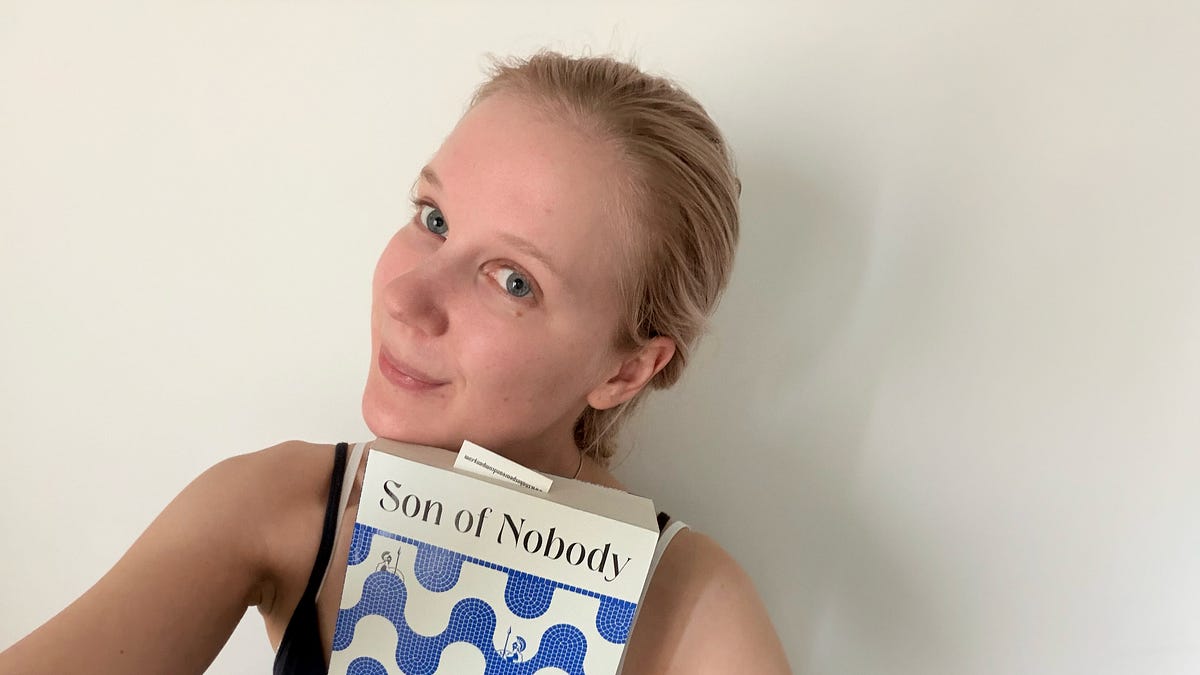
I'm also not aboard the culture of quickly abandoning books or articles when they do not interest you - I think it's good to be challenged, and I've found absolute gems of ideas when I've continued to read pieces with an open mind.
The trouble with most people is that they think with their hopes or fears or wishes rather than with their minds. The investor's chief problem — and even his worst enemy — is likely to be himself.
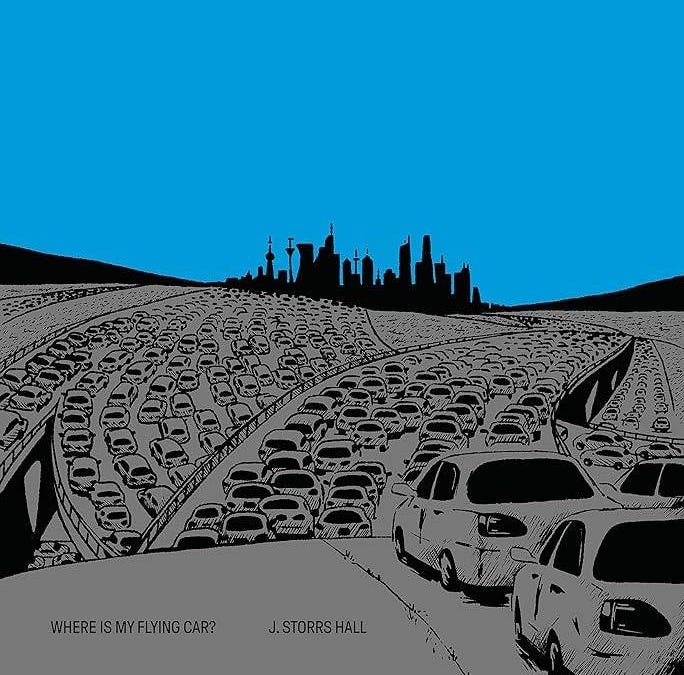
If we had flying cars, we'd enjoy the thrill for a few weeks, and then we'd be back to tweeting on our phones and wondering when the trip would be over.
The best investors I've known don't just have high IQs — they have the rare ability to sit with unresolved questions for years without being compelled to act. Premature certainty is the enemy of superior returns.
It is a great mistake to think that the motive which leads a man to seek knowledge is always a desire for it. Much more often it is a desire for certainty, and the two are very different things.
Every invalid is a physician. What does it matter that his prescriptions are all for himself?
It is not the horse that draws the cart, but the oats. And yet we speak of the horse as the cause of motion, and the oats as mere fuel. So we misread almost every force that moves us.
The demand for certainty is one which is natural to man, but is nevertheless an intellectual vice. If you take your hypothesis seriously enough, it will generate predictions; and if the predictions are wrong, you must abandon the hypothesis. To seek for certainty where the subject-matter does not permit it is to mistake the nature of the inquiry.
It is a far, far better thing to have a firm anchor in nonsense than to ride with the tide of events and be swept along by the prevailing winds of fashion and expediency. Almost nothing in economics is more evident than the desire to believe that the world will be safe for those who are best at the game of competitive self-interest.
The most thought-provoking thing in our thought-provoking time is that we are still not thinking. This is a sobering fact when we consider how much has been done, and how little we have understood of what has been done.
We are not troubled by things, but by the opinions which we have of things. When, therefore, we are hindered, or disturbed, or grieved, let us never blame others, but ourselves — that is, our own opinions.
We are always in search of the redeeming quality or deed that shall make us satisfied with our own evil and ours is a life that is not to be separated from the evil to which it gives birth.
We spend so much time preparing ourselves for disappointment that we rarely consider the opposite skill: how to receive success, happiness, love, or abundance without immediately bracing for its disappearance. When life becomes better than we imagined, we sometimes stop trusting that it will last & we start waiting for the other shoe to drop. We become so afraid of losing the thing we love that we don't even enjoy having it.
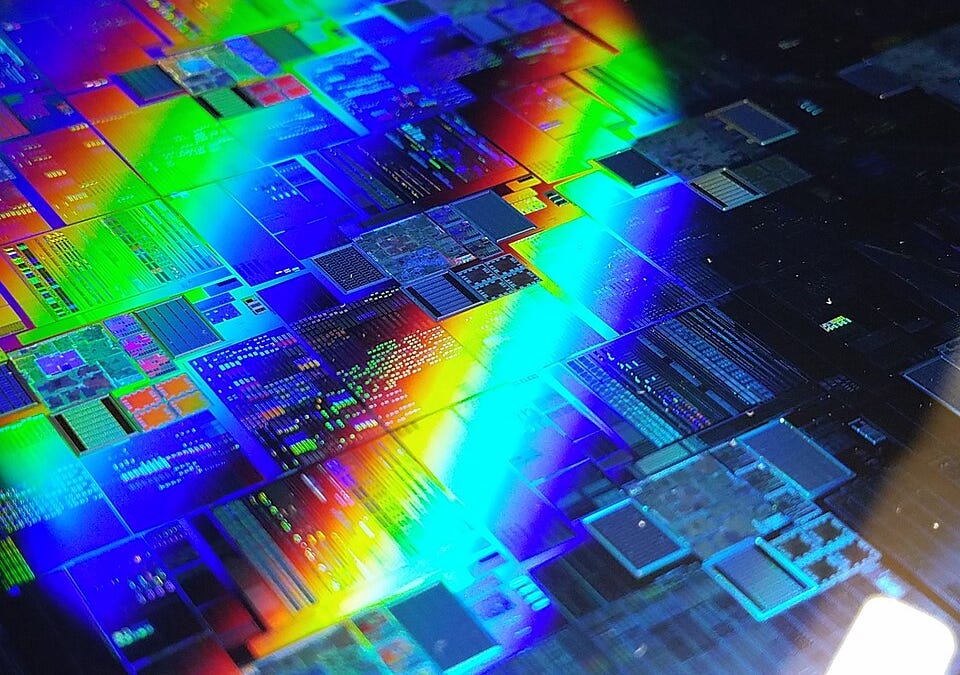
Chatbots are the C-suite's ultimate yes-men — able to buttress egos by condensing information their users don't care to fully understand while avoiding questions they don't want to consider. They'll never say the plan is dumb.
The art of being wise is the art of knowing what to overlook. The faculty of voluntarily bringing back a wandering attention, over and over again, is the very root of judgment, character, and will.
The universe is not required to be in perfect harmony with human ambition. And yet the history of science is largely the history of our stubborn insistence that it must be.
The trick in investing is just to sit there and watch pitch after pitch go by and wait for the one right in your sweet spot. And if people are yelling 'Swing, you bum!', ignore them. There's a temptation for people to act far too frequently in stocks simply because they're so liquid. Over the years, you'd get very rich if you thought of yourself as having a punch card with only twenty punches in it for your whole investment lifetime.
We think we see the sun rise and set; it is the earth that moves. So with human affairs; we fancy we are active; we are swept along like the rest.
We are accustomed to see men deride what they do not understand, and snarl at the good and beautiful because it lies beyond their sympathies.
The market can stay irrational longer than you can stay solvent, but the deeper danger is that you'll convince yourself the irrationality is actually insight — that your losing position is just the world catching up to your genius.
The difference between a good investor and a great one isn't IQ or information — it's temperament. The great investor behaves as if the market is there to serve him, not to instruct him. Most people get this exactly backwards, which is why most people shouldn't be managing their own money.
We shall not cease from mental fight, nor shall our sword sleep in our hand — but the enemy we must overcome is not without, it is the lethargy within us that mistakes comfort for peace and habit for wisdom.
We are spinning our own fates, good or evil, and never to be undone. Every smallest stroke of virtue or of vice leaves its never-so-little scar. The drunken Rip Van Winkle, in Jefferson's play, excuses himself for every fresh dereliction by saying, 'I won't count this time.' Well, he may not count it, and a kind Heaven may not count it; but it is being counted none the less.
The secret to doing good research is always to be a little underemployed. You waste years by not being able to waste hours.
The human mind is not, as philosophers would have you think, a debater, but a dreamer. The function of the intellect is not to distinguish truth from falsehood, but to make whichever it chooses more vivid and persuasive than it could otherwise be.
It is not the strongest of the species that survives, nor the most intelligent, but the one most responsive to change. Yet we mistake adaptability for weakness, and call stubbornness character.
The universe is transformation; life is opinion. If you are distressed by anything external, the pain is not due to the thing itself but to your own estimate of it; and this you have the power to revoke at any moment.
Nothing is so perfectly amusing as a total change of ideas; a man who has been beating his brains against a problem all week is in excellent condition to be amused.
The most savage controversies are those about matters as to which there is no good evidence either way. Persecution is used in theology, not in arithmetic, because in arithmetic there is knowledge, but in theology there is only opinion.
We are more often frightened than hurt; and we suffer more in imagination than in reality.
The chains of habit are too light to be felt until they are too heavy to be broken. Most investors underestimate how much their early portfolio habits — the things they barely notice doing — compound into the architecture of their entire financial life.
The moment we want to believe something, we suddenly see all the arguments for it, and become blind to the arguments against it.
The best investment you can make is in businesses you understand, and the second-best is in your own ability to understand more businesses. Most investors do neither — they buy what's rising and call it research.
We are reluctant to acknowledge the full scope of what we owe to luck, because our vanity rebels against the suggestion that our qualities cannot by themselves have produced our good fortune. It is hard to endure the thought that someone else might equally well have done what we have done.
Invert, always invert. Many hard problems are best solved when you turn them around in reverse. It is not enough to think about what you want — think equally hard about what you want to avoid, and you will find that removing stupidity is often more valuable than adding brilliance.
When Claire tests her own onboarding flow, she naturally follows the happy path. She fills out every required field, clicks 'next,' and never intentionally tries to break anything. Codex tested the flow as both a team and an individual, pushed on required-field edge cases, and immediately uncovered a blocking bug that had survived for months simply because Claire always completed the form correctly.
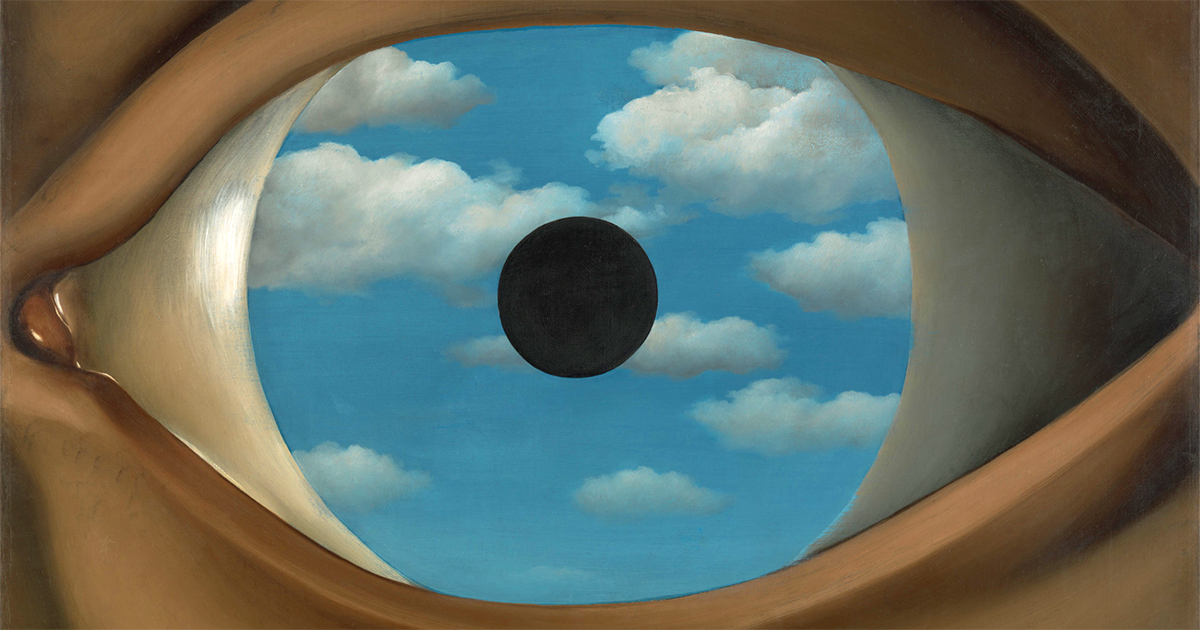
We deceive ourselves if we imagine that we can ever be passive, impartial observers. Every perception, every scene, is shaped by us, whether we intend it or know it, or not. We are the directors of the film we are making — but we are its subjects too: every frame, every moment, is us, is ours.

"…is the tendency for adults over forty to have increased or enhanced recollection for events that occurred during their adolescence and early adulthood."
The market for something to believe in is infinite. But the market for something that actually works is much smaller, and far more competitive. Most investors confuse the two.

Most turnaround stories are told years later, by the winner, after the ending is already known. That's why they always sound clean and polished. This one doesn't have an ending yet, and it's anything but clean and polished.
We are always making gods of those who are indifferent to us, and martyrs of those who love us.
Investors often make the mistake of confusing a exciting industry with a profitable one. The trick is not to find industries that are growing fast, but to find companies that can keep competitors from eating their lunch.
The trouble with the world is that the stupid are cocksure and the intelligent are full of doubt.
You do hear people say privacy is dead, but it's almost always someone who stands to profit from the death of privacy—famously, Mark Zuckerberg. This is a hopeful pitch.
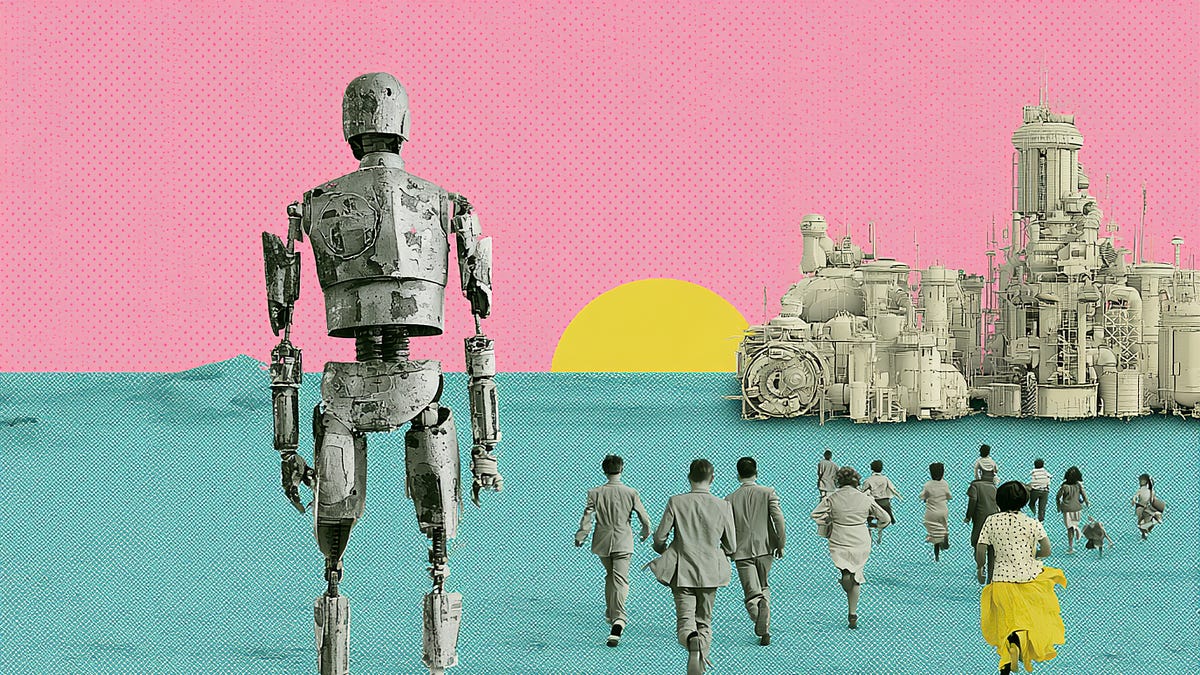
We are very bad at feeling exponentials from the inside, and we are currently inside one. I think this also explains the turbulence around AI better than the usual stories about hype. AI is not capable of being a real cybersecurity threat until suddenly it is, causing sudden and improvised policy changes at the highest level of government.
Underscored — save the words that stop you in your tracks.
Start saving quotes →