The question is not what you look at, but what you see. It is only necessary to behold the least fact or phenomenon, however familiar, from a point a hair's breadth aside from our habitual path, to be overcome by its strangeness and wonder.
6d ago
The function of the imagination is not to make strange things settled, so much as to make settled things strange.
The question is not what you look at, but what you see. It is only necessary to behold the least fact or phenomenon, however familiar, from a point a hair's breadth aside from our habitual path, to be overcome by its strangeness and wonder.
We are compelled to feel that the world of our experience is not the world of reality, and yet it is only through the world of experience that we can come to know any world at all.
We are always acting on what has just finished happening, and reflecting on what is about to begin. The moment of pure presence is always receding.
We do not see nature with our eyes, but with our understandings and our hearts. He who has learned to love a flower has learned something of the secret of being at home in the world.
We are as much as we see. Faith is sight and knowledge. The hands only serve the eyes.
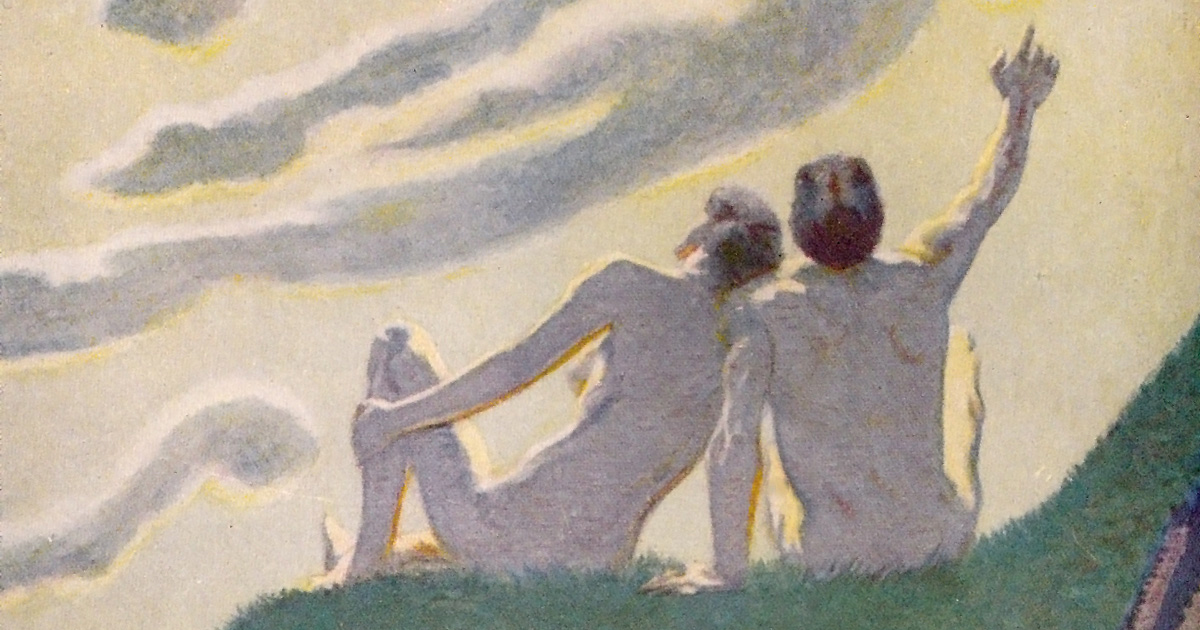
Attention changes the world. How you attend to it changes what it is you find there. What you find then governs the kind of attention you will think it appropriate to pay in the future. And so it is that the world you recognise (which will not be exactly the same as my world) is "firmed up" — and brought into being.
It is not the horse that draws the cart, but the oats. And yet we speak of the horse as the cause of motion, and the oats as mere fuel. So we misread almost every force that moves us.
The observations of others, even our nearest and dearest, are usually quite wide of the mark; and even if they do occasionally hit it, the shot is apt to be more painful than profitable.
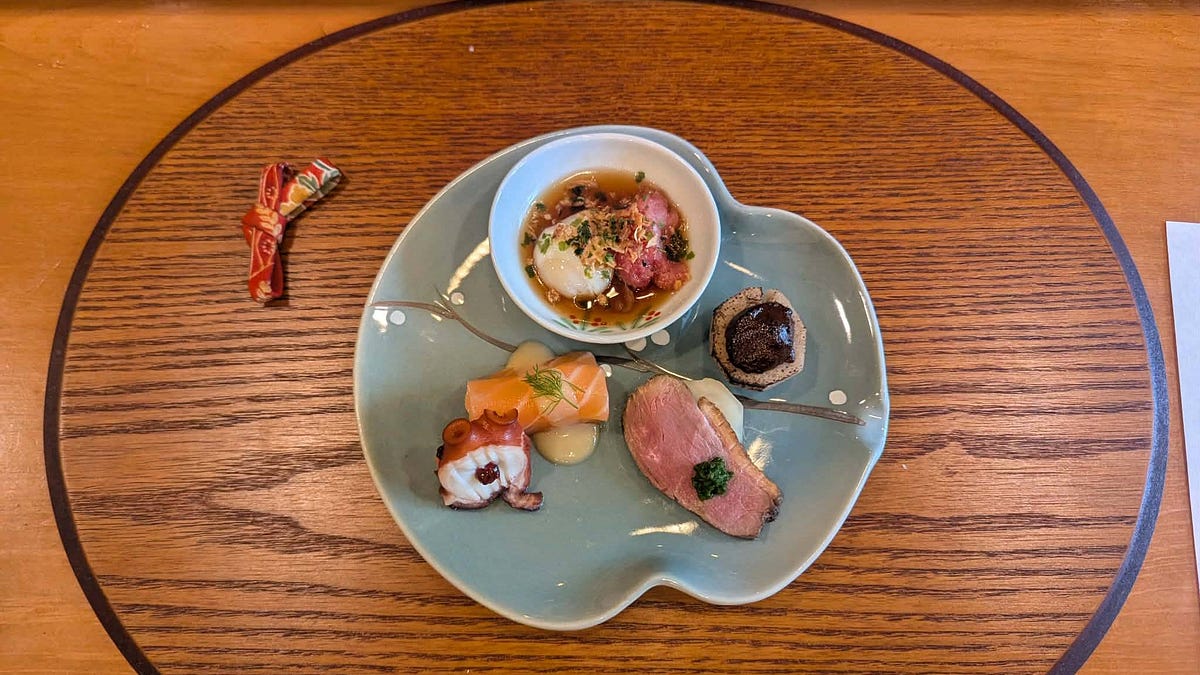
Culinary experiences are not very uniform across the population, so we haven't been able to develop as much of a shared vocabulary to describe what we're tasting — if I've eaten Sichuan pepper and you haven't, it's a little like trying to describe the color red to a blind person.
We think we see the sun rise and set; it is the earth that moves. So with human affairs; we fancy we are active; we are swept along like the rest.
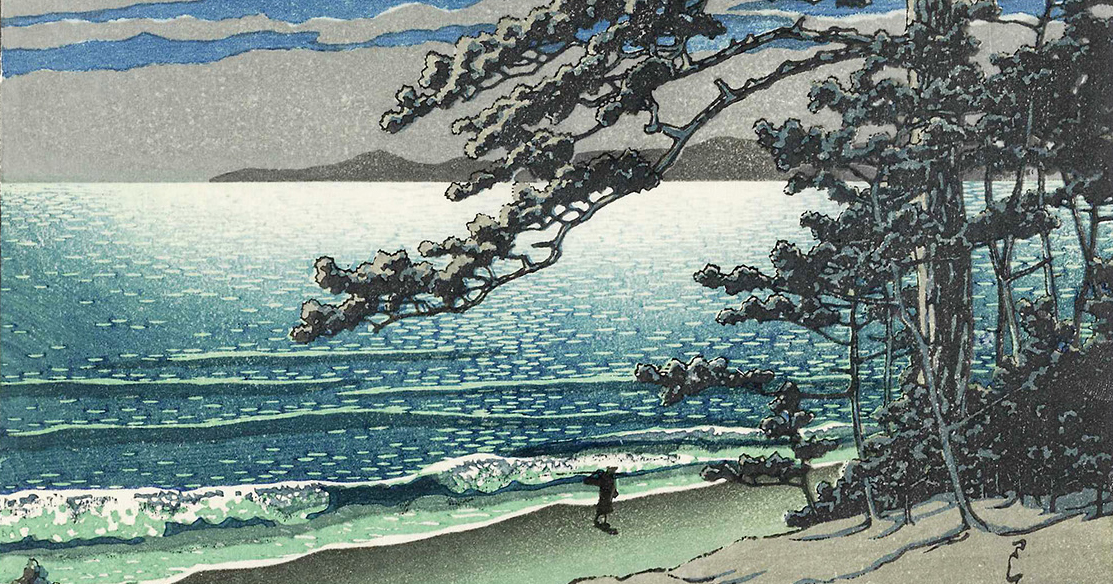
The mistake that we've made — and this, if anything, is the fall of man — is to suppose that that extra circuit, that ability to take an attitude to life as a whole, is the same as actually standing aside and being separate from what we see. We seem to feel that the thing which knows that it knows is one's essential self. That, in other words, our personal identity is entirely on the side of the commentator.
We must not cease from exploration, and the end of all our exploring will be to arrive where we began and to know the place for the first time.
Every act of perception is to some degree an act of creation, and every act of memory is to some degree an act of imagination.
The universe is transformation; life is opinion. If you are distressed by anything external, the pain is not due to the thing itself but to your own estimate of it; and this you have the power to revoke at any moment.
Nothing in the universe can travel at the speed of light, they say, forgetful of the shadow's speed.
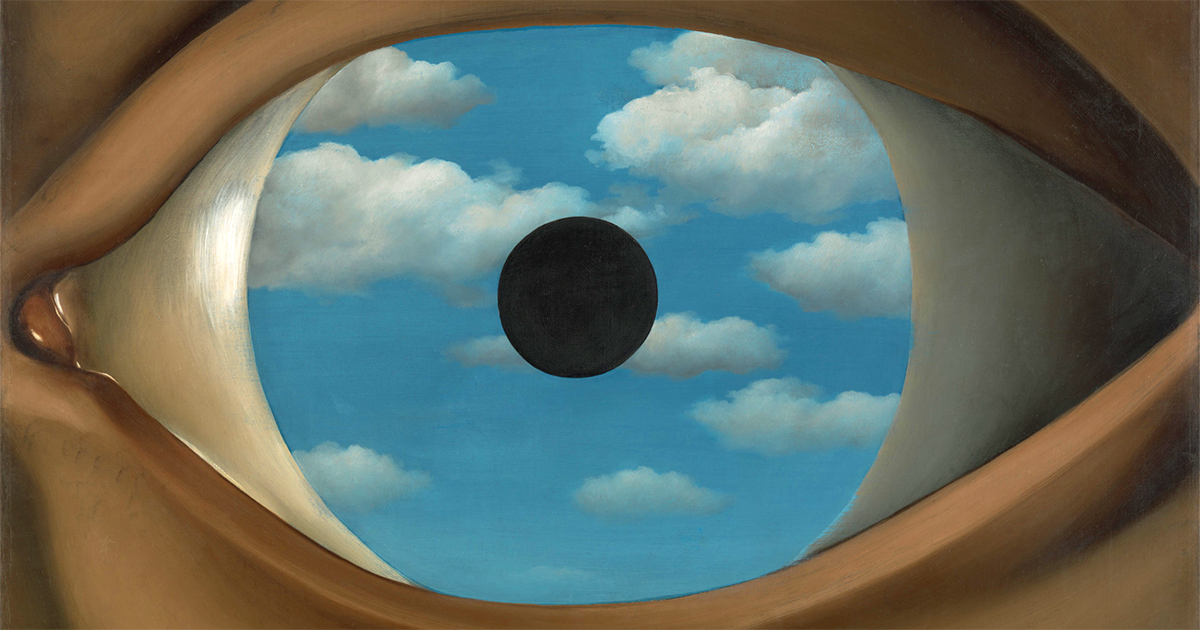
We deceive ourselves if we imagine that we can ever be passive, impartial observers. Every perception, every scene, is shaped by us, whether we intend it or know it, or not. We are the directors of the film we are making — but we are its subjects too: every frame, every moment, is us, is ours.
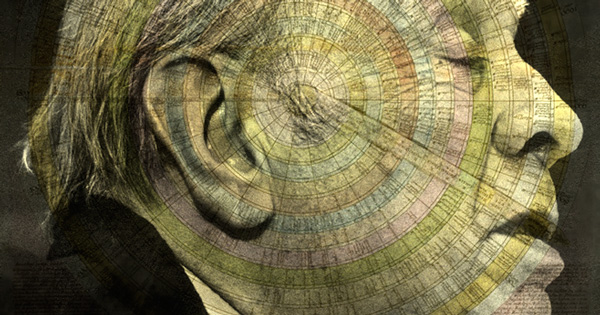
The vociferous catastrophes of a general order — fires, wars, epidemics — are one single pain, illusorily multiplied in many mirrors.
The obscure we see eventually, the completely apparent takes longer.
It is not the magnitude of our actions but the place they fill in our life that makes them great or small. Obscurity enlarges objects; and great men are not always such in the eyes of their valets.
We do not see things as they are. We see them as we are. And when we change, all things change with us — not because the world has shifted, but because the lens through which we read it has.
The brain is wider than the sky, for, put them side by side, the one the other will contain with ease, and you beside.
We read the world wrong and say that it deceives us. The poet who walks by moonlight knows that the moon is the sun and that the darkness is a brilliant day.
We are enslaved by anything we do not consciously see. We are freed by conscious perception.
We are apt to think that our ideas are a measure of things; but they are only a measure of ourselves.
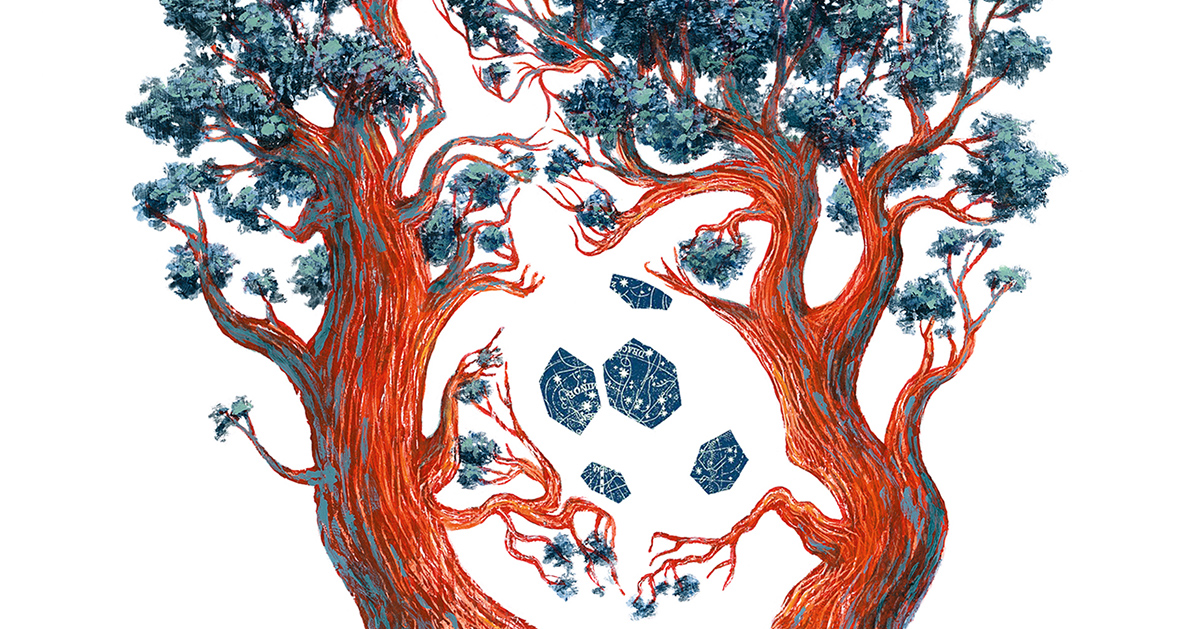
A tree is a light-catcher that grows life from air — an enormous eye tuned to the light of the universe.
The moment one gives close attention to anything, even a blade of grass, it becomes a mysterious, awesome, indescribably magnificent world in itself.
The obscure we see eventually. The completely obvious, it seems, takes longer.
The observer, when he seems to himself to be observing a stone, is really, if physics is to be believed, observing the effects of the stone upon himself.
We are more sensible of what is done against custom than against nature.
A fact is not a truth until you love it.
We shall see but little way if we require to understand what we see. How few things can a man measure with the tape of his understanding! How many greater things might he be seeing in the meanwhile!
We do not see nature with our eyes, but with our understandings and our hearts. To a man who is indifferent to beauty, the Sistine ceiling is only paint on plaster.
The river itself has no beginning or end. In its beginning, it is not yet the river; in its end, it is no longer the river. What we call the headwaters is only a convention of cartographers.
We are compelled to feel that the world presented to our senses is not the world as it really is, but only the world as it appears to beings constituted as we are. The thing in itself remains forever unknowable.
The art of being wise is the art of knowing what to overlook.
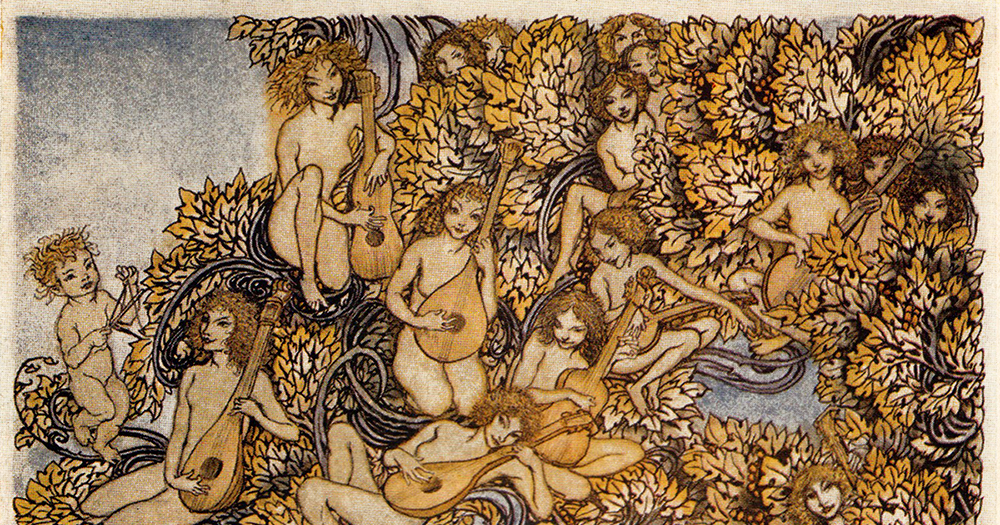
Because human beings remember with neurons, we are disposed to see more of what we have already seen, hear anew what we have heard most often, think just what we have always thought. Our minds are burdened by an informational inertia whose headlong course is not easy to slow… No individual can think his way around his own Attractors, since they are embedded in the structure of thought.
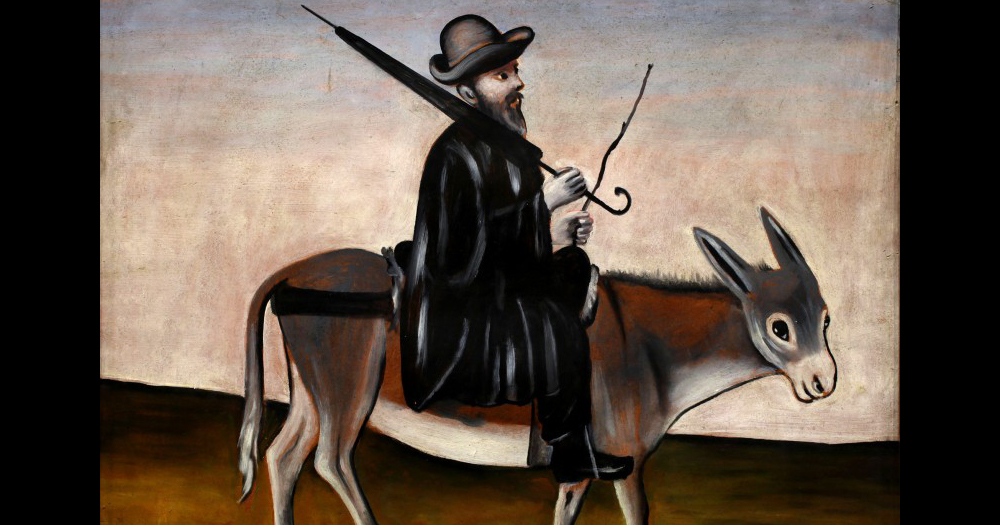
The evening extends beyond its normal limits, and the hour, infected with eternity, is infinite, peaceful, unfathomable.
We shall not cease from exploration, and the end of all our exploring will be to arrive where we started and know the place for the first time.
The mind, in short, works on the data it receives very much as the sculptor works on his block of stone. In a sense the statue stood there from eternity. But there were a thousand different ones beside it in the same stone, and the sculptor alone is to thank for having extricated this one from the rest.
We arrive at truth, not by the reason alone, but by the whole man. Genius is the recovery of childhood at will—the power to live, think, and act in childhood again; so all great poets are necessarily children, in the sense that they retain the power of wonder and the capacity to see the world as if for the first time.
The mind does not work by way of ideas, but by way of passionate preferences; we do not see nature, we see our idea of nature.
The mind is a collection of surfaces, and we must learn to read the signs written upon them—to distinguish between the scratches of accident and the marks of intention.
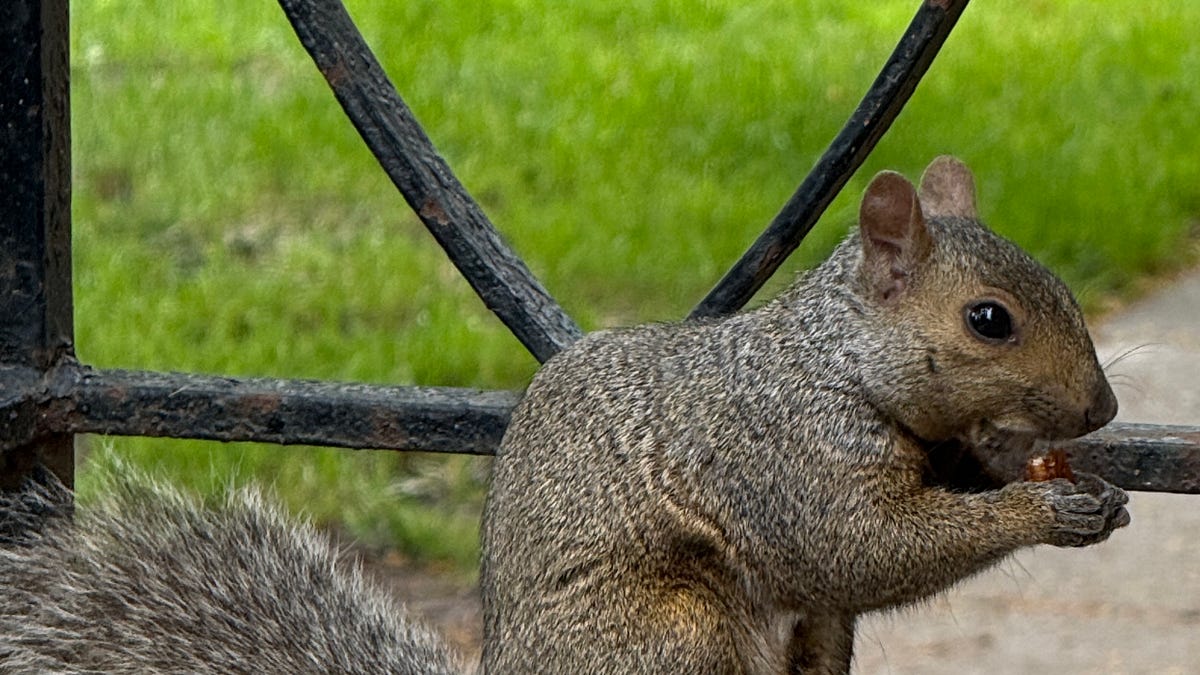
What I'm talking about is a moment where you can be convinced that there's an unknown, deeper order for things. A meaning behind it all, even if we're just trying to apply meaning to coincidence. But it's sweet enough, to me, even if it's just a reminder that we make meaning.
The lover of nature is he whose inward and outward senses are still truly adjusted to each other; who has retained the spirit of infancy even into the era of manhood.
We do not remember days, we remember moments. The gods, not being human, have mercifully forgotten the days and the years, the stretch of foul weather and the long dull reaches of our lives, and have retained only the bright moments: thus our lives are high-lighted and dramatic with the deus ex machina and the tragedy of unforeseen events.
The eye is not merely a physical organ, but the supreme instrument of the mind; it is the only sense that can perceive beauty, and beauty is the only thing that makes life worth living.
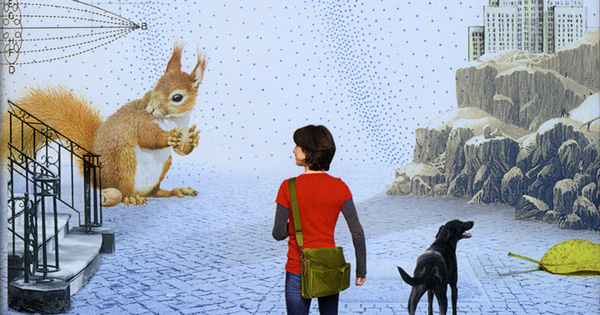
We see, but we do not see: we use our eyes, but our gaze is glancing, frivolously considering its object. We see the signs, but not their meanings. We are not blinded, but we have blinders.
We do not remember days, we remember moments. The gods, not being human, have pleasantly forgotten the days and the years of the universe and have kept only a few moments of beauty wherewith to refresh themselves.
The human mind is like a flashlight in the dark. It illuminates a small circle of the world around us, but beyond that circle lies an infinite darkness that we can never fully penetrate.
Underscored — save the words that stop you in your tracks.
Start saving quotes →