Most founders spend their careers fighting to retain control of their companies by creating dual-class shares, negotiating board seats, and structuring voting rights in a way that make sure no one can tell them what to do. Anthropic's founders, on the other hand, have given a group of outsiders the power to help decide who gets to oversee them.
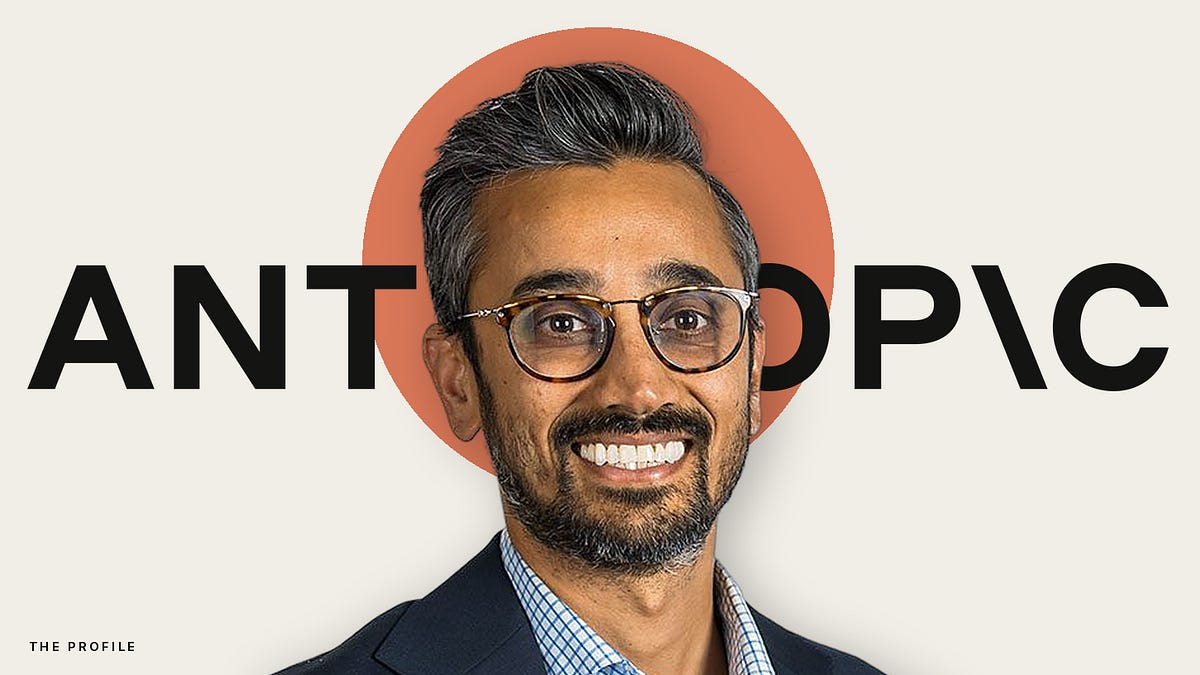
Buried on page 145 is the name of a man I'd never heard of who wields an unusual amount of power: Dr. Neil "Buddy" Shah, chair of the Anthropic Long-Term Benefit Trust.
Zuckerberg used the occasion to publish a bizarre opinion piece in the Wall Street Journal—proclaiming himself as a champion of human potential and an opponent of centralized power. This is the same guy who laid off 8,000 employees a few days ago, and is building a data center as large as Manhattan. By the way, Zuckerberg himself can't be fired—because he limits the voting rights of most shareholders.
Few – if any – startups in Silicon Valley history have grown as big as Notion, or for as long, without some semblance of a board. But by virtue of a quirk of its own fundraising history and an intellectual internal leadership style, it's the position Notion found itself in even after more than a decade in operation, and as its valuation reached $11 billion.
The ex-employees, who cofounded a new AI watchdog group, say investors deserve more information about xAI's safety practices before SpaceX goes public.
For Anthropic itself, Field chose more loaded words: "They were not consistently candid in their communications," he said.
6mo ago
The best thing a public company can do is repurchase stock when it's trading below intrinsic value—but the worst thing is to repurchase stock when it's trading above it, which happens far too often because of executive compensation incentives.
7mo ago
a position which directly incentivizes insider trading. That in turn creates a long list of very predictable problems.
8mo ago
Underscored — save the words that stop you in your tracks.