The difference between a good investor and a great one isn't the ability to find more opportunities — it's the discipline to do nothing when there are none worth taking. Most of the money in investing is made by sitting, not by acting.
1d ago
The single greatest edge an investor can have is a long-term orientation. Most of the competition is focused on the next quarter; if you can honestly say you don't care about the next three years, you've already eliminated most of your rivals before the game begins.
The difference between a good investor and a great one isn't the ability to find more opportunities — it's the discipline to do nothing when there are none worth taking. Most of the money in investing is made by sitting, not by acting.
The one thing I would say is that the optimal amount of hassle and stress is not zero. Eliminating all friction is often the goal, but a life or portfolio with no friction is also one with no growth, no learning, and no resilience. The question is which frictions are worth tolerating.
The best businessmen I've ever known were all great simplifiers. They had an uncanny ability to cut through the noise and find the one or two variables that really mattered — and then they just ignored everything else. Most people drown in complexity they created themselves.
Most people overestimate what they can do in one year and underestimate what they can do in ten years. But the rarer error — the one that actually destroys wealth — is mistaking a temporary edge for a permanent one and pressing it long past its expiration date.

Even the most sincere promise is but a tenuous handshake — not between us and others, but between our present selves and our future selves. Nothing is more discomposing to our self-image than watching ourselves break a true promise on the edge of the awful recognition that our future selves are only ever a fantasy of who we would like to be, not a prediction of who we will become.
Risk means more things can happen than will happen. The gap between those two things is where most investment mistakes are made — not from bad analysis, but from assuming the future is narrower than it actually is.
The biggest investing errors come not from factors that are informational or analytical, but from those that are psychological. Investors with no knowledge of (or interest in) a company's merits buy because the price is rising.
Invert, always invert. Many hard problems are best solved only when they are addressed backwards. The way complex adaptive systems work and the way mental constructs overlap, problems frequently become easier to solve if you turn them around in reverse.
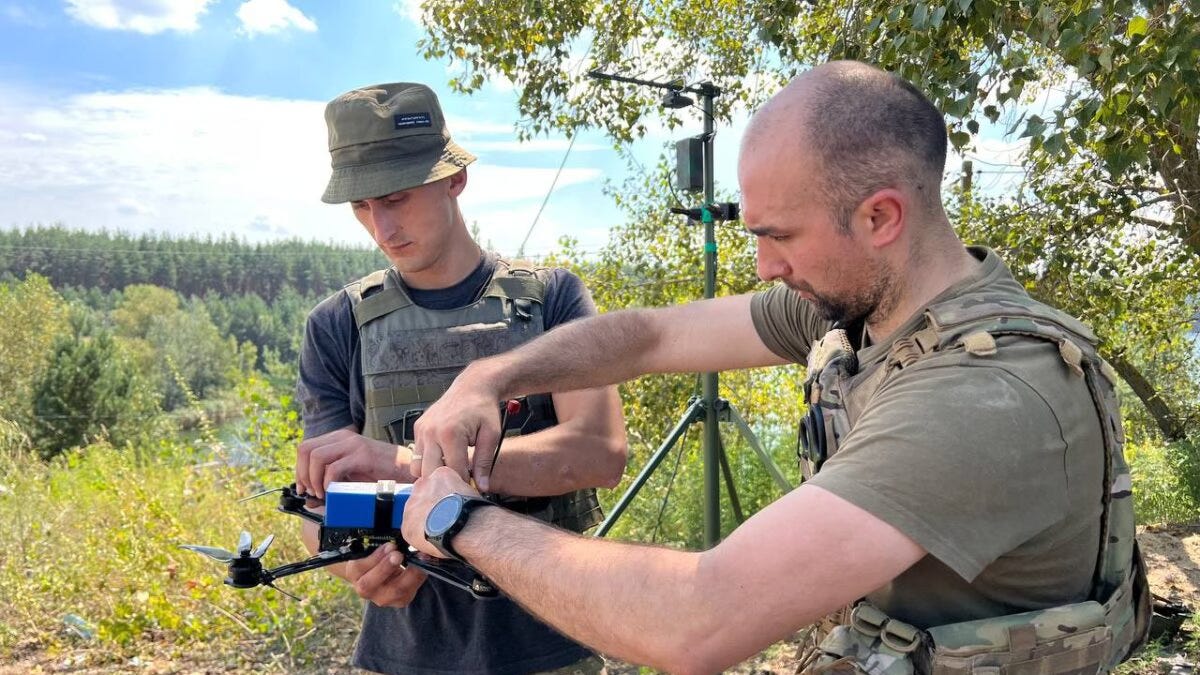
Research published by the Australian Army describes changes in Ukraine's drone warfare methods happening over weeks, compared with the many years Western militaries often take to develop and buy new equipment. It is a tight feedback loop, and being able to change it quickly can matter more than getting it perfect in the first place.
The job of the CEO is not to make good decisions. It's to make a small number of decisions, make them slowly, and make them well. Speed is irrelevant if you're going in the wrong direction.
Most people think that finding a hot stock is investing. Finding a stock that is cheap is not enough; you also need a catalyst — something that will actually cause the price to reflect the value. Without a catalyst, you can be right and still lose money for years.
The record of the past is used to justify the present, but the future is where the real money is made. Most investors spend 95% of their time studying history and 5% imagining what the world could become — and then wonder why they keep buying things that have already happened.
The really important kind of freedom involves attention, and being aware enough to choose what you pay attention to and to choose how you construct meaning from experience. If you cannot exercise this kind of choice in adult life, you will be totally hosed.
Most people think diversification means owning many things. But the real diversification that matters is diversification across time — being able to survive long enough that the math works in your favor. Staying power is the asset most investors forget to buy.
The difference between a good business and a bad business is that good businesses throw up one easy decision after another. The bad ones give you horrible choices — decisions where every option has a serious downside.
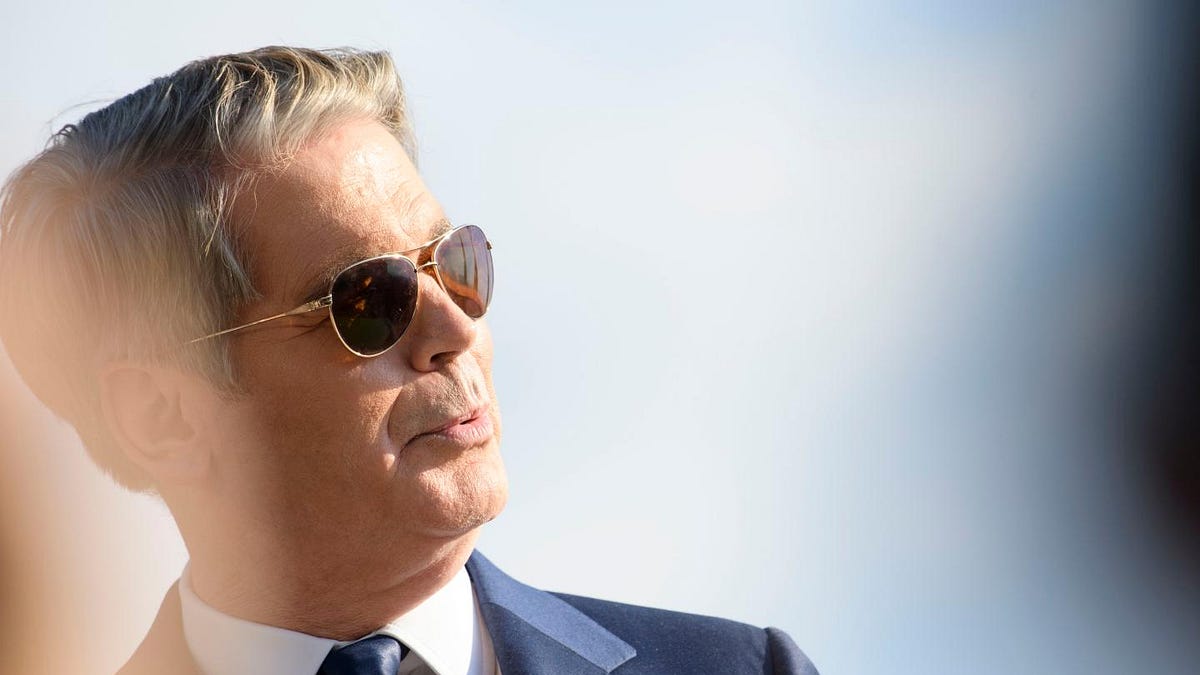
Evan assured us that his consensus is that there's a 10% chance human civilization does not survive the next decade.
He explains how he uses an AI council to examine his hardest decisions and why taste, judgment, and responsibility become more valuable as AI becomes more capable.
Most people think that if they just had more information, they'd make better decisions. But the limiting factor is almost never information — it's the willingness to act decisively on incomplete information while others are still waiting for certainty that will never come.
The market can stay irrational longer than you can stay solvent, but the deeper truth is that most investors go broke not from bad timing but from borrowing money to express a correct opinion too early. Leverage transforms a right idea into a ruin.
The lesson is not that agents need approval for everything. It is that they should act independently on low-risk work and involve a human when the consequences are meaningful.
The trouble with most people is that they think with their hopes or fears or wishes rather than with their minds. The investor's chief problem — and even his worst enemy — is likely to be himself.
Diversification is protection against ignorance. It makes very little sense for those who know what they're doing.
It is not enough to be busy; so too are the ants. The question is: what are we busy about?
The chains of habit are too light to be felt until they are too heavy to be broken. Spend each day trying to be a little wiser than you were when you woke up. Discharge your duties faithfully and well. Step by step you get ahead, but not necessarily in fast spurts.
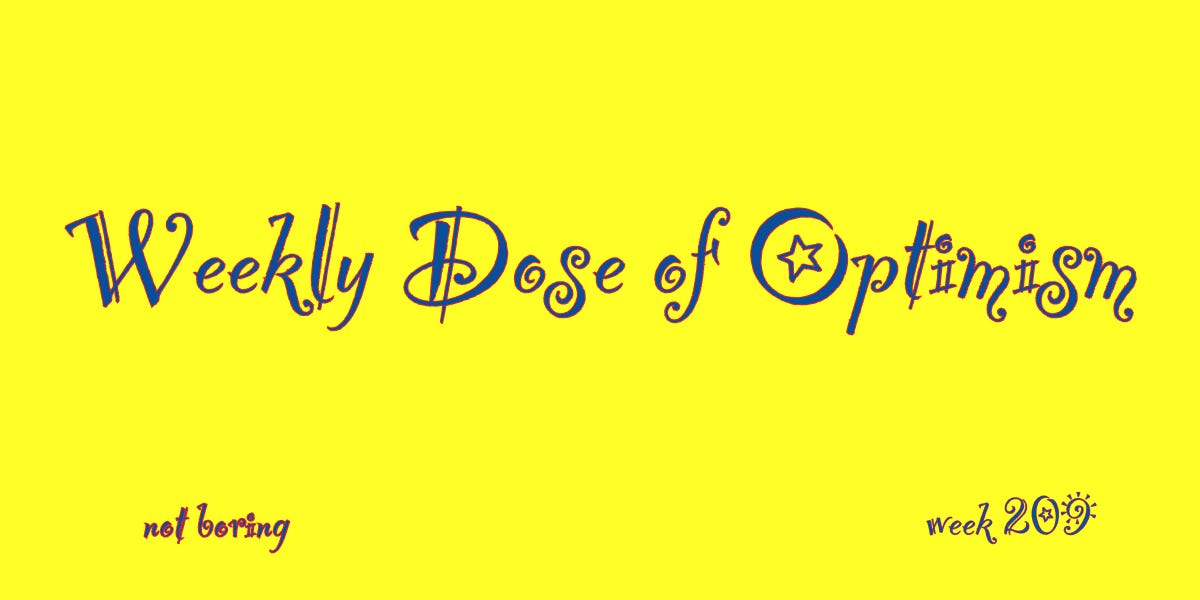
"If you had to choose one moment in history in which you could be born, and you didn't know ahead of time who you were going to be — what nationality, what gender, what race, whether you'd be rich or poor, gay or straight, what faith you'd be born into — you wouldn't choose 100 years ago. You wouldn't choose the fifties, or the sixties, or the seventies. You'd choose right now."
The biggest returns in investing come not from picking the right answer, but from surviving long enough to be right. Time is the only factor that can't be faked, borrowed, or optimized away.
The man who is perpetually hesitating which of two things he will do first, will do neither. The man who resolves, but does not execute his resolution, has not yet learned the use of his will.
The best investors I've known don't just have high IQs — they have the rare ability to sit with unresolved questions for years without being compelled to act. Premature certainty is the enemy of superior returns.
Invest in a business any fool can run, because someday a fool will. If it won't survive that, it's not much of a business.
It is a great mistake to think that the motive which leads a man to seek knowledge is always a desire for it. Much more often it is a desire for certainty, and the two are very different things.
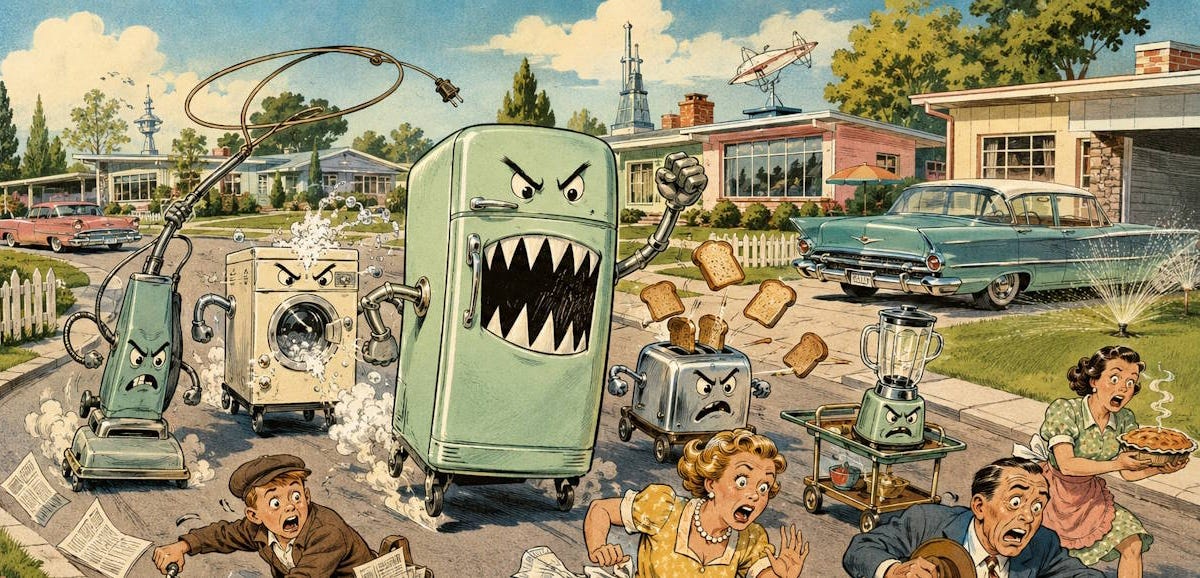
AI alignment will forever be balancing the tradeoff between paperclip-maximizing and disempowerment, because these two rival concepts of alignment are fundamentally incompatible. There is an inherent tension between doing what humans tell you to do, and doing what's good for humans.
The key to investing is not assessing how much an industry is going to affect society, or how much it will grow, but rather determining the competitive advantage of any given company and, above all, the durability of that advantage. The products or services that have wide, sustainable moats around them are the ones that deliver rewards to investors.
It is not the going out of port, but the coming in, that determines the success of a voyage. And so it is with the long voyage of life — but how seldom do we think of this when we are young, and planning our first departure!

The plan was to paint just ONE beam to bounce light. But DOT crews misunderstood, assumed the design team loved purple, and painted the entire highway.
The stock market is a device for transferring money from the impatient to the patient. But what most people miss is that patience itself is a skill — and like all skills, it atrophies without deliberate practice against the grain of every instinct you have.
The demand for certainty is one which is natural to man, but is nevertheless an intellectual vice. If you take your hypothesis seriously enough, it will generate predictions; and if the predictions are wrong, you must abandon the hypothesis. To seek for certainty where the subject-matter does not permit it is to mistake the nature of the inquiry.
The great end of life is not knowledge but action. What men need is as much knowledge as they can organize for action; give them more and it may become injurious. Some men are heavy and stupid from undigested learning.
The dealer's hand is the most important hand at the table, yet most investors spend all their time analyzing the other players. In markets, you must understand what the seller knows that you don't — not just what you believe the asset is worth.
Occasionally, the market does something so stupid it takes your breath away. The trick is to make sure you're there to take advantage of it — and that requires doing almost nothing most of the time, which is psychologically brutal for people who feel they're paid to act.
Most people think of risk as the probability of losing money. But the real risk is the permanent impairment of capital — a temporary price decline is not a loss unless you sell. The investor who confuses volatility with risk will systematically sell at exactly the wrong moment.
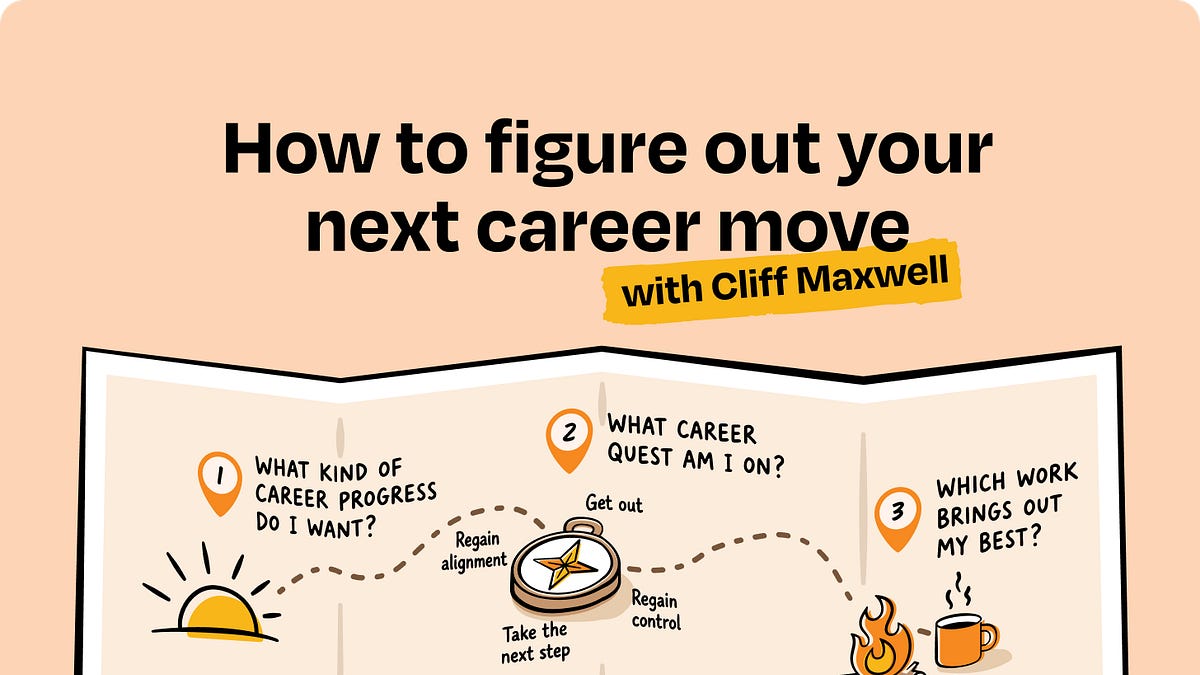
Progress, on the other hand, is contextual and dynamic. It is ultimately a question of what your professional Job to Be Done is, and allows you to chart your own course rather than follow a single, narrow path of progression. Depending on your context, progress may be about autonomy and flexibility, preparing for the future, respect and recognition, or simply collecting a paycheck during a time of instability.
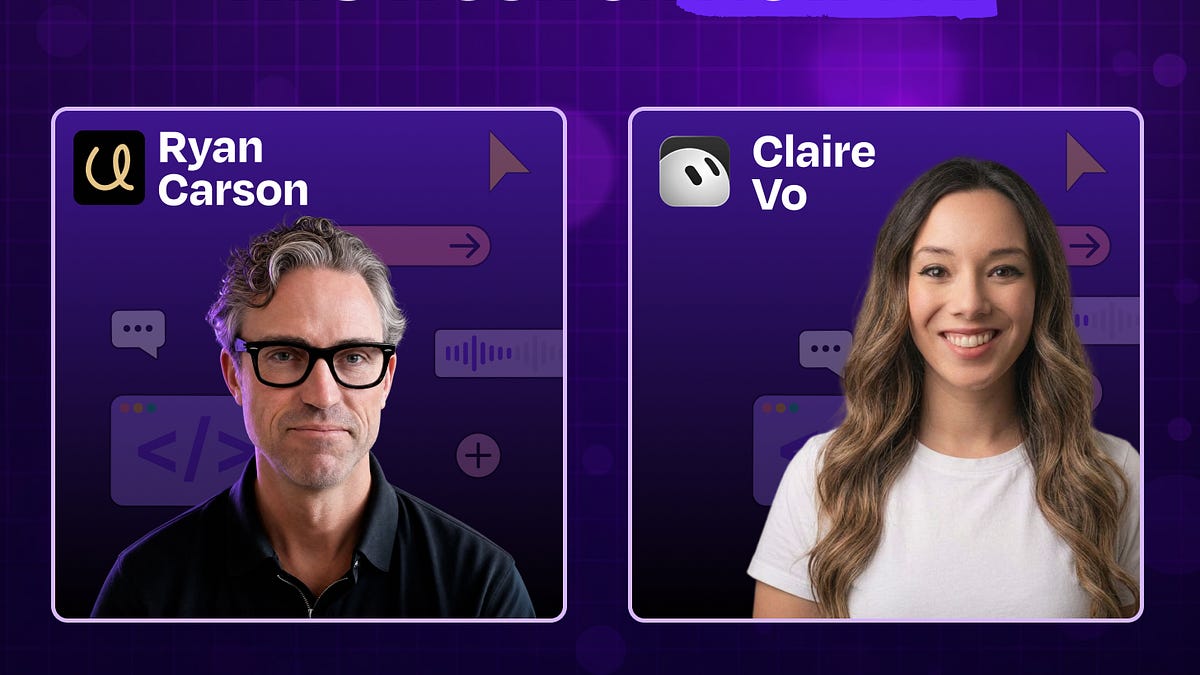
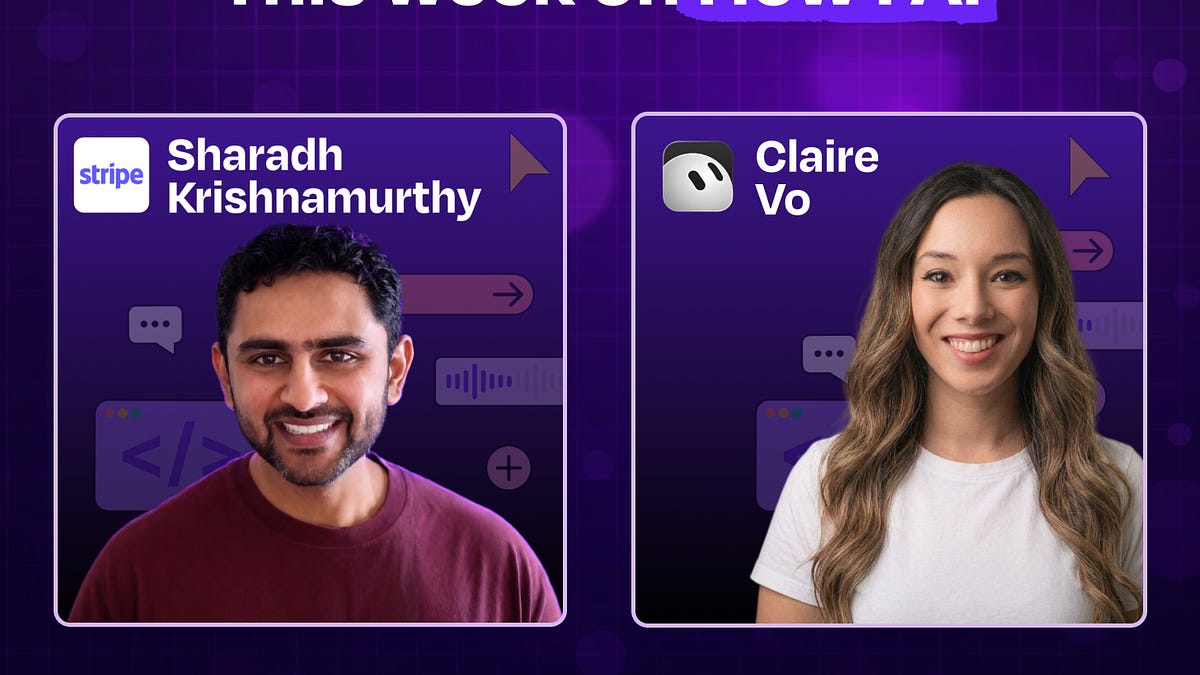
Producing more with AI does not automatically lead to a better product. Both Ryan and Claire are skeptical of letting agents work without constraints overnight. Frontier models can generate an enormous amount of output, but they do not know what customers actually need. Product ideas, priorities, and market judgment still have to come from a human who talks to users.
Invert, always invert. Many hard problems are best solved by asking: what would guarantee failure? Avoid that, and success becomes far more likely than if you'd chased it directly.

Chatbots are the C-suite's ultimate yes-men — able to buttress egos by condensing information their users don't care to fully understand while avoiding questions they don't want to consider. They'll never say the plan is dumb.
The art of being wise is the art of knowing what to overlook. The faculty of voluntarily bringing back a wandering attention, over and over again, is the very root of judgment, character, and will.
The biggest misconception in business is that insight is rare and execution is common. In my experience, it's exactly the opposite — workable ideas are everywhere, but people who can execute even a single step beyond the obvious are vanishingly scarce.
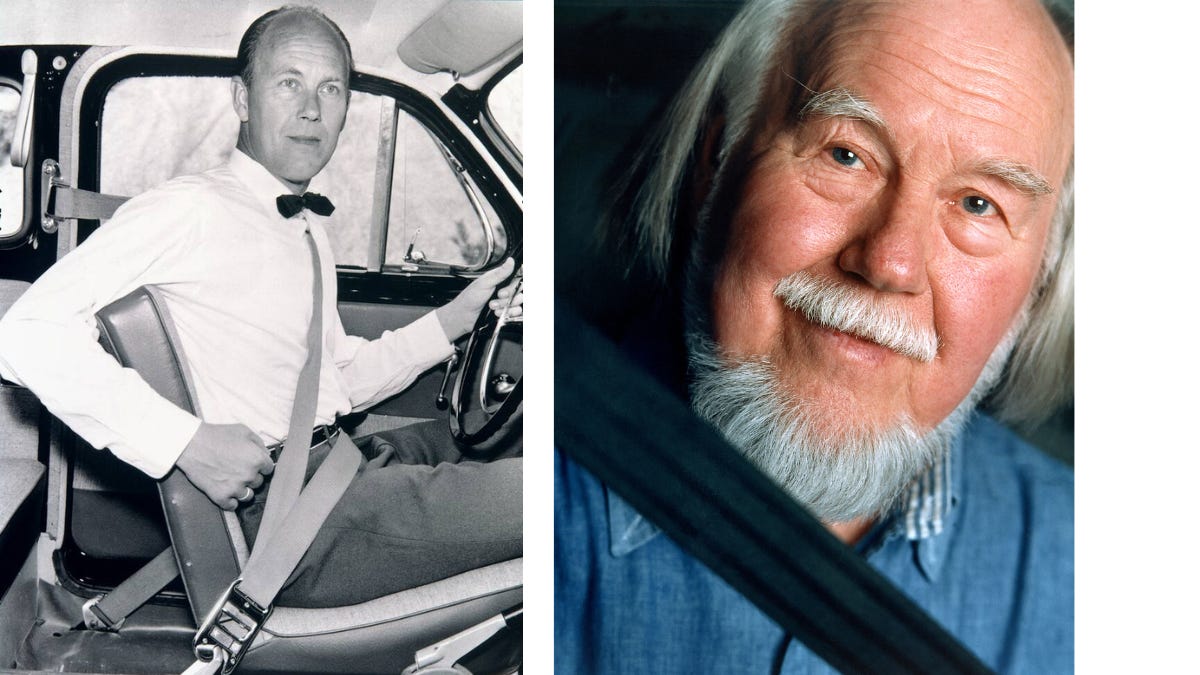
The car was never actually declared safe, per se. It was just always safer than the last one, based on what reality had reported back.
Most people overestimate what they can do in one year and underestimate what they can do in ten years. Compounding is not just a financial concept — it applies to knowledge, relationships, and reputation. The problem is that compounding looks like nothing is happening, right up until it looks like everything is happening.
The difficulty in life is the choice. And it is a difficulty because, in making a choice, we must leave behind the unselected remainder — which haunts us, sometimes, as the ghost of what we might have been.
Underscored — save the words that stop you in your tracks.
Start saving quotes →