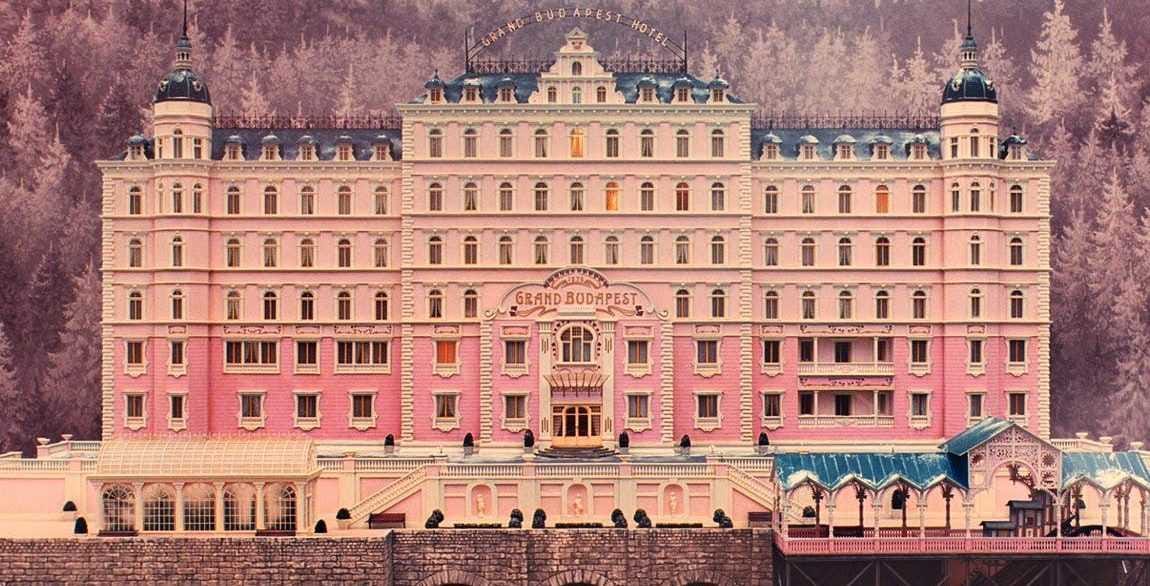
We are all such accidents. We do not make up history and culture. We simply appear, not even as random as that, for we are each the result of one particular egg meeting one particular sperm, when so easily it might have been another.
6d ago
The Romans did not spread their arms over so many nations from a desire of empire, but from a necessity of self-defense; and yet, by the time they had finished defending themselves, they had conquered the world.
1w ago
It is not enough for the historian to know what happened; he must also understand what did not happen, and why it did not happen.
2w ago
"If you had to choose one moment in history in which you could be born, and you didn't know ahead of time who you were going to be — what nationality, what gender, what race, whether you'd be rich or poor, gay or straight, what faith you'd be born into — you wouldn't choose 100 years ago. You wouldn't choose the fifties, or the sixties, or the seventies. You'd choose right now."
2w ago
It is not so much that man has evolved from the ape, as that both have evolved from a common ancestor — and the difference between a man who sees this and one who does not is not a difference of knowledge, but of imagination.
2w ago
The thing about Cassandra is not that she was disbelieved, but that she was believed and then forgotten — which is the commoner fate of prophets.
2w ago
We are what we are because we have been what we have been, and what is needed for solving the problems of human life and morals is not the wish to extinguish the past, but a better understanding of it.
3w ago

The ridiculously complex Campaign for North Africa boasts 1,500 hours and recommends you play with 10 people.
4w ago
We are all of us the debtors of those who have gone before. Not one of us has invented the alphabet, the road, the plow, or the custom of mercy — and yet we spend our days as though we were self-created, owing nothing to anyone.
4w ago

When he entered office, East Asia had 1.22 billion people living on less than $3 a day (in 2021 dollars) — more than half the world's total. By the time Xi Jinping became China's top leader, that number was one-sixth of what it had been: This is the biggest and fastest decrease in absolute poverty that the human race has ever seen.
1mo ago
The universe is not a prison, nor yet a playground; it is a loom, and we are simultaneously the shuttle and the thread. What we call fate is only pattern seen from outside.
1mo ago

Six ginkgos were among the handful of organisms that survived the bombing of Hiroshima. Long after Hitler and Oppenheimer have been pressed between the pages of history, the ginkgos are still alive, rising from the ruins of our capacity for destruction by hate as an emblem of our capacity for salvation by love. Salvation, be it of a species or of a soul, is always anchored in some act of love, and every act of love is at bottom an act of salvation.
1mo ago
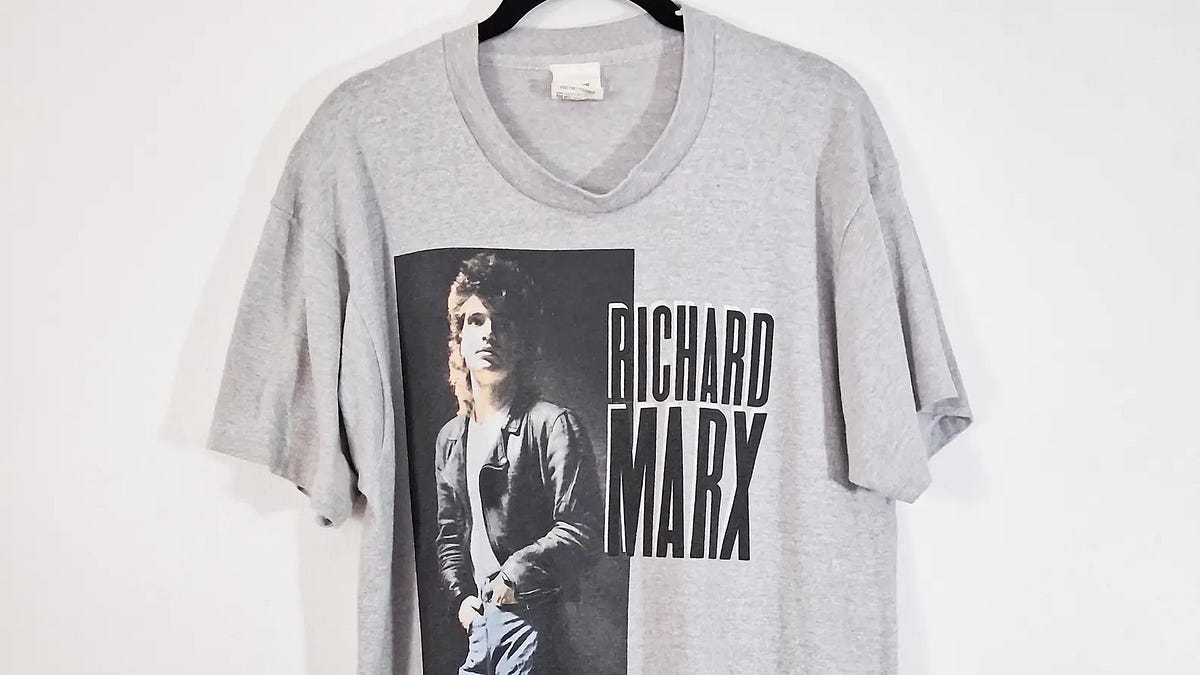
"Open up a newspaper and take your pick. The energy crisis, the hostages — it was a marathon of disaster," he explained. "People needed Argent again for proof that there had been good times before the bad times."
1mo ago
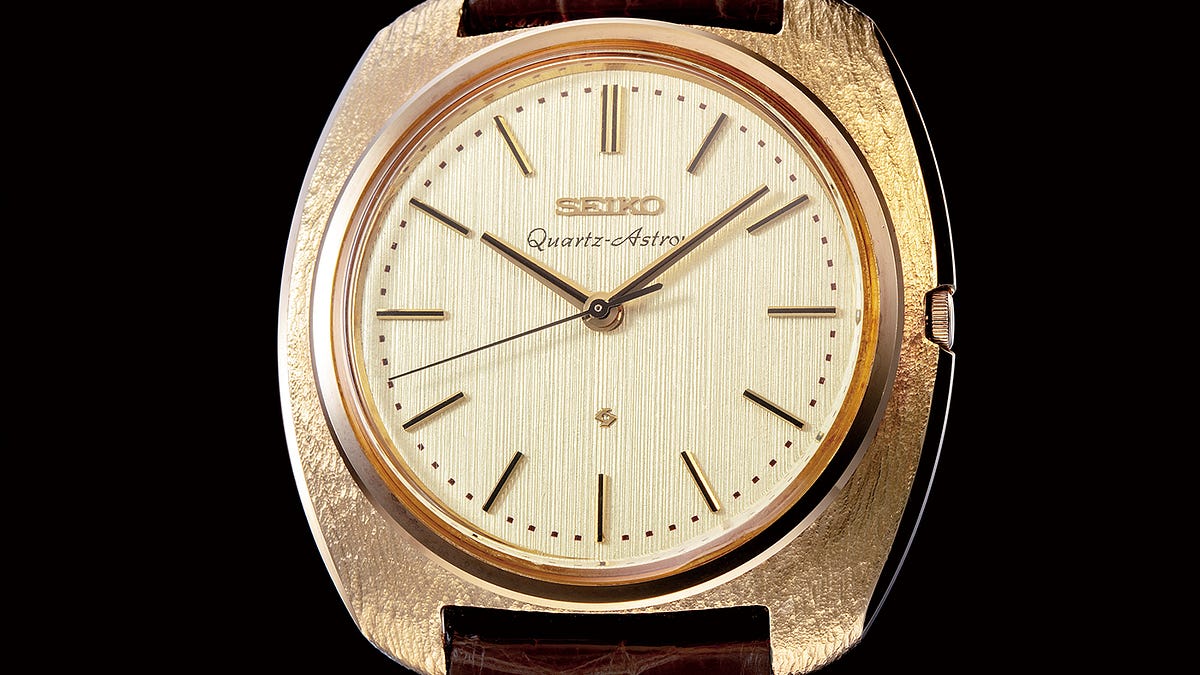
The Swiss, suffering from hubris, didn't appear to realize they were enmeshed in a war with the Japanese at all, even after the Astron debuted. They also seemed to hold Japanese watchmaking in contempt. As one Swiss industrialist said at the time, "[The Japanese] were not even irrelevant, because irrelevant implies that they had been noticed."
1mo ago
It is not the conscious innovations of men of learning or genius that really transform a civilization: it is the unconscious innovations of the anonymous multitude.
1mo ago
The universe is a series of collapsed probabilities. What we call history is merely the thread that happened to hold — and we mistake the thread for the loom.
1mo ago
We are apt to think that our ideas and feelings are our own, and feel a sort of pride in them; but these we have been long accumulating, borrowing, stealing from the great store of the world's knowledge, and they are really the outcome of thousands of years of thought.
1mo ago
It is not the neutrals or the lukewarms who make history. Hot lead can melt, but it took hammer blows to shape the very foundations of civilization — the same is true of human will.
1mo ago
A humble, 6th-century glass bowl from Iran was found in Nara, Japan. From a shipwreck near Sumatra in Indonesia, divers recovered a 9th-century turquoise-glazed ceramic amphora from West Asia. There were luxury goods on display, too, including a spectacular 7th-century golden necklace found in the eastern Mediterranean with lapis lazuli from Afghanistan and rock crystal from Madagascar, and a remarkable set of 8th-century ivory chess pieces from South Asia discovered in Samarkand in Uzbekistan.
1mo ago
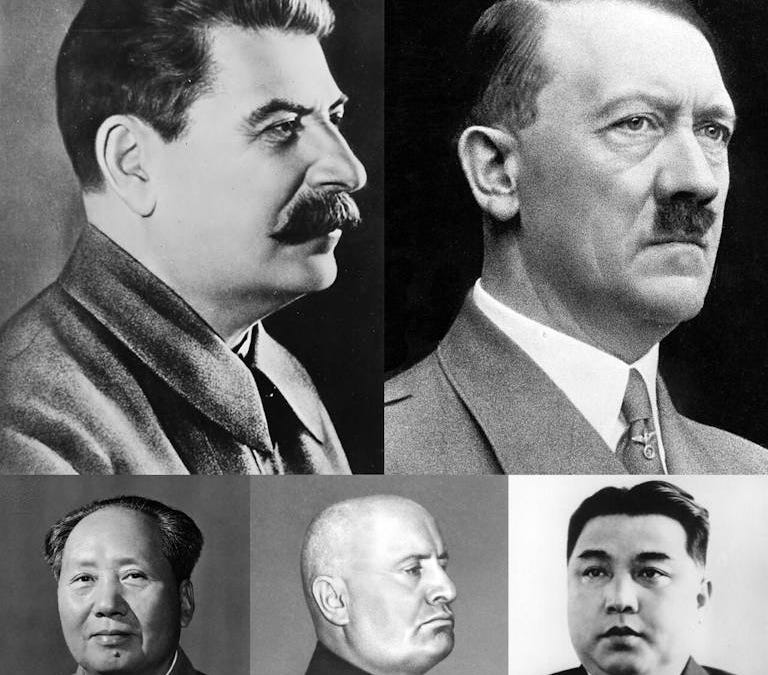
Hitler's regime was purpose-built for conquest and genocide — it could only keep killing or die. In this sense, the Holocaust, as horrifying as it was, was only the tip of the iceberg. It's not clear whether there has ever been another regime quite like Hitler's, even when we look back to the barbarity of premodern times.
2mo ago
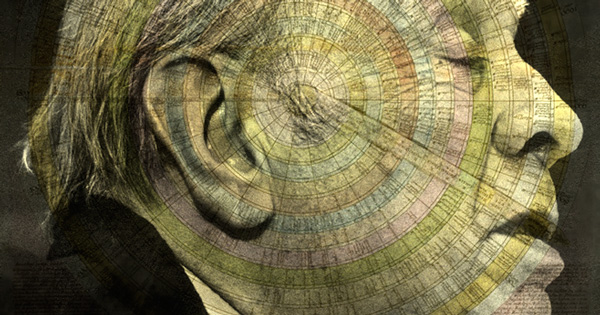
The vociferous catastrophes of a general order — fires, wars, epidemics — are one single pain, illusorily multiplied in many mirrors.
2mo ago
The savage in man is never quite eradicated. I have just read of a manthe other day picking up an arrowhead on the Assabet, and it suggested the same thoughts as if I had found it myself—that there is something very congenial between the sight of such an object and the human mind.
2mo ago

Nostalgia can be a toxic impulse, reactionary and uncritical, but it can also hold revolutionary potential for the future. Here, nostalgia is more than a self-soothing search for comfort; it's about engaging with loss, reconnecting with ideals that might improve the future.
2mo ago
We are all of us the debtors of the past. We did not make the language we speak, the roads we travel, the beds we sleep in, or the laws that protect us. We came to a table already spread, and it is only decent that we should leave it a little more abundantly furnished for those who come after us.
2mo ago
I had no idea that gold panning still happened in Britain, let alone that there was a British Gold Panning Association and a full calendar of competitions.
2mo ago
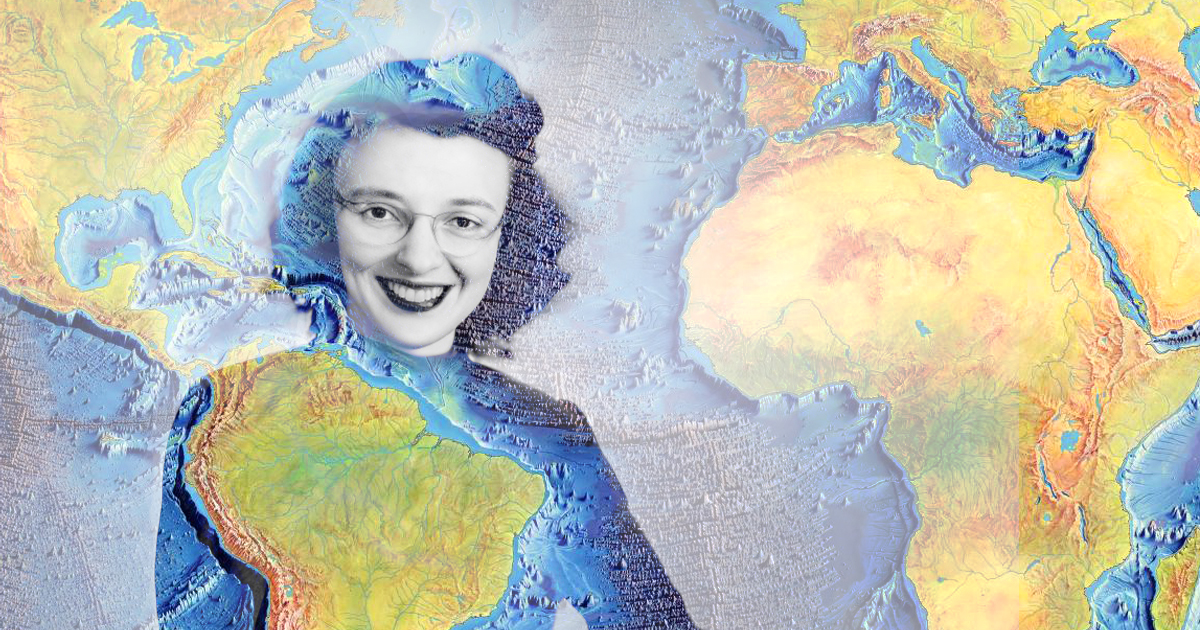
The plate tectonics model that would arise from her discovery would go on to change our understanding of life itself: Tectonic activity mixes surface and ocean chemistry, recycling elements to keep atmospheric carbon dioxide and global temperature stable, and is what allowed Earth's waters to remain liquid for the billions of years that complex life needed to evolve. Without it, we would have never risen from the oceans to measure the
2mo ago

Two hundred and fifty years seems like a long time, but it's just three peoples' lifetimes at current averages. It would have been six lifetimes back then, except the average American's life expectancy has doubled over the past 250 years.
2mo ago
The historian must not try to know what is truth, if he values his honesty; for, if he cares for his truths, he is certain to falsify his facts.
2mo ago
The greatest obstacle to discovery is not ignorance — it is the illusion of knowledge.
2mo ago

The most interesting idea is that countries become great powers due to their mastery of the most important technologies of the day — gunpowder, sailing ships, steam power, mass production, steel, the combustion engine, industrial chemicals, electricity, airplanes, and so on. It's also possible to imagine that leading nations fall behind due to technological disruption. Britain's industrial revolution made mercantile trade less pivotal as a source of national wealth, so the Netherlands fell behind.
2mo ago
The mark of the historic is that the present moment always will have been. What we do now is irrevocable—it joins the permanent record of what has occurred, and in that sense the past is the only thing that cannot be taken from us.
3mo ago
"Dear Mr. Benjamin Franklin," wrote a seventh grader from Winterville, Georgia. "In your time, the United States hardly existed. As I am writing this letter, it is almost the semi quincentennial, and BOY does the US exist now!"
3mo ago
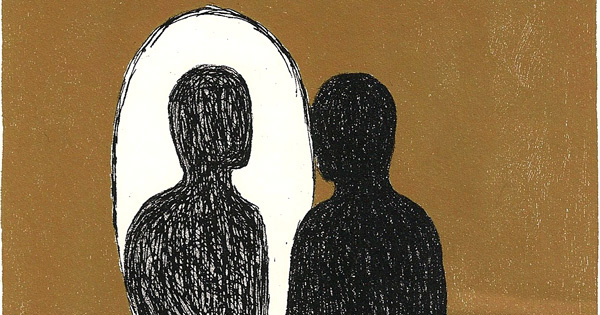
Characters formed within one society and living in circumstances where their dispositions are no longer needed — characters in time of great social change — are likely to be tragic. Their virtues lie useless or even foiled; they are no longer recognized for what they are; their motives and actions are misunderstood. The magnanimous man in a petty bourgeois society is seen as a vain fool; the energetic and industrious man in a society that prizes elegance above energy is seen as a bustling boor; the meditative person in an expansive society is seen as melancholic.
3mo ago
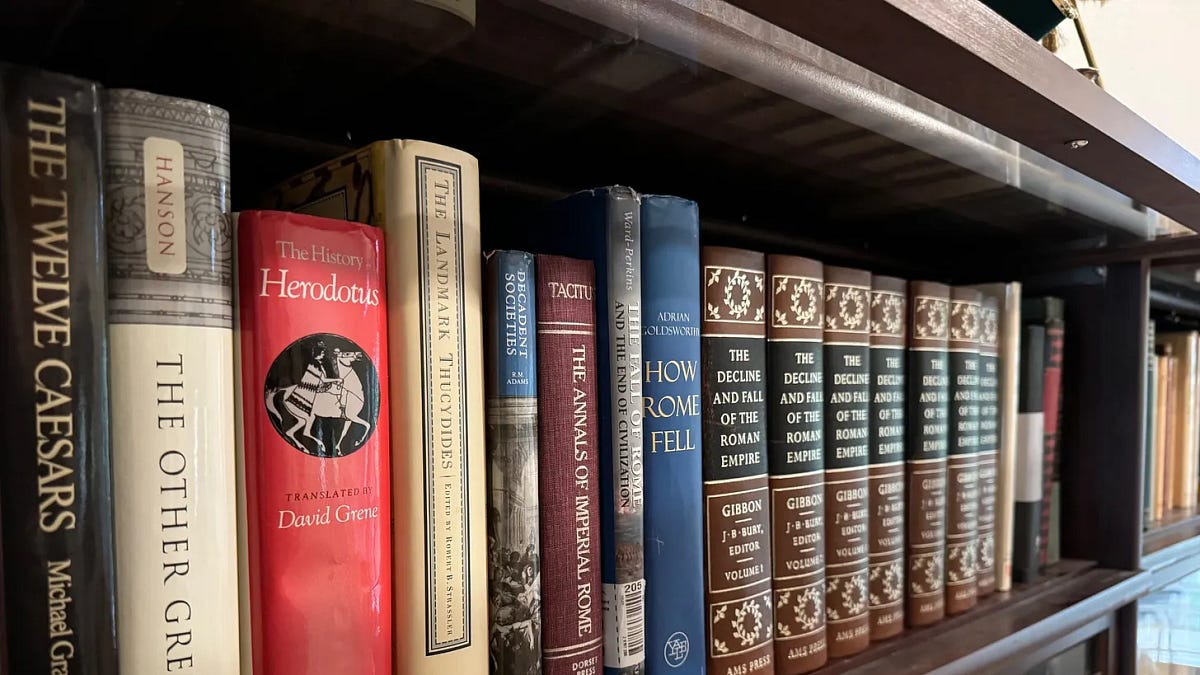
Simone Weil, building on this same insight, would tell you that the Romans became enslaved to their emperor because they had already accepted the legitimacy of slavery. They became subject to violence and domination because they had built their own empire on these values. What goes around comes around.
3mo ago
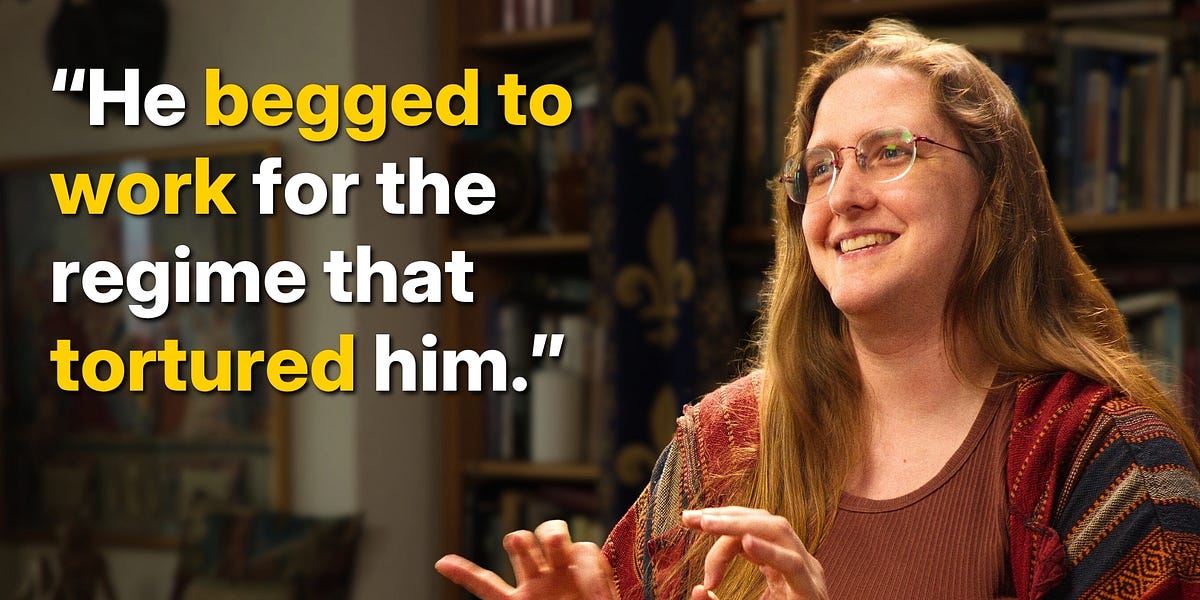
Machiavelli could have left exile and worked for any number of different principalities that would have been eager to make use of his talents. Instead, he decided to rot in the countryside and compile his career's lessons about power, politics, and human nature into a book he dedicated to the very man whose new regime had tortured and exiled him, Lorenzo di Piero de' Medici.
3mo ago
This was the Wild West of commercial aviation, after planes had been proven but when the Jet Age was still new and exciting.
3mo ago
The human race has had long experience and a fine tradition in surviving adversity. But we now face a task for which we have little experience, the task of surviving prosperity.
3mo ago
It is not the insurrections of ignorance that are dangerous, but the revolts of intelligence.
3mo ago
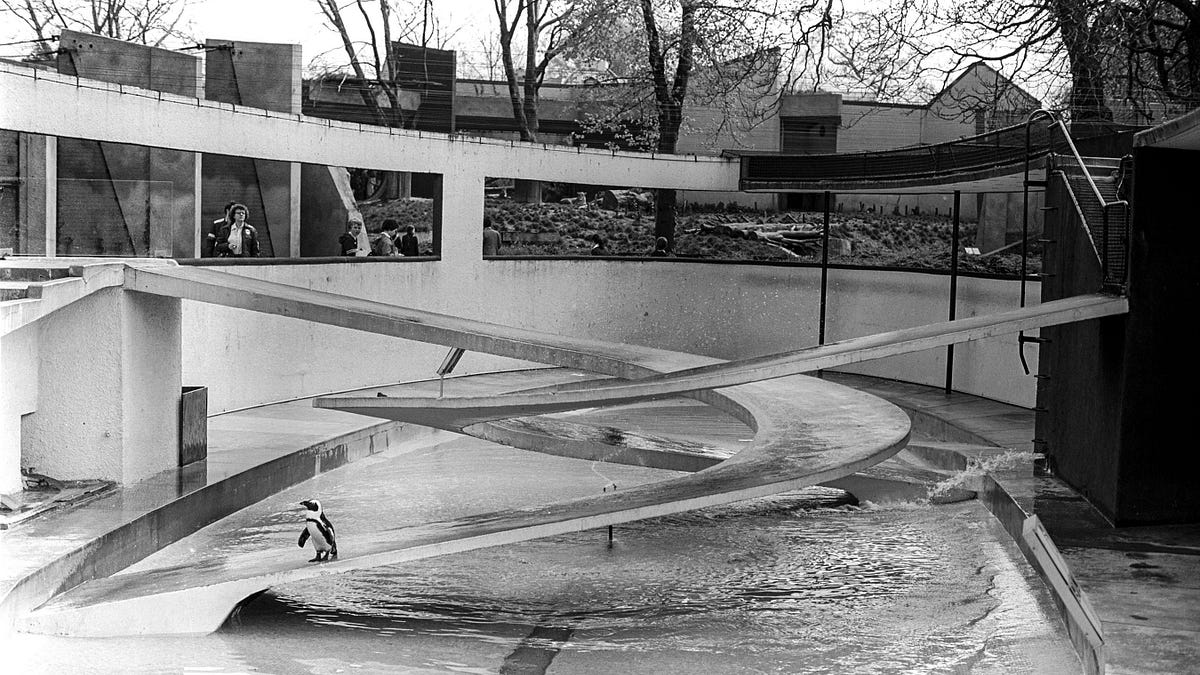
The writing, perhaps, was on the wall as early as 1970, when the Architect's Journal contacted Lubetkin to congratulate him on the pool becoming officially Grade-I listed, making it a criminal offence to damage or alter it. His statement? "My personal interpretation is that these buildings cry for a world which has never come into being."
3mo ago
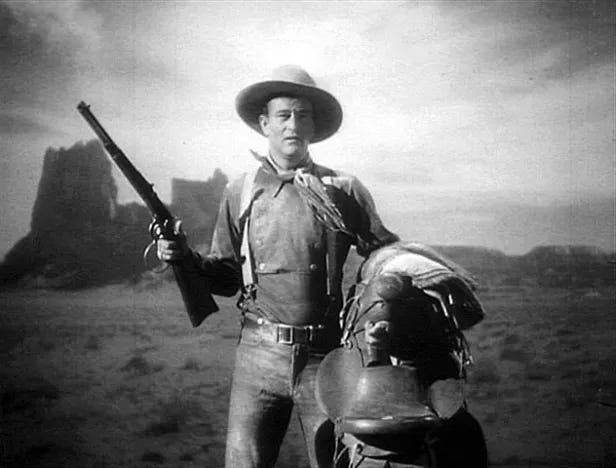
I finally came to embrace movies about the Old West because, I gradually realized, they define the grand American mythos, whether we like it or not. We have inherited these stories, and need to make sense of them—because they tell us things about ourselves that we won't learn any other way.
3mo ago
We are apt to think that our ideas are the spontaneous product of the mind working upon experience; but in truth our ideas are largely the inheritance of past thought, and the experience upon which they work is itself colored by inherited assumptions.
3mo ago
But no one, not even Einstein himself, imagined that this purely theoretical revolution would have practical applications that would alter the fabric of human life — relativity was the paragon of "useless knowledge."
3mo ago

Instead of rich and poor, high and low, they are to be classed, — First, by their sorrows... Secondly, all who have the same maladies... Thirdly, all who are guilty of the same sins, whether the world knows them or not; whether they languish in prison, looking forward to the gallows, or walk honored among men, they also form a class. Then proceed to generalize and classify the whole world together, as none can claim utter exemption from either sorrow, sin, or disease; and if they could, yet Death, like a great parent, comes and sweeps all through one darksome portal, — all his children.
3mo ago
A new scientific truth does not triumph by convincing its opponents and making them see the light, but rather because its opponents eventually die, and a new generation grows up that is familiar with it.
3mo ago
By the early nineteen-sixties, there was enough of this kind of thing going around that it caused both a panic and understandable excitement.
4mo ago
the history of how that history has been imagined, framed and written at different times by different people over the past 200 years is almost equally enthralling.
4mo ago

Selection went especially bonkers during the Bronze Age (around 3,000 years ago). That's when gene frequencies for everything from immune function to body fat to intelligence were most in flux. Over the last 10,000 years, selection pushed the genetic predictor of cognitive performance up by roughly a full standard deviation — most of it between 4,000 and 2,000 years ago.
4mo ago

Over the centuries, drinking has accrued pearly layers of significance, becoming a symbolic and cultural ritual.
4mo ago
I was trying to find the human side of history, and humans were often my best source. When I thought about Sacajawea in the Rockies, trying to keep her infant son alive, I thought about my own kids at that age—about my wife breastfeeding them, both parties always hungry, always thirsty.
5mo ago
Underscored — save the words that stop you in your tracks.
Start saving quotes →