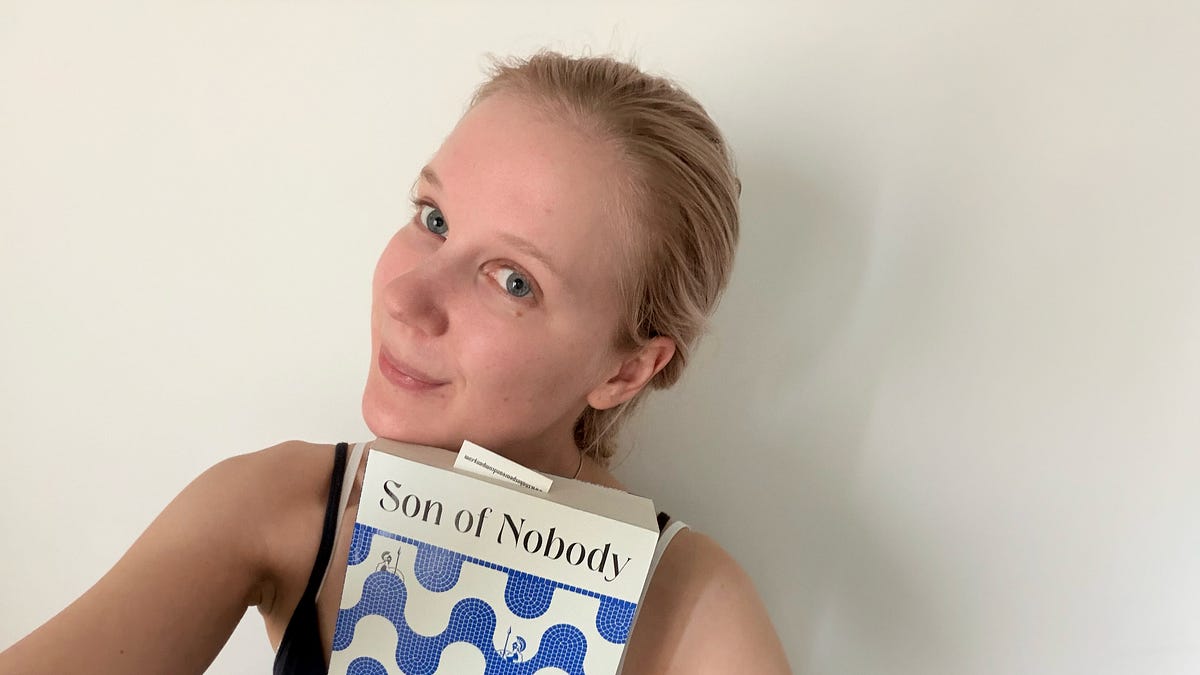
It is not the answer that enlightens, but the question. And to ask the right question is already to know the direction of the answer.
5d ago
No man can reveal to you aught but that which already lies half asleep in the dawning of your knowledge. The teacher who walks in the shadow of the temple, among his followers, gives not of his wisdom but rather of his faith and his lovingness.
1w ago
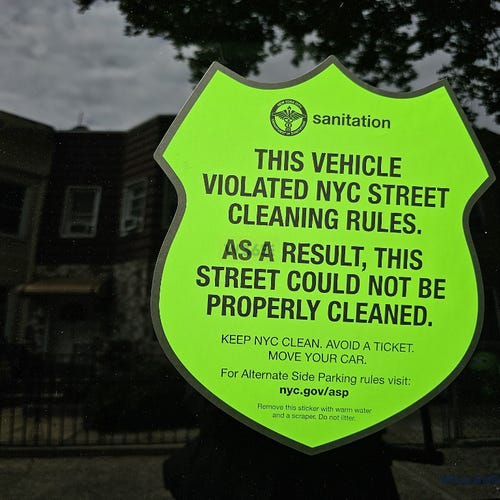
An American engineering student spent months visiting the heads of German factories ("the masters") to understand how they think.
1mo ago
We are more than half of what we are by imitation. The great point is to choose good models and to study them with care.
2mo ago
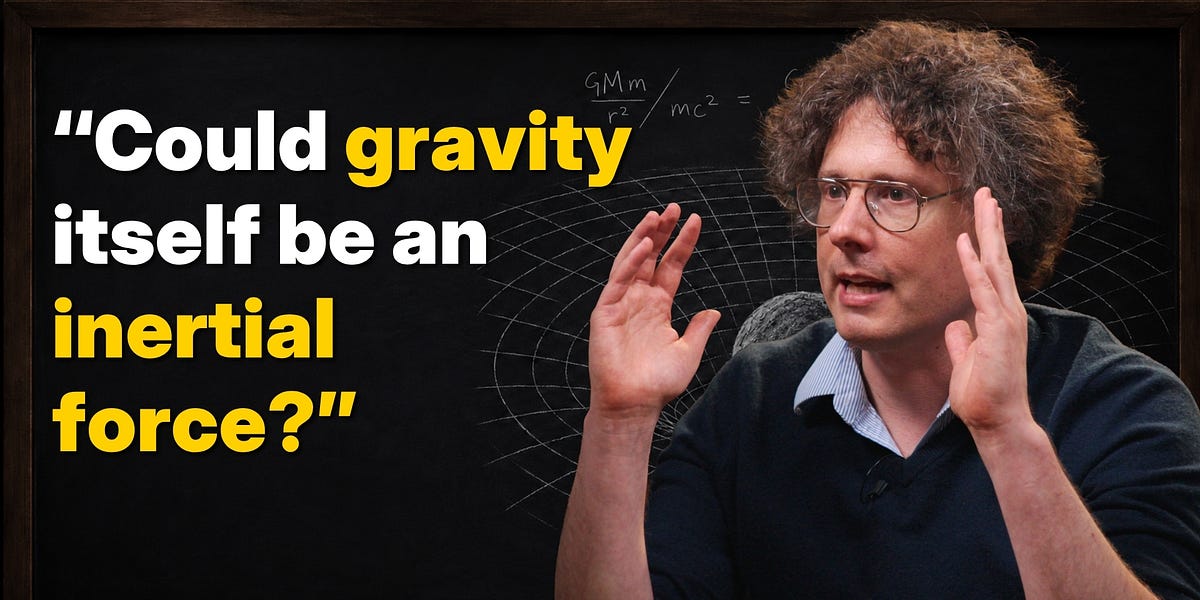
It took Einstein, one of the most famous minds in history, about a decade to figure it out. But when I teach it I'll do a 10-week course, and in 10 weeks people will get a better idea of general relativity than Einstein really had in 10 years. That's because we have an advantage that Einstein didn't have. We have Einstein, and many others like him going before us, who've been able to take these super complicated ideas—understood at the time as being totally incomprehensible by anybody with a sub-Einstein level of intelligence—and boil them down to their essentials, and not make many of the same mistakes that were made by our forebears.
2mo ago
The trick is to keep learning. If you stop learning, other people will pass you by. Temperament alone won't do it — you have to keep learning, because the world keeps changing, and you have to keep up with it and even get ahead of it.
2mo ago
A fact is not a truth until you love it.
2mo ago
Every act of conscious learning requires the willingness to suffer an injury to one's self-esteem. That is why young children, before they are aware of their own self-importance, learn so easily.
3mo ago
The best thing for your own mind is to be exposed relentlessly to smart people who disagree with you.
3mo ago
I've always thought it's so cool that the smartest person in the world on a topic I care about spends 2+ years of their life distilling their best ideas into an enjoyable read, and I can get this for just $20.
3mo ago
The best way to think about the future is to invent it. If you're unwilling to make mistakes, you're unwilling to try anything new, and you'll never learn.
3mo ago
The best way to get smart is to try to be a little smarter than you were the day before. And the way to do that is to recognize how much you don't know.
4mo ago
The mind of man may be compared to a musical instrument, and it requires to be tuned up and put in order before it can produce harmonious results.
4mo ago
The best way to get smart is to try to be a little smarter than you were the day before—and to do that, you have to know what you don't know.
4mo ago
We do not know what we may be able to do until we try, and we can never be certain beforehand that an experience is worth having until we have had it.
4mo ago
part of the magic of how kids learn is that they have less knowledge of what they're going to experience and fewer expectations about what's going to be relevant. They don't have that adult filter of strategically extracting things from their experience, and so they retain a lot of unexpected details that adults would find irrelevant. That allows them to be creative in ways that adults are not creative.
4mo ago
The mind, once stretched by a new experience, never returns to its original dimensions.
4mo ago
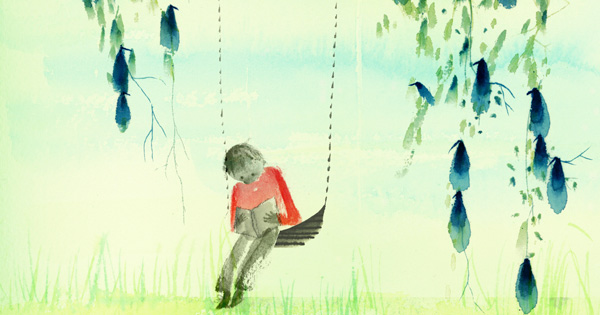
The best thing for being sad is to learn something. That is the only thing that never fails. You may grow old and trembling in your anatomies, you may lie awake at night listening to the disorder of your veins, you may miss your only love, you may see the world about you devastated by evil lunatics, or know your honor trampled in the sewers of baser minds. There is only one thing for it then — to learn.
4mo ago
The mind is not a vessel to be filled, but a fire to be kindled. And the worst thing you can do to a talented person is to prevent them from starting fires.
5mo ago
The mind of man is not a vessel to be filled, but a fire to be kindled.
5mo ago
A man may take to drink on account of trouble, but he would be none the better for the drinking; whereas, if he takes to reading, he will become wise.
5mo ago
The mind, once expanded by a new idea, never returns to its original dimensions.
5mo ago
The best thing you can do is to be a learning machine. You should go out of your way to try to be wrong and to seek disconfirming evidence.
5mo ago
The mind is furnished with a set of instincts which seek out certain kinds of phenomena and are apathetic to others, until education and experience have taught it to attend to every thing that may be of consequence.
5mo ago
The mind does not work by starting from universal principles and deducing particular applications. It works the other way, by grasping the concrete particular and then working up to general ideas.
5mo ago
It will disturb your pre-established understanding of the world and offer a subtler, richer, deeper experience of reality.
5mo ago

During the pandemic, Australia was closed to the world, international and domestic borders closed for nearly two years. WITI gave me the opportunity to time travel all over the globe.
5mo ago
The best investment you can make is in yourself. But most people won't because it requires delayed gratification—you must become a student of your own ignorance.
6mo ago
The chief wonder of education is that it does not destroy the mind of the pupil at all. When one considers the usual methods of teaching, this is indeed extraordinary. Yet it does happen, and I should say that in nine cases out of ten it happens by accident.
6mo ago
The best thing a human can do is to help another human being know more. It's even better than making money.
6mo ago
The mind, once stretched by a new idea, never returns to its original dimensions.
6mo ago
The man who does not read has no advantage over the man who cannot read.
6mo ago
Since then, when I hear a song that I really love, if I have the aptitude to try and learn it, I usually do. And it's because of the same impulse. I want to feel what it feels like to make that song go.
6mo ago
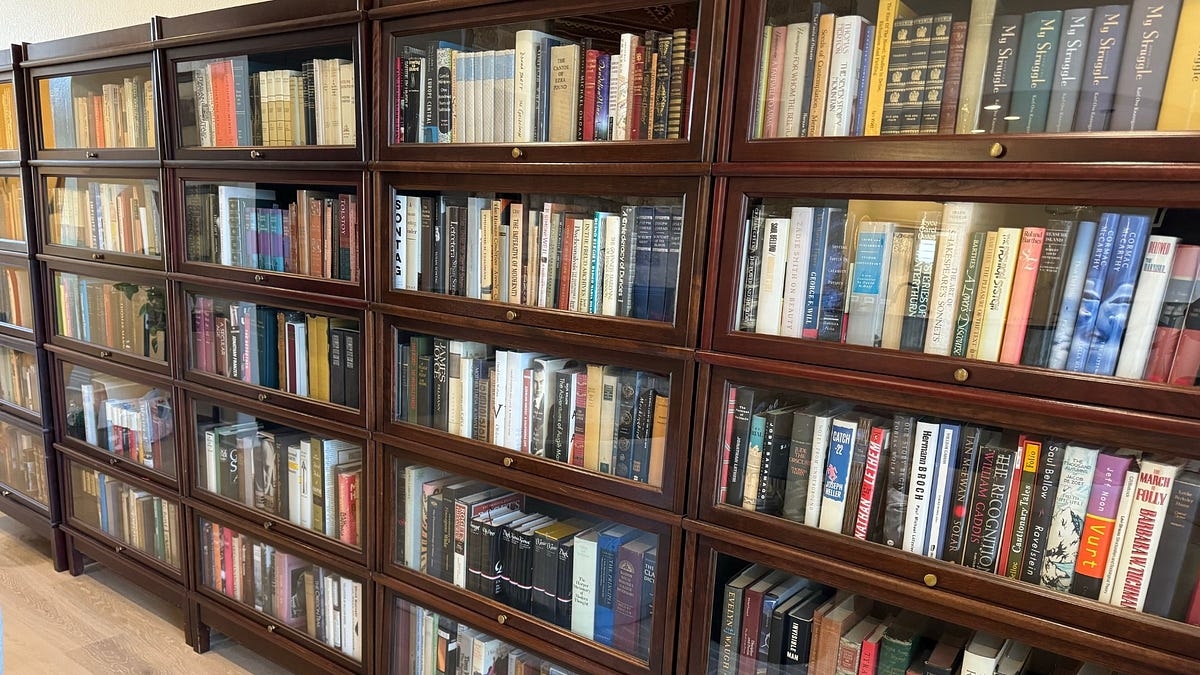
I decided at age 13 that I would read books to attain wisdom—and I've kept it up ever since. I got all those other benefits—job skills, entertainment, etc.—along the way. Even more interesting, I gained a powerful but intangible benefit from these tens of thousands of hours devoted to good books.
6mo ago
The mind is not a vessel to be filled, but a fire to be kindled.
6mo ago
I decided at age 13 that I would read books to attain wisdom—and I've kept it up ever since. Maybe that sounds absurd when mentioned so baldly. But here's the strange thing: I got all those other benefits—job skills, entertainment, etc.—along the way.
6mo ago
I decided at age 13 that I would read books to attain wisdom—and I've kept it up ever since. But here's the strange thing. I got all those other benefits—job skills, entertainment, etc.—along the way.
6mo ago
I decided at age 13 that I would read books to attain wisdom—and I've kept it up ever since. Maybe that sounds absurd when mentioned so baldly. So go ahead and laugh if you want. But here's the strange thing. I got all those other benefits—job skills, entertainment, etc.—along the way.
6mo ago
Underscored — save the words that stop you in your tracks.
Start saving quotes →