The best way to think about the future is to invent it. Most people don't like to think about the future because they're not sure they can control it, but if you invent it, then you've already thought about it.
23h ago
The mind is furnished with a set of instincts which seek out certain kinds of phenomena and are angered by their absence and appalled by alien forms; which love them when found, but will have none of them when not directly forced upon us.
The best way to think about the future is to invent it. Most people don't like to think about the future because they're not sure they can control it, but if you invent it, then you've already thought about it.
The best way to get smart is to try to be a little smarter than you were the day before—and to do that, you have to know what you don't know.
The mind of a thoroughly well-informed man is a dreadful thing. It is like a bazaar overcrowded with cheap wares, all one's attention is perpetually distracted by some new and startling suggestion.
The best way to think about the future is not by extrapolating the past, but by understanding what's actually changing and what isn't.
The best way to get smart is to try to be a little smarter than you were the day before. But the way to get rich is to try to be a little richer than you were the day before.
The opposite of a correct statement is a false statement. But the opposite of a profound truth may well be another profound truth.
The best way to think about the future is not by extrapolating the past, but by understanding incentive structures and what they reward. Most people get this backwards.
We are not thinking of the future as we should be. We think of it as if it were a place we are going to, when in fact it is a place we are making.
The difference between a great business and a mediocre one is often that the great business keeps compounding capital at high rates of return for decades, while the mediocre business cannot. Most people underestimate how powerful this difference becomes over time.
The best investment is in the business that compounds the fastest while requiring the least reinvestment. Most people focus on the first part and ignore the second, which is why they end up with businesses that eat cash.
The investing world is full of 'smart' people. But intelligence is not the limiting factor. The limiting factor is temperament. You need the temperament to be able to think and act independently.
The difference between a competent person and an incompetent one is often that the competent person has made all the mistakes that can be made in their field.
The great thing about the public markets is that they give you a daily opportunity to think about what your business is worth. The terrible thing about it is that you can act on it.
We accept the verdict of the past until the need for change cries out loudly enough to force upon us a choice between the comforts of inertia and the necessity of action.
The mind of a thoroughly well-informed man is a dreadful thing. It is like a bazaar overcrowded with all sorts of goods, each clamoring for attention.
The investor of today does not profit from yesterday's growth. You must study where the world is heading, not where it has been. Most people are heavily invested in the past.

why judgment becomes more valuable as routine work gets automated, and how to build the prioritization muscle required to move faster, stay focused, and make better decisions when everything is changing.
part of the magic of how kids learn is that they have less knowledge of what they're going to experience and fewer expectations about what's going to be relevant. They don't have that adult filter of strategically extracting things from their experience, and so they retain a lot of unexpected details that adults would find irrelevant. That allows them to be creative in ways that adults are not creative.
We are dying from civilisation and its discontents; we have invented the machine, and now the machine is reinventing us. We must learn to think in a new way, or perish.
The best decisions come from understanding what you don't know. Most people spend their time trying to be right about what they think they know, when they should be figuring out what they're wrong about.
The mind, once stretched by a new experience, never returns to its original dimensions.
The difference between a competent person and an incompetent one is often that the competent person has learned how to recognize and avoid the standard modes of self-deception.
The difference between a wise decision and a foolish one is often not apparent until years later. What matters is the quality of your thinking at the time, not whether you got lucky.
The mind of a thoroughly well-informed man is a dreadful thing. It is like a bazaar overcrowded with cheap wares, all of them perhaps useful or insignificant, jostling against each other and preventing the customer from getting what he really needs.
The big money is not in the buying and selling, but in the waiting. You have to be willing to hold. Most people aren't.
The best armor is to keep out of cannon shot.
To know the world one must construct it. One does not go for a walk in order to walk but to construct the world at each step.
The human mind is a dark forest, full of wild life and monsters. We do not know what is in there. We do not know how we think.
The mind is furnished with a set of instincts which seek out certain kinds of phenomena and are angered by their absence and impatient of delay in their arrival. It is the absence of the phenomena, not their presence, which is the true cause of the intellectual excitement we feel.
The principle of parsimony suggests that entities should not be multiplied beyond necessity; yet in the study of human nature, we continually discover that the simple explanation was merely the one we had grown comfortable defending.
The best time to think about the exit is before you start the company. If you don't know why you're building something or what success looks like, you'll never achieve it.
The mind is furnished with a set of instincts which seek out certain kinds of phenomena and to avoid others, to make much of some impressions, little of others. It is thus a subjective instrument, and bears the stamp of subjectivity upon all it apprehends.

To understand the significance of someone running a marathon in less than two hours, you also need to understand that, until recently, the notion of this actually happening was truly, utterly absurd.
The big money is not in the buying and selling, but in the waiting. You have to sit on your ass and do nothing.
The best way to think about the future is not by extrapolating the past, but by understanding what wants to happen and then asking yourself, 'Am I going to help it happen, or am I going to hinder it?'
The mind of a thoroughly well-informed man is a dreadful thing. It is like a bazaar encumbered with rich but cumbersome and never to be used articles.
The mind is furnished with a set of instincts which seek out certain kinds of phenomena and ignore the rest. The immediate fact which the science of logic has to take account of is that certain material is presented, certain aspects of this material are noted and emphasized.
The best ideas are often dangerous ideas. You're not supposed to think them. And if you do, you're not supposed to say them. But the truth doesn't care about your comfort.

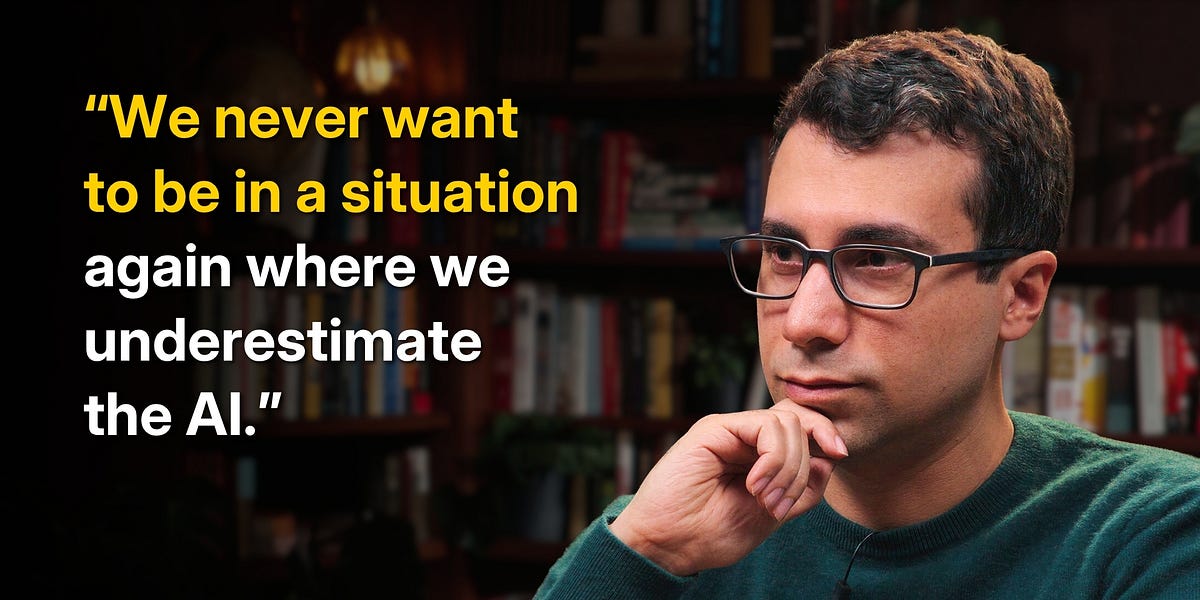
We tend to conflate power-seeking AI and superintelligent (in science and tech) AI. I'm not denying that AI can be power-seeking. Whatever skills and drives Donald Trump has could be embodied in a digital mind. I'm simply pointing out that the way we're currently making AI systems smarter (training them to be really good coders, thought partners, and general coworkers) is not that strongly correlated with power.
The best way to think about the future is not by extrapolating the past, but by understanding the incentive structures and constraints that will shape decisions.
The primary cause of failure in leadership is that men do not think enough. They trust to their memories and their passions, and act from them, when they ought to consult their understandings.
The best investment is in yourself. But the second-best is almost always in a business that does something you understand, run by people you trust, at a price that makes sense.
The mind is furnished with a set of instincts which seek out certain kinds of phenomena and are indifferent to others, remaining by nature blind to facts that are uncongenial to them.
The mind is furnished with a set of instincts which seek out certain kinds of phenomena and are on the alert for them, and especially apt to be lively and to produce the感 of reality whenever they are stimulated.
The best way to think about the future is not by extrapolating the past, but by understanding what must be true about the future and then figuring out how we get there.
We do not think in words alone. We think in images, in sensations, in the movement and flow of muscle and nerve. Yet we must clothe our thought in words to communicate it, and so our words always betray the living truth a little.
The task, then, is not so much to see what no one has yet seen, but to think what nobody has yet thought about that which everybody sees.

worry is not driven by any specific fear, such as the fear that you might lose your job or a loved one may fall ill. Instead, they proposed, worry is driven by the inability to tolerate uncertainty itself.
The best ideas have some magical quality where one day they seem impossible, and the next day they seem inevitable. The hard part is being in the room when the transition happens.
Underscored — save the words that stop you in your tracks.
Start saving quotes →