We are all such accidents. We do not make up history and culture. We simply appear, not even as random as that, for we are each the result of one particular egg meeting one particular sperm, when so easily it might have been another.
6d ago
The sailor does not control the sea, nor does the saint control his conscience. They are what they are; and for that very reason there is a wall between them and the things they move through, which can never be dissolved while they live.
We are all such accidents. We do not make up history and culture. We simply appear, not even as random as that, for we are each the result of one particular egg meeting one particular sperm, when so easily it might have been another.
It is not reason that gives us our moral principles; it is feeling. Reason is the slave of the passions, and ought only to be so.
It is not from the benevolence of the butcher, the brewer, or the baker that we expect our dinner, but from their regard to their own interest. We address ourselves, not to their humanity but to their self-love, and never talk to them of our own necessities but of their advantages.
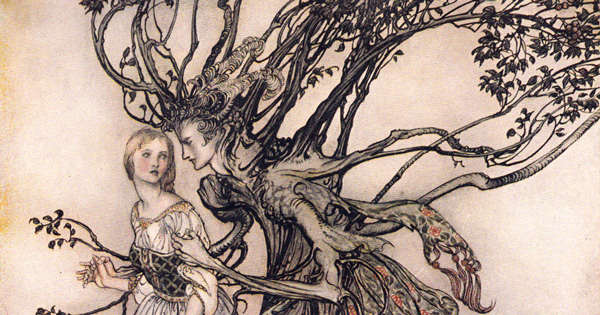
The human spirit has a primal allegiance to wildness, to really live, to snatch the fruit and suck it, to spill the juice. We may think we are domesticated but we are not.
The healthy man does not torture others. Generally it is the tortured who turn into torturers.
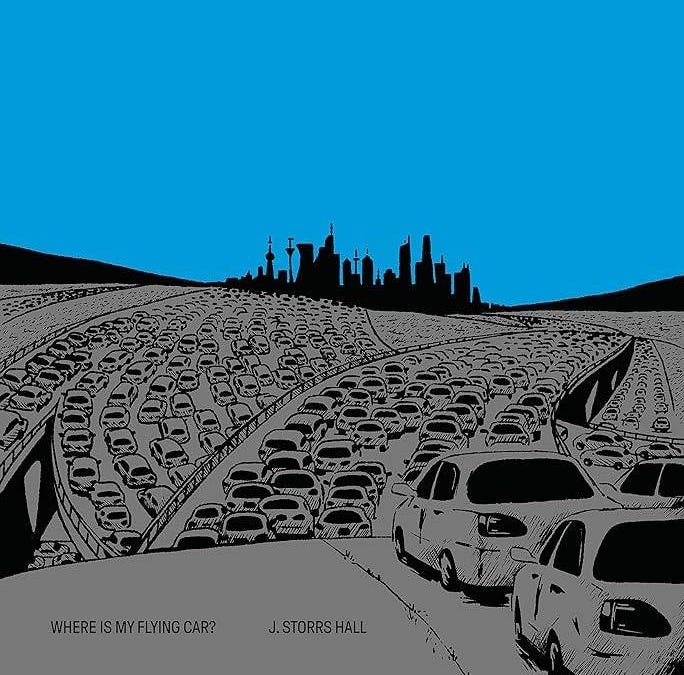
If we had flying cars, we'd enjoy the thrill for a few weeks, and then we'd be back to tweeting on our phones and wondering when the trip would be over.
The thing about man is that he knows what he is only after he has wasted most of what he had. Self-knowledge is the end of man, not his beginning; we arrive at it as exiles return to a country they have never seen.
Every invalid is a physician. What does it matter that his prescriptions are all for himself?
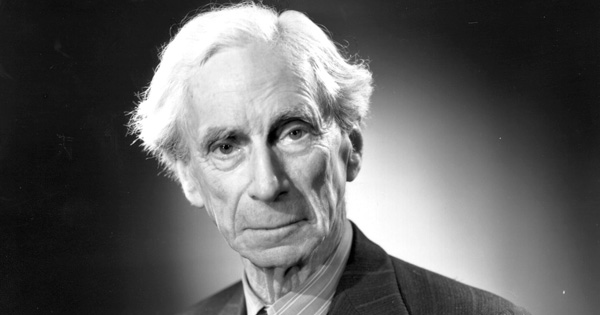
The world would be a happier place than it is if acquisitiveness were always stronger than rivalry. But in fact, a great many men will cheerfully face impoverishment if they can thereby secure complete ruin for their rivals.
We are what we are because we have been what we have been, and what is needed for solving the problems of human life and morals is not the wish to extinguish the past, but a better understanding of it.
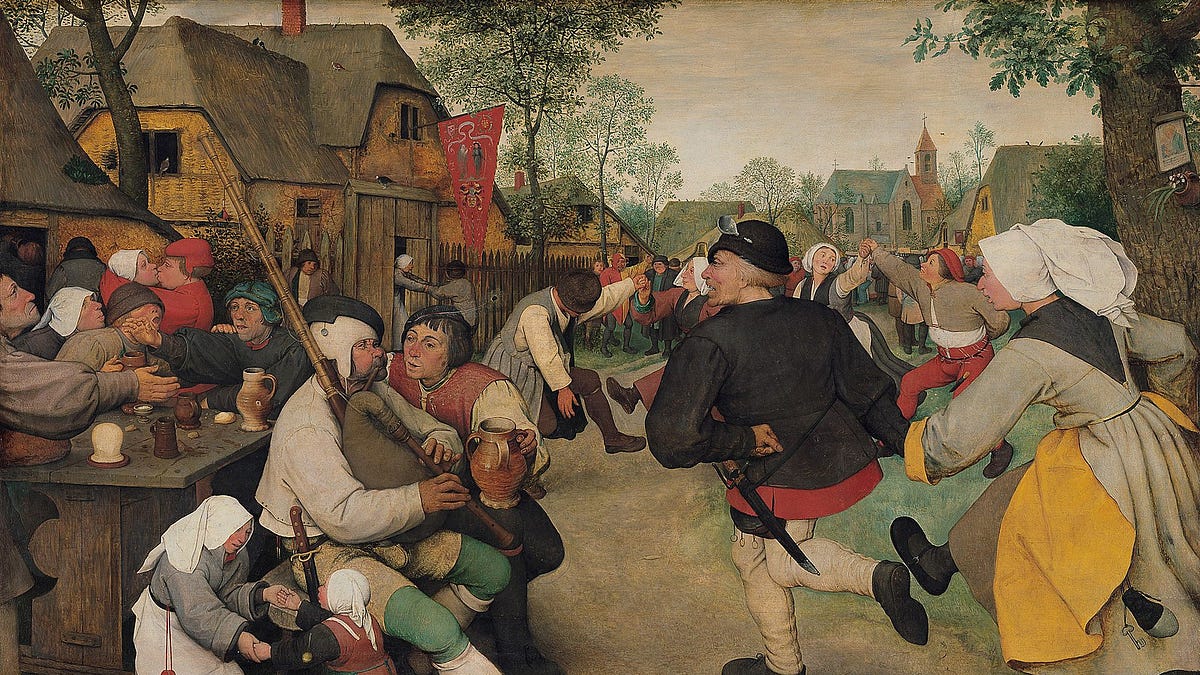
According to anthropologist Andrea Migliano's survey of 300 members of a hunter-gatherer tribe in the Philippines, she asked each respondent to pick five people they would want as companions if they were setting up a new community. She expected that they would choose the best hunters. Or maybe the strongest or the best at building. Or perhaps the best healer or the smartest leader. Instead they preferred the best storytellers.
We are always in search of the redeeming quality or deed that shall make us satisfied with our own evil and ours is a life that is not to be separated from the evil to which it gives birth.
We are faces of the same soul, brothers in one splendid body, and our quarrel is the fever of our blood; it will pass. But what we are building will not pass.
The demand of the loveless and the serving for love is written over every page of social history; but few of us are brave enough to read the script.
The universe is not required to be in perfect harmony with human ambition. And yet the history of science is largely the history of our stubborn insistence that it must be.
We are accustomed to see men deride what they do not understand, and snarl at the good and beautiful because it lies beyond their sympathies.
We are all of us the living graves of extinct beasts, and often the beast stirs in us and utters some old, forgotten note that sends strange vibrations through the framework of our being.
We are all of us richer than we think we are; but we are taught to borrow and to beg, and brought up more to make use of what is another's than of our own.
It is not enough to have a good mind; the main thing is to use it well. And the greatest souls are capable of the greatest vices as well as of the greatest virtues.
We are double-edged blades, and every time we whet our virtue the return stroke straps our vice.
We are all of us the worse for too much liberty, and the better for a master hand over us at times; yet we struggle with all our might against that master hand when it is laid upon us.
Instead of rich and poor, high and low, they are to be classed, — First, by their sorrows: for instance, whenever there are any, whether in fair mansion or hovel, who are mourning the loss of relations and friends, and who wear black, whether the cloth be coarse or superfine, they are to make one class. Secondly, all who have the same maladies, whether they lie under damask canopies or on straw pallets or in the wards of hospitals, they are to form one class. Thirdly, all who are guilty of the same sins, whether the world knows them or not; whether they languish in prison, looking forward to the gallows, or walk honored among men, they also form a class.
The chemist who can extract from his heart's elements compassion, respect, longing, patience, regret, surprise, and forgiveness and compound them into one can create that atom which is called love.
The universe is not required to be in perfect harmony with human ambition. It is indifferent to our need for certainty, and it is precisely this indifference that makes the pursuit of understanding so urgent.
The creative act, which is the absolute antithesis of mere reaction, will forever elude the human understanding. It can only be described in its manifestations; it can be obscurely sensed, but never wholly grasped.
We are always making gods of those who are indifferent to us, and martyrs of those who love us.
Heroes are expected to be flawless. Villains are allowed to be human. Audiences may not always like them, but they remember them and connect with their flaws.
The most violent appetites in all creatures are lust and hunger; the first is a perpetual call upon them to propagate their kind, the latter to preserve themselves. It is strange that the most brutal of passions should be the most spiritual.
The savage in man is never quite eradicated. I have just read of a manthe other day picking up an arrowhead on the Assabet, and it suggested the same thoughts as if I had found it myself—that there is something very congenial between the sight of such an object and the human mind.
It is not enough to have a good mind; the main thing is to use it well. And the greatest minds are capable of the greatest vices as well as the greatest virtues.
It is not the healthy who need a doctor, but the sick. I have not come to call the righteous, but sinners — yet what is health but the name we give to our present ignorance of what ails us?
The universe is not cruel, nor is it kind — it is simply what it is, and we are the creatures who discovered sorrow by learning to want what it cannot give us.
The demand of the loveless and the self-imprisoned that they should be allowed to age and die in the same prison is mocked by nature, which proceeds by ceaseless mutation and transformation.
You're learning now that you do not inhabit a solid, reliable, social structure — that the older you get people around you are worried, moody, goofy human beings who themselves were little kids only a few days ago. When things go well for days on end, it is an hilarious accident. Those years weren't lost. They simply weren't the way I'd planned them.
We are more sensible of what is done against custom than against nature.
It is not enough to have a good mind; the main thing is to use it well. And the greatest souls are capable of the greatest vices as well as the greatest virtues.
It is not by sitting still at a grand distance and calling the human race larvae that a man gets to know anything about them.
We are all instruments endowed with feeling and memory. Our senses are so many strings that are struck by surrounding objects and that also frequently strike themselves.
But I often remind myself that the topics that make people uncomfortable are usually the ones that matter the most. So instead of backing away, I did the only thing I know how to do — I tried to understand. I saw the mask drop, and for a brief moment, the polished answers disappeared, and I got to see the real person underneath.
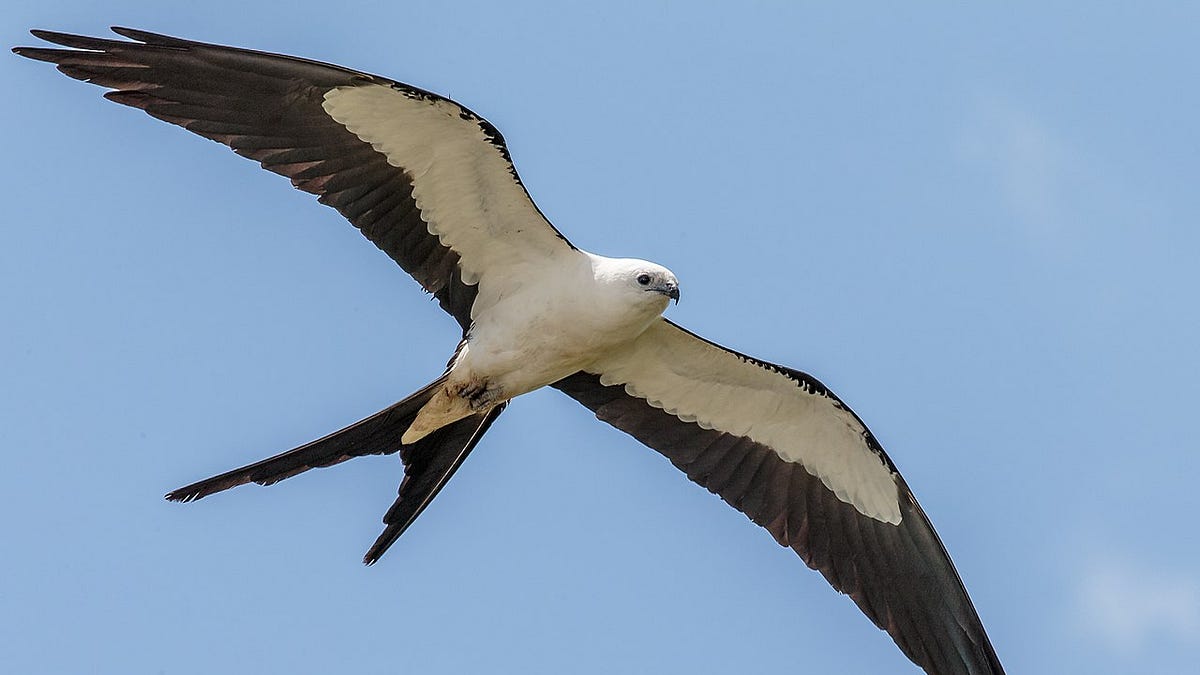
We've made machines that can fly faster and farther than the swallow-tailed kite, but in no way does it follow that the kite should cease from its flight or that it is somehow diminished because of the advent of flying machines. That there is something else in the world that flies tells us nothing about whether the kite ought to fly.
We are dying from civilisation and its discontents; we have invented the machine, and now the machine is reinventing us.
The mind is furnished with a set of instincts which seek out certain kinds of phenomena and are angered by their absence and immediately go in search of them.
The true paradox of the machine is that it was created to serve man, yet it has enslaved him to its rhythms and demands; we have made ourselves the appendages of our own inventions.
The mysterious fact about the human being is that he is not content to be a human being—he wants to be a human being plus something else. He wants to transcend himself, and the usual way he tries to do this is to become part of an even larger organism, a social group.
The mind is furnished with a set of instincts which seek out certain kinds of phenomena and are angered by their absence and appalled by alien forms; which love them when found, but will have none of them when not directly forced upon us.
The human mind is a dark forest, full of wild life and monsters. We do not know what we are, we can only see small lights in the forest of our unconsciousness, as it were luminous, phosphorescent flowers and night-blossoms.
We are dying from civilisation and its discontents; we have invented the machine, and now the machine is bent on inventing us.
The paradox of our time is that although we now know that consciousness itself is a full-body phenomenon, we have continued our campaign of denying the animal nature of the human animal by negating the significance, the relevance, the very fact of the body.
We are dying from civilisation and its discontents; we have invented the machine, and the machine now invents us. We do not live, we are lived.
Underscored — save the words that stop you in your tracks.
Start saving quotes →