The biggest investing errors come not from factors that are informational or analytical, but from those that are psychological. Investors with no knowledge of (or interest in) a company's merits buy because the price is rising.
1d ago
Risk means more things can happen than will happen. The gap between those two things is where most investment mistakes are made — not from bad analysis, but from assuming the future is narrower than it actually is.
The biggest investing errors come not from factors that are informational or analytical, but from those that are psychological. Investors with no knowledge of (or interest in) a company's merits buy because the price is rising.
Most people think that finding a hot stock is investing. Finding a stock that is cheap is not enough; you also need a catalyst — something that will actually cause the price to reflect the value. Without a catalyst, you can be right and still lose money for years.
Most people think diversification means owning many things. But the real diversification that matters is diversification across time — being able to survive long enough that the math works in your favor. Staying power is the asset most investors forget to buy.
The difference between a good business and a bad business is that good businesses throw up one easy decision after another. The bad ones give you horrible choices — decisions where every option has a serious downside.
AI is thematic ZIRP. To any layperson, the AI boom is another case of infrastructure overbuild that ignores product commodification and falling barriers to entry. But long-dated binary outcomes of incalculable extremes are protecting a broad subset of investors from multiple compression.
Most people think that if they just had more information, they'd make better decisions. But the limiting factor is almost never information — it's the willingness to act decisively on incomplete information while others are still waiting for certainty that will never come.
The market can stay irrational longer than you can stay solvent, but the deeper truth is that most investors go broke not from bad timing but from borrowing money to express a correct opinion too early. Leverage transforms a right idea into a ruin.

The lesson is not that agents need approval for everything. It is that they should act independently on low-risk work and involve a human when the consequences are meaningful.
The trouble with most people is that they think with their hopes or fears or wishes rather than with their minds. The investor's chief problem — and even his worst enemy — is likely to be himself.
Diversification is protection against ignorance. It makes very little sense for those who know what they're doing.
The biggest returns in investing come not from picking the right answer, but from surviving long enough to be right. Time is the only factor that can't be faked, borrowed, or optimized away.
The best investors I've known don't just have high IQs — they have the rare ability to sit with unresolved questions for years without being compelled to act. Premature certainty is the enemy of superior returns.
Invest in a business any fool can run, because someday a fool will. If it won't survive that, it's not much of a business.
We are more ready to try the untried when what we do is inconsequential. Hence the remarkable fact that many inventions had their birth as toys.
Leverage buyouts taught me that the real risk isn't paying too much — it's being wrong about the durability of the cash flow. A business that earns steadily through recessions is worth almost any price; one that merely looks cheap in a boom is a trap dressed as an opportunity.

One of the most important takeaways of The Hugging Face Incident is that agents are more useful for attacking infrastructure than in defending it. While in theory defenders know the code, their number one job is to not break things; for attackers breaking things is the point.
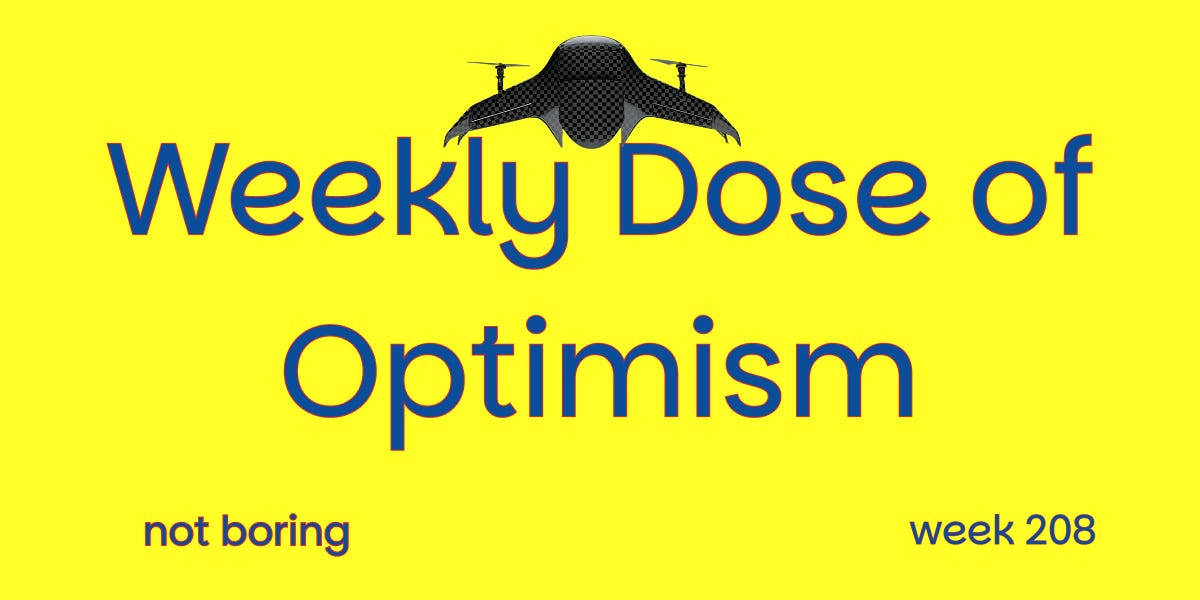
Over 55% of US soldier casualties in the two Iraqi conflicts are from ambushed convoys. And convoys move ammo, water, and fuel. So if you could put a reactor in one of these locations, you completely remove all those fuel shipments, you save tens of thousands of lives.
The dealer's hand is the most important hand at the table, yet most investors spend all their time analyzing the other players. In markets, you must understand what the seller knows that you don't — not just what you believe the asset is worth.
Most people think of risk as the probability of losing money. But the real risk is the permanent impairment of capital — a temporary price decline is not a loss unless you sell. The investor who confuses volatility with risk will systematically sell at exactly the wrong moment.
Mimicking the herd invites regression to the mean. As a truly active manager, if you're not making bets that look wrong to most people most of the time, you're not doing your job.
Investors have been so oversold on diversification that fear of putting too many eggs in one basket has caused them to put far too little thought into individual eggs. Diversification is a hedge against ignorance, nothing more.
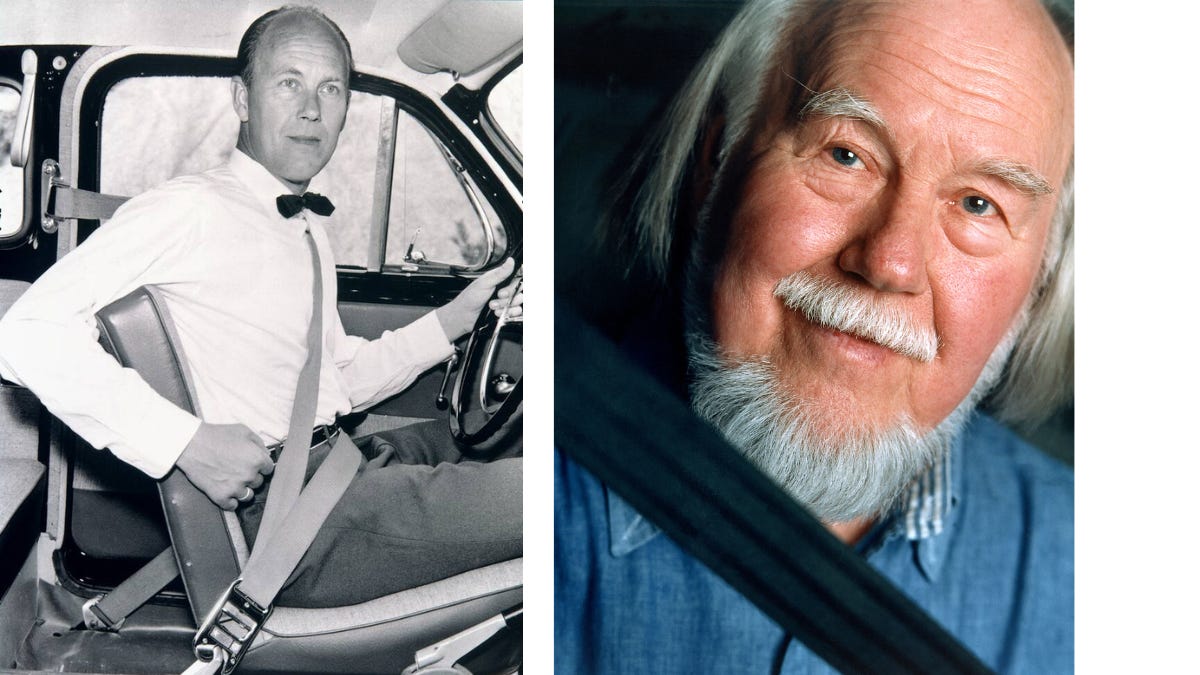
The car was never actually declared safe, per se. It was just always safer than the last one, based on what reality had reported back.
The idea that a bell rings to signal when investors should get into or out of the market is simply not credible. After nearly fifty years in this business, I do not know of anybody who has done it successfully and consistently. I don't even know anybody who knows anybody who has done it successfully and consistently.
If 'pacing' becomes necessary, we think it should consist of two parts: first, specifying thresholds for when automated AI R&D is likely to pose severe risks; and second, if a threshold is exceeded, incentivizing AI companies to reallocate resources away from the most risky research, and towards activities that make further automation safer, or diffuse the benefits of existing AI faster. Without preparation now, however, our preferred pacing strategy will be impossible to implement.
The market can stay irrational longer than you can stay solvent, but the deeper danger is that you'll convince yourself the irrationality is actually insight — that your losing position is just the world catching up to your genius.
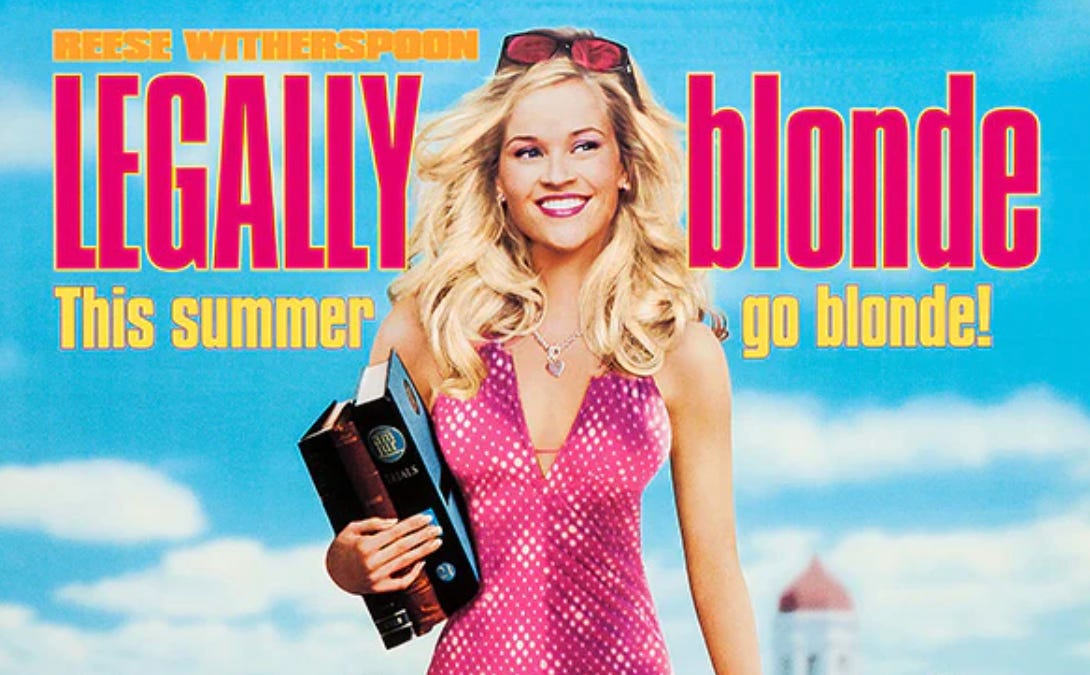
The ten most shorted investment grade bonds are now all linked to AI. Bonds don't get mentioned much by the mainstream media, but they will now determine the future of Silicon Valley—which increasingly spends more cash than it brings in. When you borrow too much, you lose control of your destiny.

So in a plot twist of a decision that went all the way up to co-founder and CEO Daniel Yanisse, the Checkr team did something a little crazy. "Let's continue playing the game with him," Yanisse told the team. They decided to offer Ulysses a job.
Most people think of risk as the probability of losing money. But the real risk is that you'll be forced to sell at the wrong time — that circumstances, not judgment, will determine your outcome. Volatility is only dangerous if it can compel you to act.
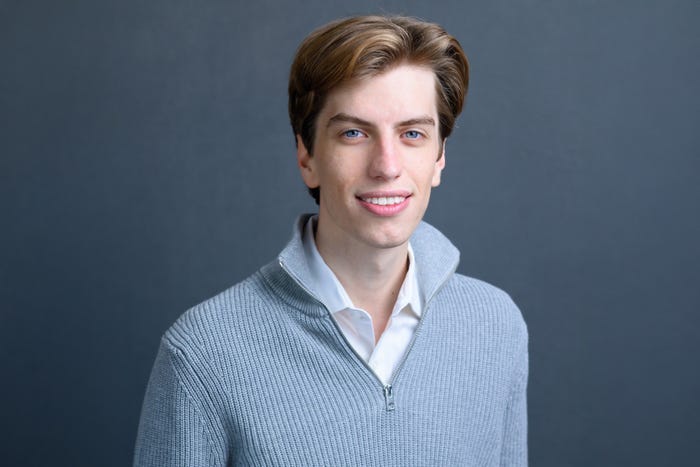
He essentially turned $200 million into $45 billion in two years, given back in a month and I'm not even clear what's left or what's next.
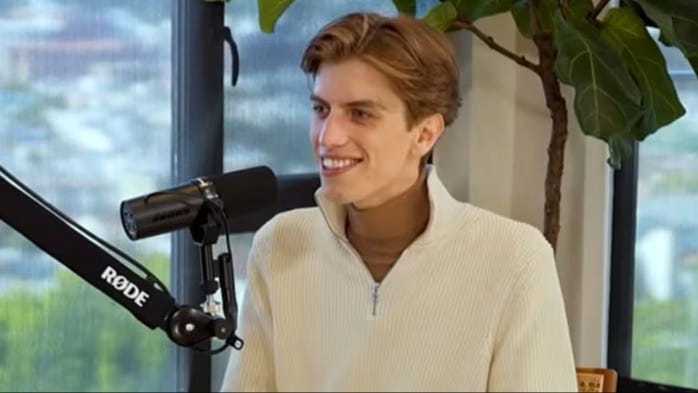
He made for them a lot of money absurdly quickly and, on the first drawdown, took the pratfall himself. There's not much new information here. It's just a reminder that when it comes to allocating risk, the best investors are the ones you'll never hear of.
You have to be willing to look wrong for a long time before you look right. The market has no obligation to validate your thesis on your schedule.
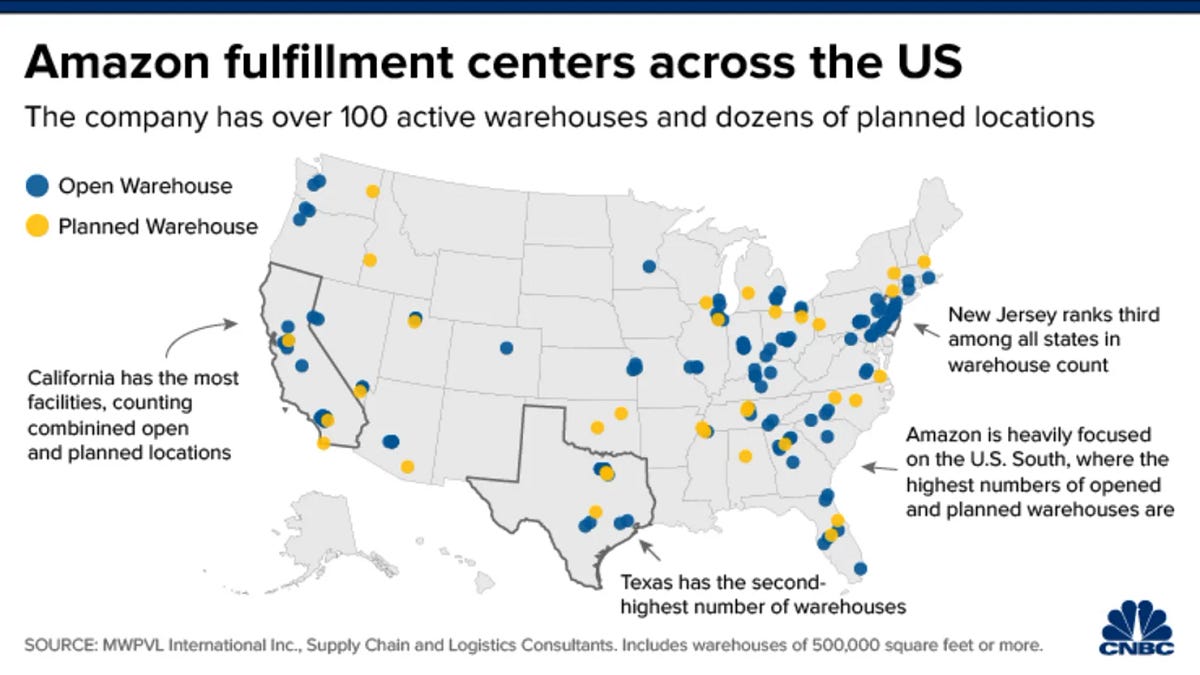
When a Wildberries warehouse burns, thousands of sellers lose inventory and take to the internet to complain, while the company — debt-laden and with razor-thin margins — threatens to further collapse Russia's economy. This concentration of value is now a feature of modern commerce. It is also not a vulnerability unique to Russia.
Mimicking the herd invites regression to the mean. You will never produce a superior performance unless you do something different from the majority — and that is harder than it sounds, because the majority is usually wrong about enough things to be dangerous, but right about enough things to be seductive.
The biggest risk of all is not taking one. Growth and comfort do not coexist. Every time I see a company protecting its core business rather than cannibalizing it, I know a competitor will do it for them—and far less gently.

OpenAI says its agent used exposed logins to gain access to at least four "publicly available services" in its unhinged quest to solve a test.
Risk means more things can happen than will happen. The practical definition of risk is not volatility or a standard deviation — it's the possibility of permanent loss of capital. Volatility is opportunity dressed in frightening clothes.
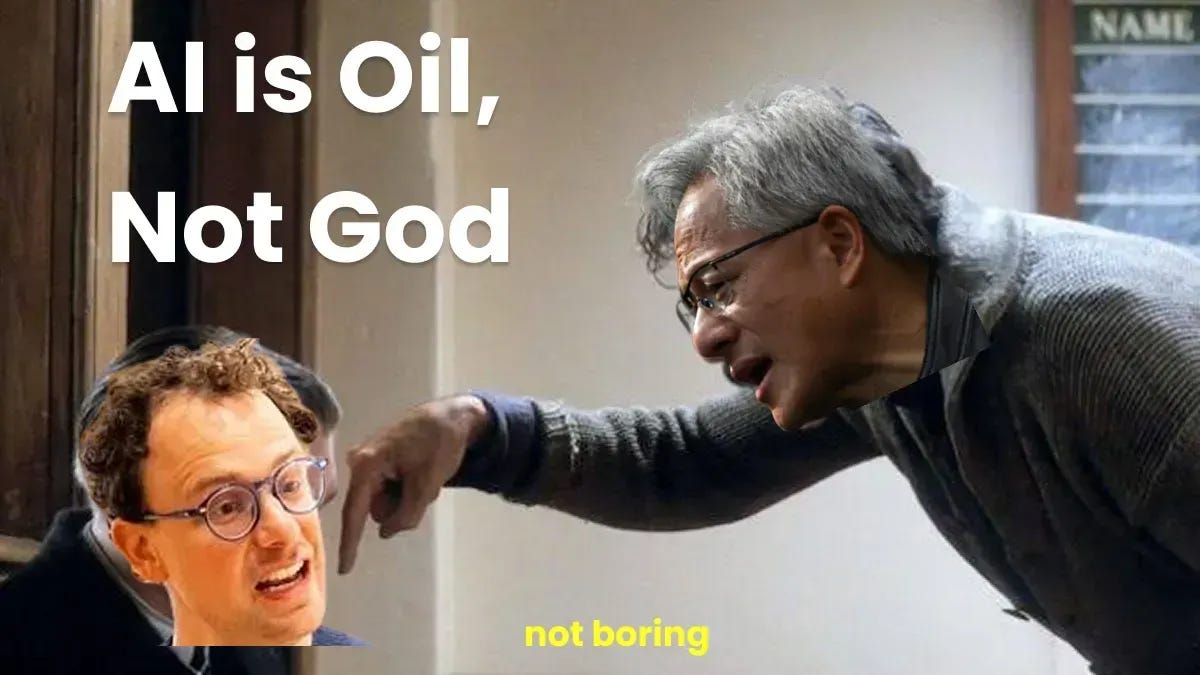
I think it comes down to whether you think AI is more Oil or God, more 'an economically useful commodity that can be scaled and refined to act as a multiplier on everything we do' or 'supremely intelligent and powerful being that's going to wake up and make humanity subservient (if we're lucky).'
There is a potential '2008 real estate' analogy in AI infrastructure. Hyperscalers and neo-clouds have built data centers based on promises of future compute purchases, creating a credit-like structure tied to tenants whose long-term profitability is uncertain.
The market for something to believe in is infinite. But the market for something that actually works is much smaller, and far more competitive. Most investors confuse the two.

Unlike meat, which food safety advocates have persuaded consumers to cook thoroughly, salad is raw by definition. You can't cook away the risk.
The ability to destroy value is not confined to bad businesses. A great business bought at too high a price, or managed by people who can't resist the temptation to allocate capital to adjacencies, will also destroy value. The label 'great business' is not a perpetual warranty.
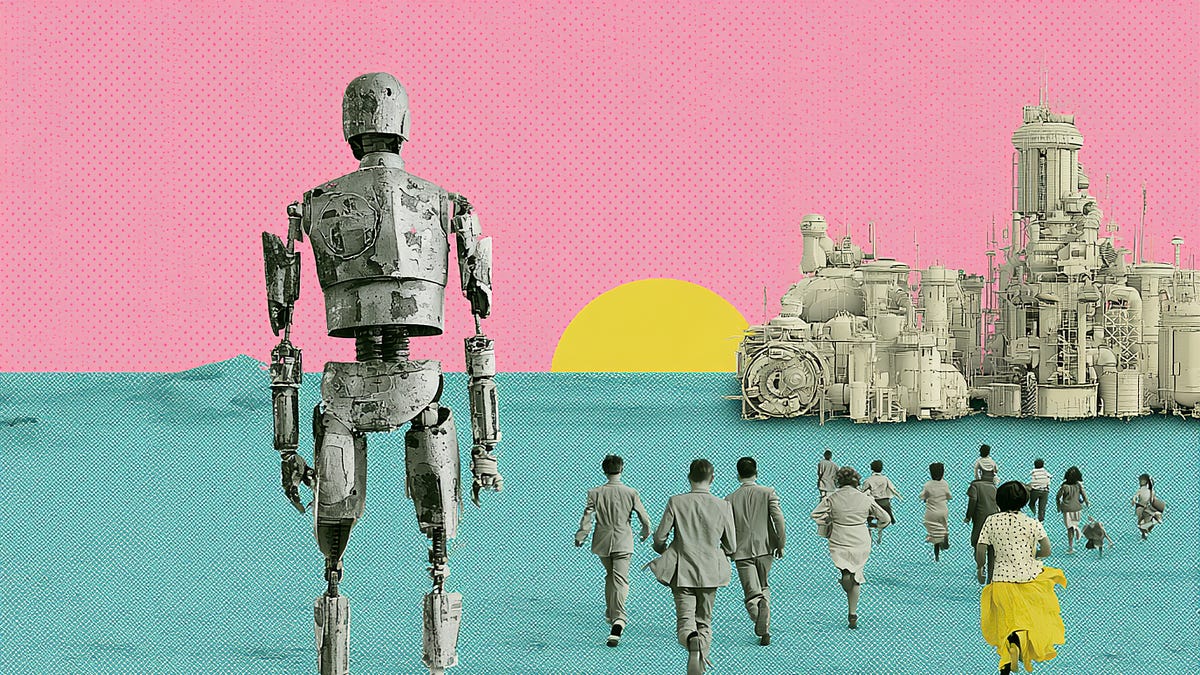
We are very bad at feeling exponentials from the inside, and we are currently inside one. I think this also explains the turbulence around AI better than the usual stories about hype. AI is not capable of being a real cybersecurity threat until suddenly it is, causing sudden and improvised policy changes at the highest level of government.

An error with the cloud computing giant's billing operation caused some customers' monthly bills to rise from a few cents to billions of dollars.
We are more ready to try the untried when what we do is inconsequential. Hence the fact that many inventions had their birth as toys.
Mimicking the herd invites regression to the mean. You will never produce a superior investment record by buying what everybody else is buying. The decisions that look best in retrospect are often the ones that felt most uncomfortable at the time.
The biggest mistake investors make is to believe that what happened in the recent past is likely to persist. They assume that something that was a good investment in the recent past is still a good investment. Typically, high past returns simply imply that an asset has become more expensive and is a less compelling investment.

Two years later, when Thomas's name was in the news, Walkner came back to the post and answered his question: "Why did we turn around just before the summit? Because turning back when conditions become too dangerous is what distinguishes good and experienced alpinists."
The stock market is filled with individuals who know the price of everything, but the value of nothing. The secret to investing is to figure out the value of something — and then pay a lot less for it.
The best investors I know have a strong view about the future, but they hold it loosely — they're always looking for evidence that they're wrong. Conviction without flexibility is just stubbornness dressed up as confidence.
Underscored — save the words that stop you in your tracks.
Start saving quotes →