underscored

@underscored

33 clips · 1 follower

Follow
Tag:startupsClear

Fourteen layers of advice from fourteen years of watching where the bodies are buried, from the founder of Skift.

Louis Cheslaw
1d ago

Kalanick's unifying idea for Atoms (and Uber before it) is that physical industries can be built like computers. In Kalanick's model, manufacturing is the CPU that transforms atoms, real estate is the storage layer, and transportation is the network that moves atoms from one place to another.

1w ago

"You have lobster, and you have, whatever, let's say a good steak, and then you have the noodles, and then you have the rice. And so you come, and Anthropic and OpenAI, they take the lobster and the good steak. And there are only some noodles left, and you're like, 'Oh my God.' That's what happens today, and it's very, very, very hard not only to compete, but to retain the talent. So for us, building in Europe has been an incredible strength."
2w ago

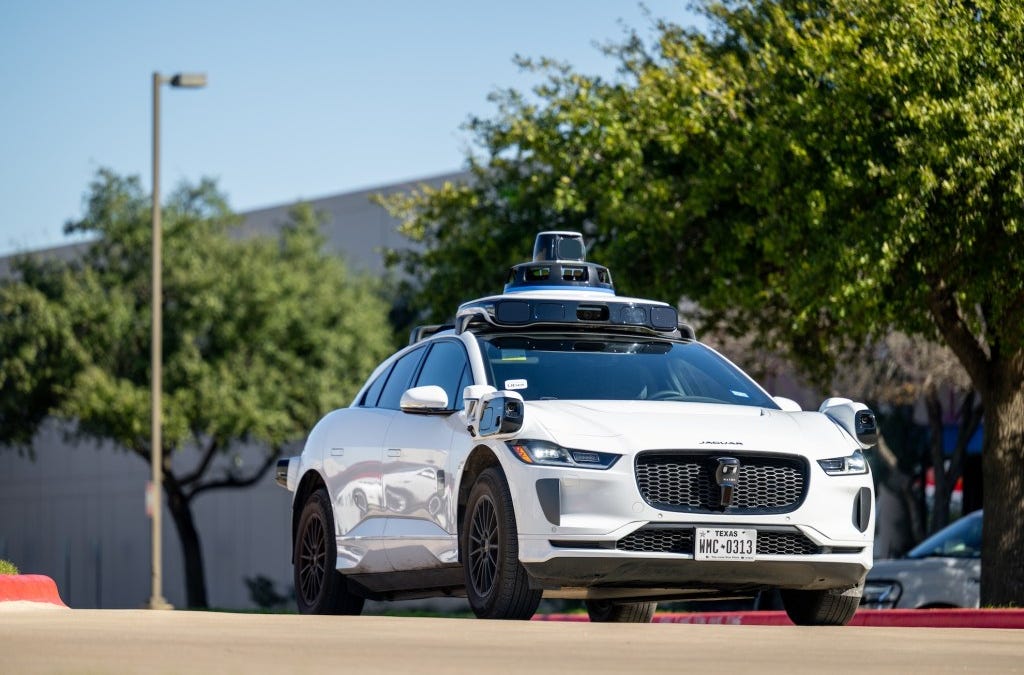
A system built by a four-year-old startup went from prototype to a live combat mission, a month after another Corsair performed the first known rescue of downed pilots by an autonomous boat. Proving that a startup can build autonomous boats that are useful in combat is huge, but proving that they can build a great American shipyard again might be even bigger.

2w ago

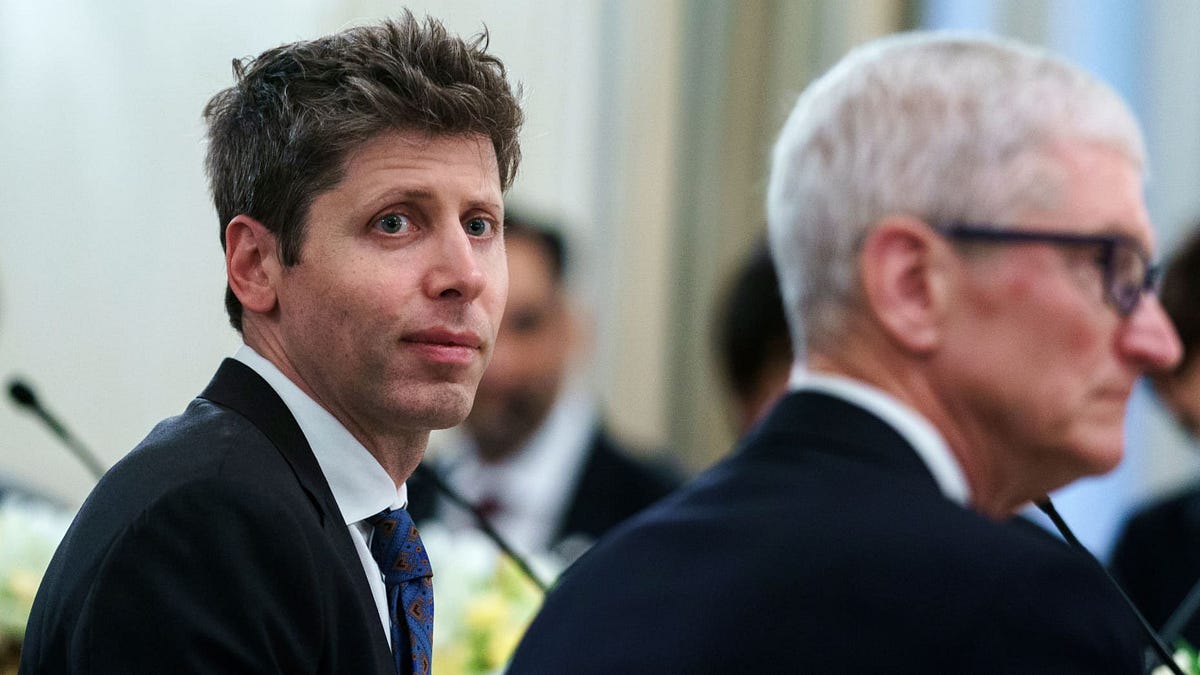
But these aren't strategic blunders, this AI device thing is one of OpenAI's major moonshots being dismantled by anti-competitive misconduct. Like, they did this to themselves! They might not even get a chance to compete, because cheating was an option on their table.

3w ago

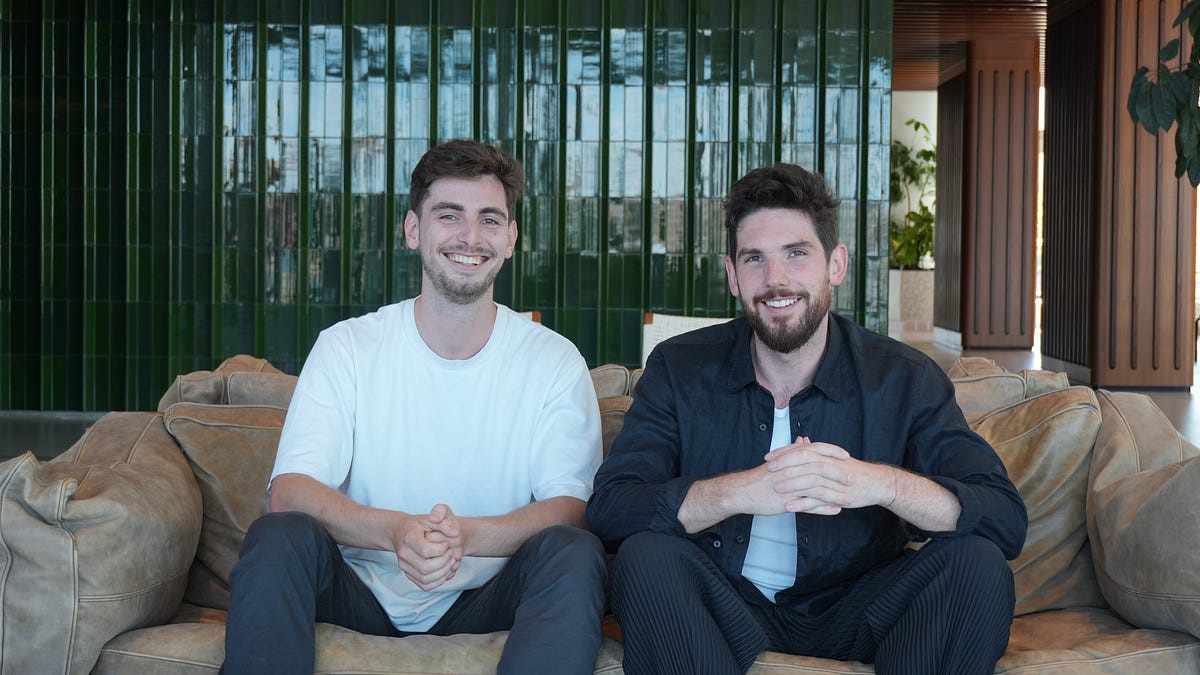
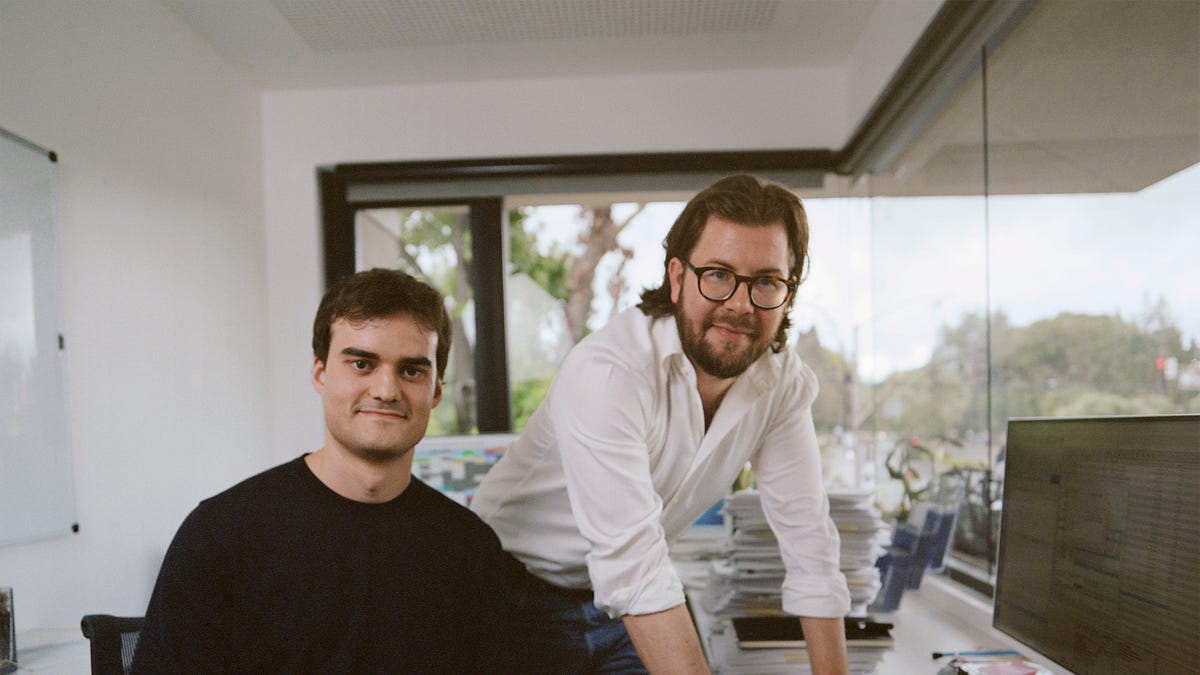
But the duo figured that if they could generate a massive technical due diligence document for a data center site that would typically take six weeks in just six hours, they could charge $25,000 for it and enjoy margins more like a tech company than a consulting shop. They spun up dozens of agents to handle different tasks; in the initial workflow, one of the founders would email those agents to get PDFs back, and they'd grind long hours to turnaround a finished document for a client. "It looked kind of pathetic, but behind the scenes, a lot of stuff was going on," Stirrat-Ellis says.

4w ago

According to Xu, HeyGen hasn't really burned cash since it reached $10 million in ARR three years ago. Instead, the company proudly tracks a couple of other metrics: revenue for every dollar raised (now up to $2.70 for each $1 invested) and revenue per employee (now up to $1.5 million per full-time staffer).

1mo ago

The striking part is not the total. It is the concentration. The money tripled while the number of deals collapsed: just 34 deals so far in 2026, against 99 across all of 2025 and 127 in 2024. Investors have stopped spreading small bets across dozens of startups and started pouring billions into the few players they believe will own the market.

1mo ago

Figma was born of a technical breakthrough that leveraged WebGL to deliver powerful graphical capabilities in the browser; the browser made Figma collaborative, what I call the operating system of design. Figma has had a fascinating road: the company accepted an acquisition offer from Adobe in 2022, but due to regulatory resistence the latter was forced to abandon the merger in late 2023. Figma instead IPO'd in 2025, and after skyrocketing to a valuation of $56.3 billion, has since crashed to a market cap of less than $10 billion, less than half of Adobe's offer, thanks in large part to a market narrative that the company is an AI loser.

1mo ago

"If the business isn't good, you lose all of those optics eventually anyway. And this is hard for founders, right? Because, you are on a roller coaster, and sometimes founders look for external validation, right? 'Okay, well, if I have a lot of people, or if I have investors or whatever, it means that I'm doing well.' But really, the only thing that matters is, are you serving a really large market of customers, and do they love your product?"

1mo ago

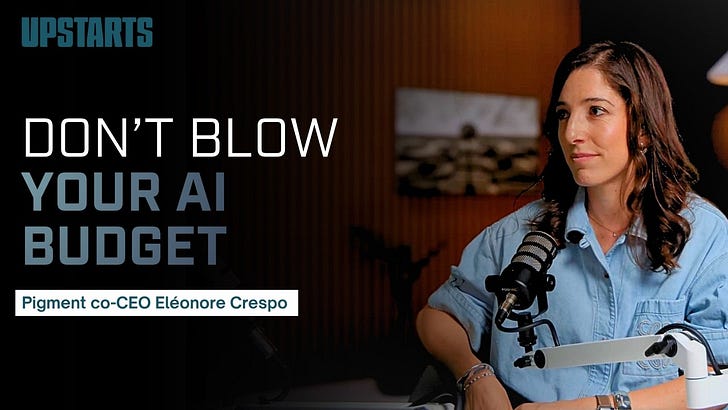
The fear of job loss is "super justified," she told me; in her view, AI has made hiring junior employees "extremely expensive and completely unsustainable for a startup," because every hire now competes with the leverage of what she calls a "1,000x engineer."

1mo ago

In many accelerators, startups spend the program looking to ship and validate a minimum viable product, or MVP, readying it to a point to pitch to investors by demo day. In Elbow Grease, founders mostly knew how to use the various vibe-coding and agentic tools already in the market from companies like Anthropic and OpenAI; they could ship a product in a matter of days. Programming and workshops instead oriented around recruiting, sales and other aspects of company building.

1mo ago

Inside the companies pulling ahead — Anthropic, Cursor, Cognition, Replit, and a small number of others — a different unit shape had emerged: five-to-ten people, direct CEO reporting, broad decision rights, hybrid roles, communication overhead at roughly one-tenth of a comparably-staffed conventional product unit.

1mo ago

Few – if any – startups in Silicon Valley history have grown as big as Notion, or for as long, without some semblance of a board. But by virtue of a quirk of its own fundraising history and an intellectual internal leadership style, it's the position Notion found itself in even after more than a decade in operation, and as its valuation reached $11 billion.

1mo ago

"There's a hype cycle game that sometimes works. And one model someone gave me was B2B software, AI whatever, in 2026 is much more like crypto in 2021, than [it is like] B2B in 2021. The hype matters. The hype goes into the next round. When you have that round and you have the valuation, you get more investors, you get more customers, you get more employees. Hopefully, then, you're using that to build real things, and rinse and repeat. But there is a hype 'fake it 'til you make it' game that I think can work."

1mo ago

Over the next two and a half years, they visited and onboarded 100 doctor's offices onto test versions of their software, starting with basic use cases like managing claims with one insurance provider. 'You will not find many other people that are willing to obsess for so long, and so deep, over this,' Pelle says.

2mo ago

He shares lessons from building Zynga, missing the opportunity behind social networking before Facebook took off, navigating platform risk during Zynga's explosive growth, and rebuilding his confidence after major failures.

2mo ago

Nobody told you more than 220 companies that once hit billion-dollar valuations are now considered 'fallen unicorns'. The concentration of capital is also damaging - in that, the AI boom that has funneled more than $250 billion into OpenAI and Anthropic and reset valuations on entire classes of startups.

2mo ago

2026 has been the year of Anthropic. They are the creator of the large language model Claude, which has taken the world by storm: The company was founded by a group of ex-OpenAI executives, who purportedly set out to create a more ethical generative AI tool.

2mo ago

The difference between a business that's working and one that isn't is that the working one has solved the hard problem, and the non-working one hasn't. Most people spend all their time on easy problems.

3mo ago

The difference between a business and a cult is that a business creates value for the outside world; a cult extracts value from insiders and gives it to the leader. Most startups fail not because the idea is bad, but because the founder confused the two.

4mo ago

The difference between a business and a cult is that a business creates value for people who are not going to work there. A cult is just a business where you worship the CEO.

4mo ago

It's never been easier to launch products, which means the biggest challenge product teams are facing is quickly becoming distribution.

4mo ago

Underscored — save the words that stop you in your tracks.

Start saving quotes →