The biggest returns in investing come not from picking the right answer, but from surviving long enough to be right. Time is the only factor that can't be faked, borrowed, or optimized away.
5d ago
The chains of habit are too light to be felt until they are too heavy to be broken. Spend each day trying to be a little wiser than you were when you woke up. Discharge your duties faithfully and well. Step by step you get ahead, but not necessarily in fast spurts.
The biggest returns in investing come not from picking the right answer, but from surviving long enough to be right. Time is the only factor that can't be faked, borrowed, or optimized away.
The key to investing is not assessing how much an industry is going to affect society, or how much it will grow, but rather determining the competitive advantage of any given company and, above all, the durability of that advantage. The products or services that have wide, sustainable moats around them are the ones that deliver rewards to investors.
The stock market is a device for transferring money from the impatient to the patient. But what most people miss is that patience itself is a skill — and like all skills, it atrophies without deliberate practice against the grain of every instinct you have.
Occasionally, the market does something so stupid it takes your breath away. The trick is to make sure you're there to take advantage of it — and that requires doing almost nothing most of the time, which is psychologically brutal for people who feel they're paid to act.
The best single question to ask about any moat is: 'In ten years, will this business be harder or easier to compete with?' Most analysts ask about next quarter's margins. That's why most analysts are wrong about compounding.
Most people overestimate what they can do in one year and underestimate what they can do in ten years. Compounding is not just a financial concept — it applies to knowledge, relationships, and reputation. The problem is that compounding looks like nothing is happening, right up until it looks like everything is happening.
The chains of habit are too light to be felt until they are too heavy to be broken. But there is a second, less-discussed corollary: institutions that survive longest are those that deliberately audit their habits before those habits calcify into dogma. Most companies wait until the weight becomes a crisis.
Forgetting that your returns depend on the returns of the businesses you own—not on what you paid for them—is the source of more investment error than almost any other mistake I can think of. You must always ask: what will this business earn over time? Everything else is noise.
The stock market is a device for transferring money from the impatient to the patient. But patience itself is not a strategy — you must also be right about what you're waiting for.
The chains of habit are too light to be felt until they are too heavy to be broken. Most investors underestimate how much their early portfolio habits — the things they barely notice doing — compound into the architecture of their entire financial life.
Most people think of risk as the probability of losing money. But the real risk is that you'll be forced to sell at the wrong time — that circumstances, not judgment, will determine your outcome. Volatility is only dangerous if it can compel you to act.
The best investment you can make is in businesses you understand, and the second-best is in your own ability to understand more businesses. Most investors do neither — they buy what's rising and call it research.

He essentially turned $200 million into $45 billion in two years, given back in a month and I'm not even clear what's left or what's next.
Most people overestimate what they can do in one year and underestimate what they can do in ten years. But the subtler error is assuming the next ten years will look like the last ten — the truly dangerous assumption for any investor or builder.
Leverage is the difference between outcomes in a world that looks similar on the surface. Two investors can have the same insight, the same conviction, and the same patience — but the one who sized correctly will retire while the other merely survives. Position sizing is not a detail; it is the strategy.

Consumers, conditioned by heavy promotion and by habit, did not bolt even as prices of some of their favorite soaps and cereals increased by 5% or 8% a year. And so profits increased much faster than that. Heinz's earnings climbed by an average of 13% a year during the past decade, Clorox's by 15%. Their shareholders and owners reaped a treasure.
The chains of habit are too light to be felt until they are too heavy to be broken. A young person who consistently saves a small amount will find, decades later, that the habit has built a fortress; a young person who defers saving will find the habit of spending has built a prison.

For five and a half years, David Senra read one business biography a week, recorded a podcast about it, and published each episode to almost no one. Today, Founders is a cult obsession among some of the world's most powerful CEOs and billionaires, and a one-man business generating millions in annual profit.
The biggest mistake investors make is to believe that what happened in the recent past is likely to persist. They assume that something that was a good investment in the recent past is still a good investment. Typically, high past returns simply imply that an asset has become more expensive and is a less compelling investment.

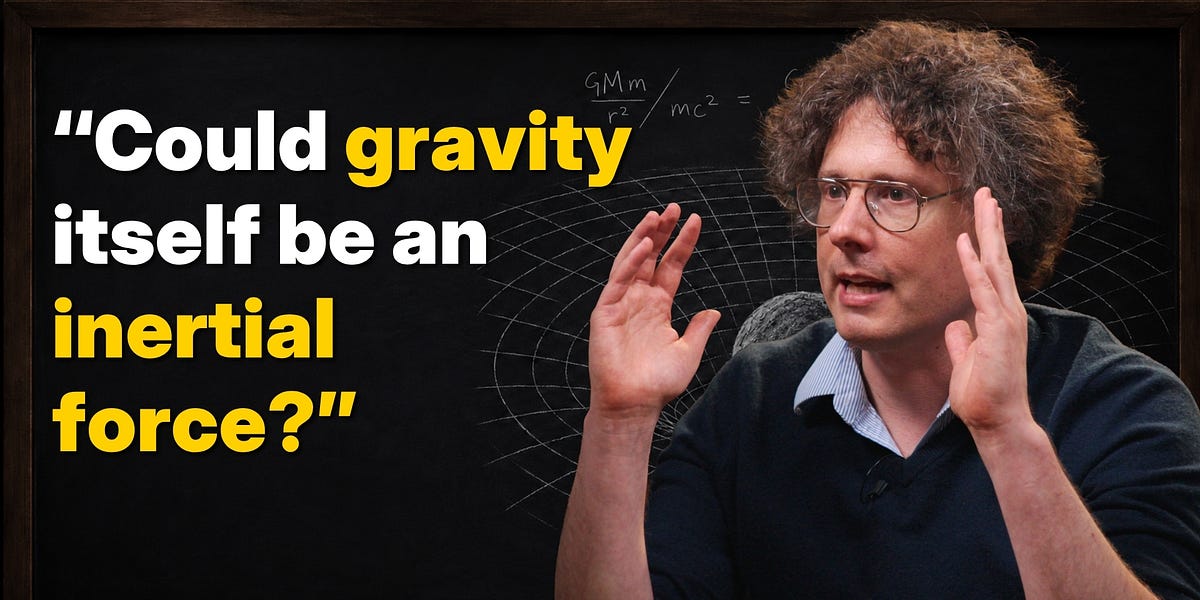
It took Einstein, one of the most famous minds in history, about a decade to figure it out. But when I teach it I'll do a 10-week course, and in 10 weeks people will get a better idea of general relativity than Einstein really had in 10 years. That's because we have an advantage that Einstein didn't have. We have Einstein, and many others like him going before us, who've been able to take these super complicated ideas—understood at the time as being totally incomprehensible by anybody with a sub-Einstein level of intelligence—and boil them down to their essentials, and not make many of the same mistakes that were made by our forebears.

The burden of supporting the elderly will also probably reduce fertility even further — it's hard supporting kids and your retired parents at the same time! — which will compound the problem in the long term.

Consumers, conditioned by heavy promotion and by habit, did not bolt even as prices of some of their favorite soaps and cereals increased by 5% or 8% a year. And so profits increased much faster than that. Heinz's earnings climbed by an average of 13% a year during the past decade, Clorox's by 15%.
The trick is to keep learning. If you stop learning, other people will pass you by. Temperament alone won't do it — you have to keep learning, because the world keeps changing, and you have to keep up with it and even get ahead of it.
The best business returns are usually achieved by companies that are doing something quite similar today to what they were doing five or ten years ago. That is no accident.
Most people overestimate what they can do in one year and underestimate what they can do in ten years. But the deeper error is that they plan in one-year chunks at all — the unit of compounding is decades, not quarters.
The difference between a good business and a bad business is that good businesses throw up one easy decision after another. The bad businesses throw up painful decisions time after time.
The biggest mistake investors make is to believe that what happened in the recent past is likely to persist. They assume that something that was a good investment in the recent past is still a good investment. Typically, high past returns simply imply that an asset has become more expensive and is a poorer, not better, investment.
The ability to sit quietly and patiently while everyone else is acting is not a passive virtue — it is the hardest-won competitive advantage in investing. Most of the damage investors do to themselves comes from the compulsion to do something when the right action is nothing.
The lesson of history is that there have always been more buyers of stability than sellers of it. When uncertainty rises, the price of certainty rises with it — and those willing to sell certainty at that moment earn returns that compound for decades.
The biggest moat a business can have is not technology, not patents, not brand — it's the accumulated trust of customers who would feel genuine loss if you disappeared. Trust is the only asset that appreciates purely through use and deteriorates purely through neglect.
Most people think of risk as the probability of losing money. But the real risk is behaving in a way today that prevents you from being in the game tomorrow. Permanent impairment of capital is far less common than permanent impairment of judgment under pressure.
The greatest competitive advantage in business is a long time horizon. Almost all of the gains in any market come from people willing to wait longer than everyone else is willing to wait, and almost nobody is structurally set up to do that.
The market is a device for transferring money from the impatient to the patient. But what most people miss is that patience isn't passive — it requires the active courage to hold while everything around you screams sell.
Most people overestimate what they can do in one year and underestimate what they can do in ten years. The long-term compounder who does nothing dramatic usually beats the person executing a brilliant short-term strategy.
The best investment is in the business that compounds the fastest while requiring the least capital. Most people think about return on capital. They should think about return on capital per unit of risk taken.
The difference between a good business and a great business is that a good business earns a fair return on capital employed, but a great business earns exceptional returns on capital while reinvesting at those same exceptional rates.
The big money is not in the buying and selling, but in the waiting. Patience is the virtue that is most rewarded in investing.

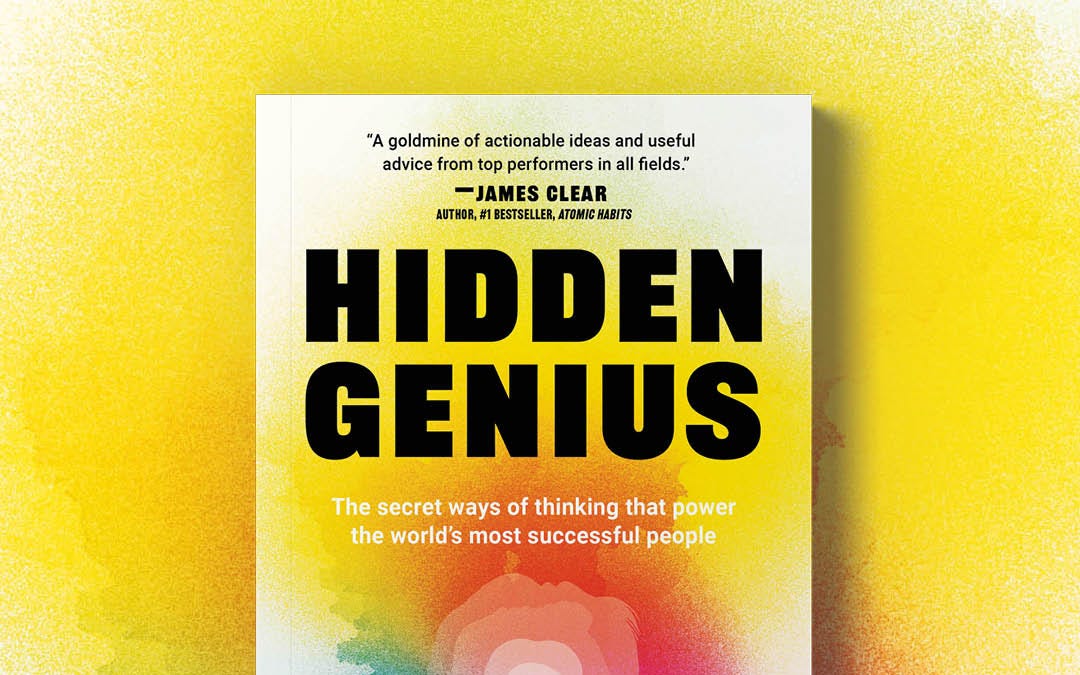
I've always thought it's so cool that the smartest person in the world on a topic I care about spends 2+ years of their life distilling their best ideas into an enjoyable read, and I can get this for just $20.

At its core, recursive self-improvement (RSI) is a process where an artificial intelligence system reviews, rewrites, and optimizes its own source code or architecture to become smarter.

Over years of interviews with founders, athletes, investors, and operators, I realized that what separates people is in the hidden advantages — the mindsets, habits, emotional patterns, and ways of seeing the world that compound quietly over time.

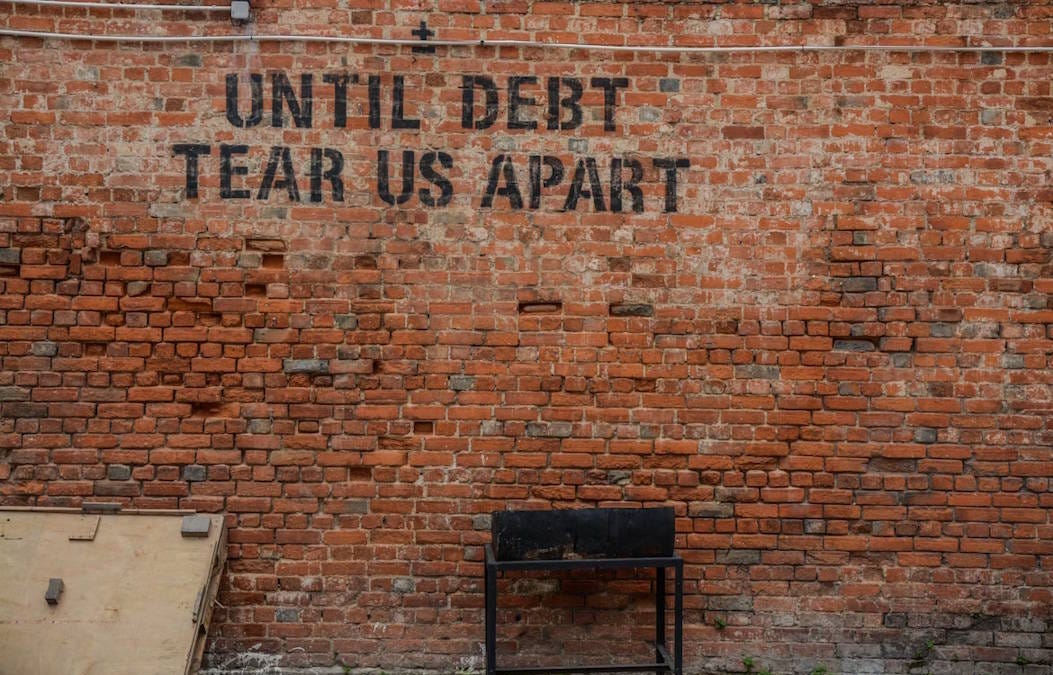
Right now, the national debt continues to explode, because the government is borrowing money just to pay the interest on the money it borrowed before. This increased debt naturally results in even greater interest costs, forcing the government to borrow even more to fund those interest payments. And so on.
The best thing you can do is compound money at high rates of return for a long time. That's the game. Most people don't understand that the biggest returns come from sitting, not trading.
The best investment is in the business that compounds the fastest while requiring the least capital to do so. Most people focus on the numerator and ignore the denominator.
The best way to get smart is to try to be a little smarter than you were the day before. But the way to get rich is to try to be a little richer than you were the day before.
The difference between a great business and a mediocre one is often that the great business keeps compounding capital at high rates of return for decades, while the mediocre business cannot. Most people underestimate how powerful this difference becomes over time.
The best investment is in the business that compounds the fastest while requiring the least reinvestment. Most people focus on the first part and ignore the second, which is why they end up with businesses that eat cash.
The big money is not in the buying and selling, but in the waiting. You have to be willing to let your profits run and cut your losses short.
The best thing a company can do is compound capital efficiently over a long period of time. Everything else is details.
The big money is not in the buying and selling, but in the waiting. You have to be willing to hold. Most people aren't.
Underscored — save the words that stop you in your tracks.
Start saving quotes →