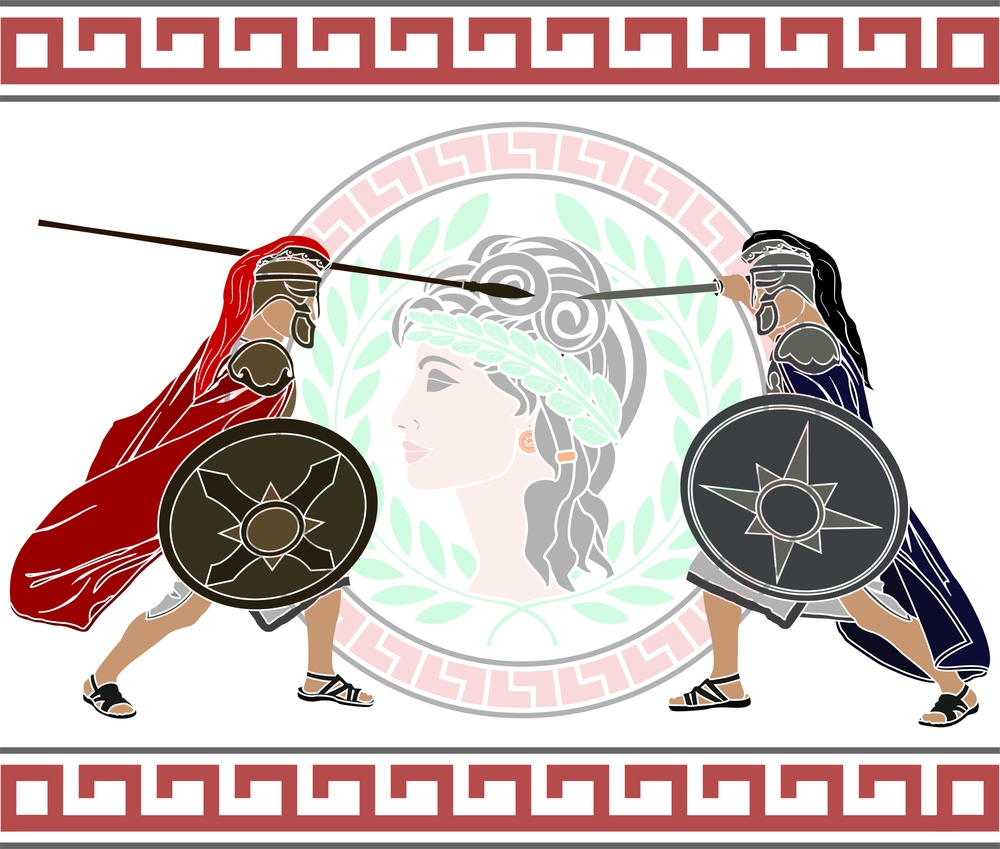
Will Rogers had a way of saying things that made people laugh, and then think. He understood that humor could be a Trojan horse — a way of sneaking past people's defenses to deliver an uncomfortable truth.
I can't teach you if I don't have your attention. But if I can get your attention with something remarkable, well, now I suddenly have something to attach the learning to.
Will Rogers was perhaps the most beloved public figure of his time. His radio show reached tens of millions of listeners. He was the highest-paid Hollywood star of the 1930s. He was so popular that there were serious efforts to draft him as a presidential candidate — efforts he had to publicly reject.
Will Rogers was born in 1879 in what is now Oklahoma, to a prominent Cherokee family. He grew up roping cattle, learned to do tricks with a lasso, and eventually turned his cowboy skills into a stage act. But it was his folksy observations about politics and society that made him one of the most beloved figures in America.
I'm more interested in depicting a reality that I'm more familiar with, which is intergenerational debt, struggling, single parenthood, and it's more interesting to me to write stories with characters who subvert these expectations of what an immigrant and a woman should and can be in America.
If I spoke to every person on this bus and asked them about their life story, I bet it would be so much better than any fiction that I could write because you wouldn't believe what people have survived and triumphed and seen and done and the grief and the loss and the joy.
And when you heard more compelling, you understood that to mean that I needed to write about hardship and overcoming trauma or pain, um and something that reflected or talked more about my identity as a black girl, a black girl from Detroit, a black girl from a low-income community, a black girl who was first-generation college.
The story of black comedy, it has always moved through contradictions like that. Moments of limitation that eventually open the door for something bigger and something better.
What we're doing is we're creating a hero's journey for somebody. And what we're surrounding him with are this cast of bizarre, eccentric weirdos and hopefully carving out a path for him to become the leader at the end and have his 12 Angry Men moment where he inspires us all and unites us and then we pull the curtain back and celebrate him as a human being.
Reporters go out into the world. They bear witness to important things that are happening that the public should know about. And then they translate that with sensitivity and judgment in a way that's meant to get people to understanding.
I really want to give them the most amount of swoon as I can. I want people to read these quieter moments that are the louder moments in the book, but quieter moments in real life and be able to relate them back and think that was really romantic when my partner did that for me.
I think actors look for characters that are layered and by that I mean may contradict themselves. They break the stereotype, let's put it that way, if they contradict themselves.
2mo ago
Underscored — save the words that stop you in your tracks.