Their approach of trying to disrupt it from a position of strength doesn't make any sense. They're basically trying to perform open heart surgery on the healthiest person, you know, in the franchise. For 50 consecutive seasons, 60 has been the number one rated news program and garnering about 9 million viewers.
The biggest risk for Uber is actually AV technology working perfectly and Uber not being a part of it. Because if AV technology works perfectly and Uber's not a part of it, then you essentially have players who have a lower cost structure than us who can come in and compete with us and essentially make our service irrelevant.
The way I think about it is that the most dangerous time to own a technology business is when it's currently executing well but the next curve is about to start. Because what happens is all your best people, all your resources, all your management attention is focused on scaling and perfecting the current curve, and the new curve looks tiny and unimportant by comparison.
The biggest risk to Uber is that we get disrupted by autonomy. Because autonomy is going to lower prices. Lower prices will mean more trips. And if we're not part of that autonomous future, we'll essentially be stuck with an ever-more-expensive human-driven transportation service while our competitors will have cheaper and cheaper autonomous transportation.
The S-curve is a very well-known concept in technology investing, but what's less appreciated is that the most dangerous moment is often at the top of the S-curve, when a technology looks the most dominant and the most entrenched. That's precisely when the next S-curve is being born underneath it, and the incumbents are most blind to the threat.
The exciting part of being in technology investing is that you have these waves of innovation that create extraordinary opportunities for value creation and also value destruction. And the companies that are able to ride multiple waves are extraordinary compounders over time, but it's actually quite rare.
The other thing about platform transitions is that they reset competitive advantage. So the incumbents that have accumulated distribution and integration and switching costs — those advantages largely reset with platform transitions. That's what makes them so valuable for investors; new winners can emerge from what looks like chaos.
I mean, you know, if I reverse engineering my career, it's really been about normalizing disruptive technologies to make them more understood and to drive that mass adoption.
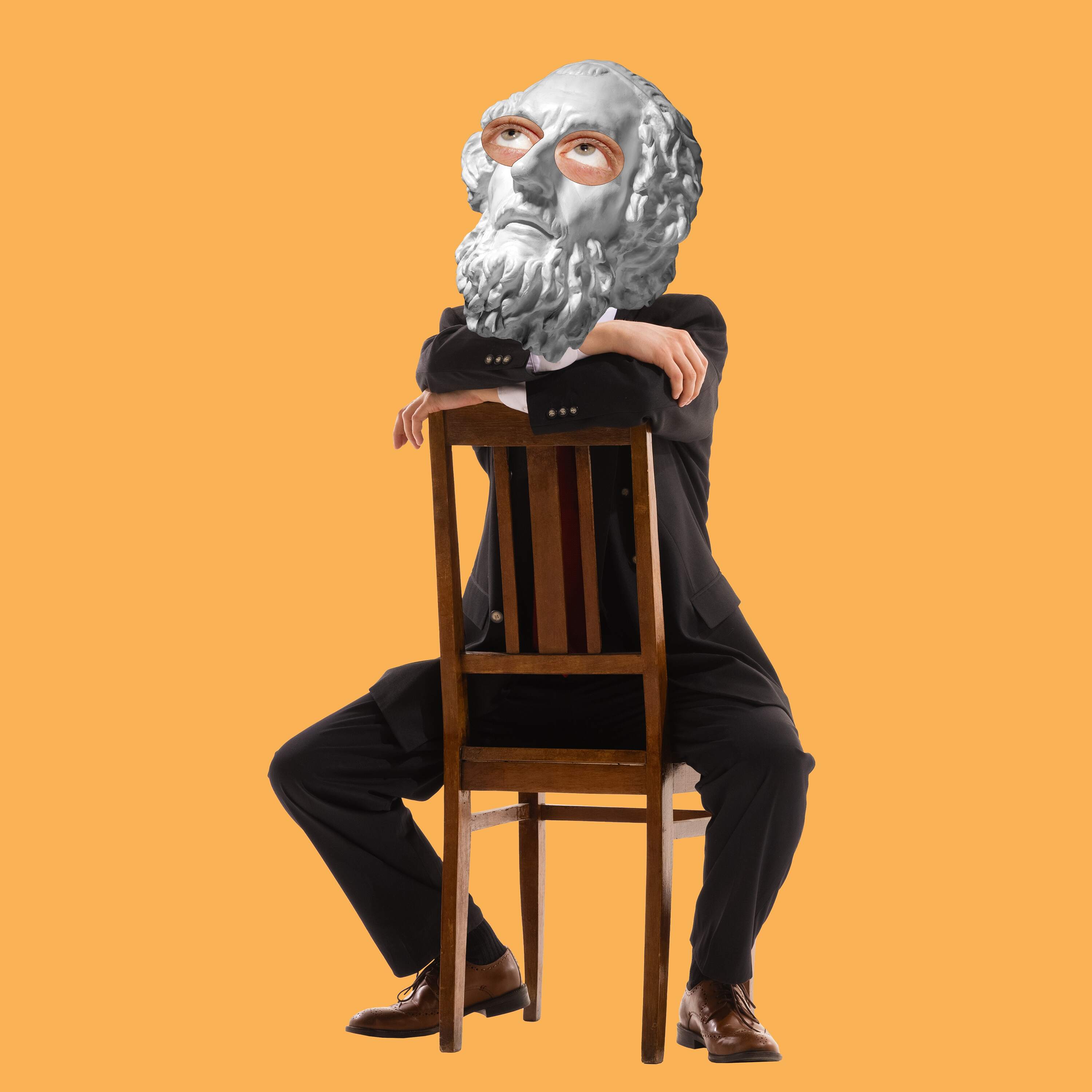
philosophy thrives when things are disrupted. It is totally not an accident that great figures like Socrates came on the scene in eras of civil war and major disruption because that's when people start to wake up a little bit and realize like, oh my gosh, maybe this is not the good life.
An eight-year-old today doesn't need a driver's license when they're 16. And I think, going back to your point, it's easy to get in these modes where geopolitical white knuckle moment. But if you look, I think ultimately Tesla autonomous is worth a trillion dollars going to a Tesla story.