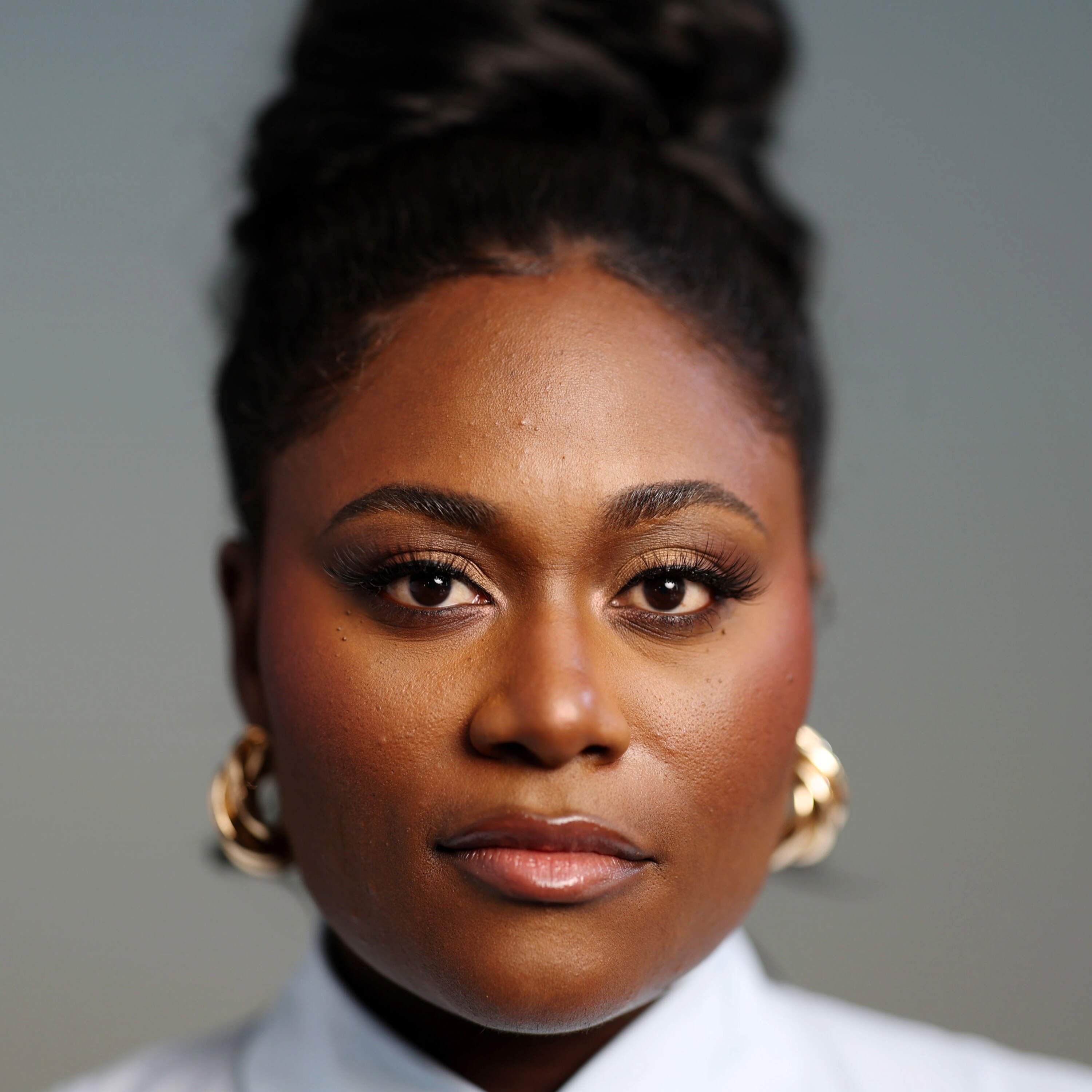
I didn't want to play Tasty in the beginning. Why not? You know, because she was an inmate and because I was nervous coming out of Juilliard, 21 years old, like, oh my gosh, I'm about to play an inmate and what is that, you know, saying about Black women, you know, what viewpoint am I putting out about Black women?
It's so rare that you see a travel journey from the point of view in English from the point of view of someone who is not from a Western country, who is not a man generally.
When you look at the history of those projects and when you put them all together, there's no way around it. It does not look good. It does not look like good business. And it looks like it's certainly not favorable to its black creatives.
Every example of anti-Asian discrimination in all three of my books is something that either I've experienced or one of my friends who's Asian has. That's sometimes a shock to people to realize just how common and pervasive it still is.
There are people who don't have running water and who have live sewage in their front yards. And it was not until representation was present that those neighbors were actually able to be served. If you have no one at the table who is representing your interest and who is concerned about you, then you know that you will not be represented in the result.
I'm more interested in depicting a reality that I'm more familiar with, which is intergenerational debt, struggling, single parenthood, and it's more interesting to me to write stories with characters who subvert these expectations of what an immigrant and a woman should and can be in America.
And when you heard more compelling, you understood that to mean that I needed to write about hardship and overcoming trauma or pain, um and something that reflected or talked more about my identity as a black girl, a black girl from Detroit, a black girl from a low-income community, a black girl who was first-generation college.
You know, when I came up, I could watch a show like Johnny Carson or Merv Griffin. And for weeks at a time, maybe never see a minority perform. And, you know, they're out there. So my dream was to one day grow up and show the other side of show business.
I really wanted to answer this central question of like, is he good for Indian people? Is Mark Wayne Mullen's political career something that benefits Native Americans?