The last 100 years of scientific and technological progress have been incredible, but I think the next 20 years will be the most transformative in human history. I believe we are on the verge of creating AI systems that will compress decades of scientific progress into just a few years, potentially solving diseases that have plagued humanity for millennia, defeating mental health crises, and creating economic growth in a way that could lift billions out of poverty.
I think we're at an early moment in what will eventually be seen as a clear inflection point in history — the moment when AI started to do real scientific research autonomously and the pace of scientific progress started to change in a way that will just seem unimaginable to us now.
It turned out Amy was not alone. And the answer to her mysterious allergy involved maps, a dancing lone star tick, and a very particular sugar called Alpha Gal.
Why does she get them in so many different situations? What's happening in her body and what does it mean? We take that question and run with it — we face chilly winds, sudden frights, and moments when the world seem to shift under your feet to figure out what the little bumps on our skin might be trying to tell us.
We face chilly winds, sudden frights, and moments when the world seem to shift under your feet to figure out what the little bumps on our skin might be trying to tell us.
The strongest pattern held almost 200 pounds, and another lighter version held more than 10,000 times its own weight. I found that the stronger patterns were more compact, and they also created truss-like structures that were able to distribute pressure evenly. It's amazing that something can be so strong and yet so lightweight at the same time.
What I loved about jellyfish is they kind of resist all efforts to see ourselves in them. You look at a jellyfish and have to ask yourself, "Where is its mouth? Where are its eyes?" And I think that makes something a very good candidate for a monster, because what is a monster if something that we can't relate to and can't see ourselves in at all.
Human language is generated by humans, right? So we understand it, right? We came up with it. RNA language, or the biological language, has evolved -- it was not generated by humans. So it's basically impenetrable for us.
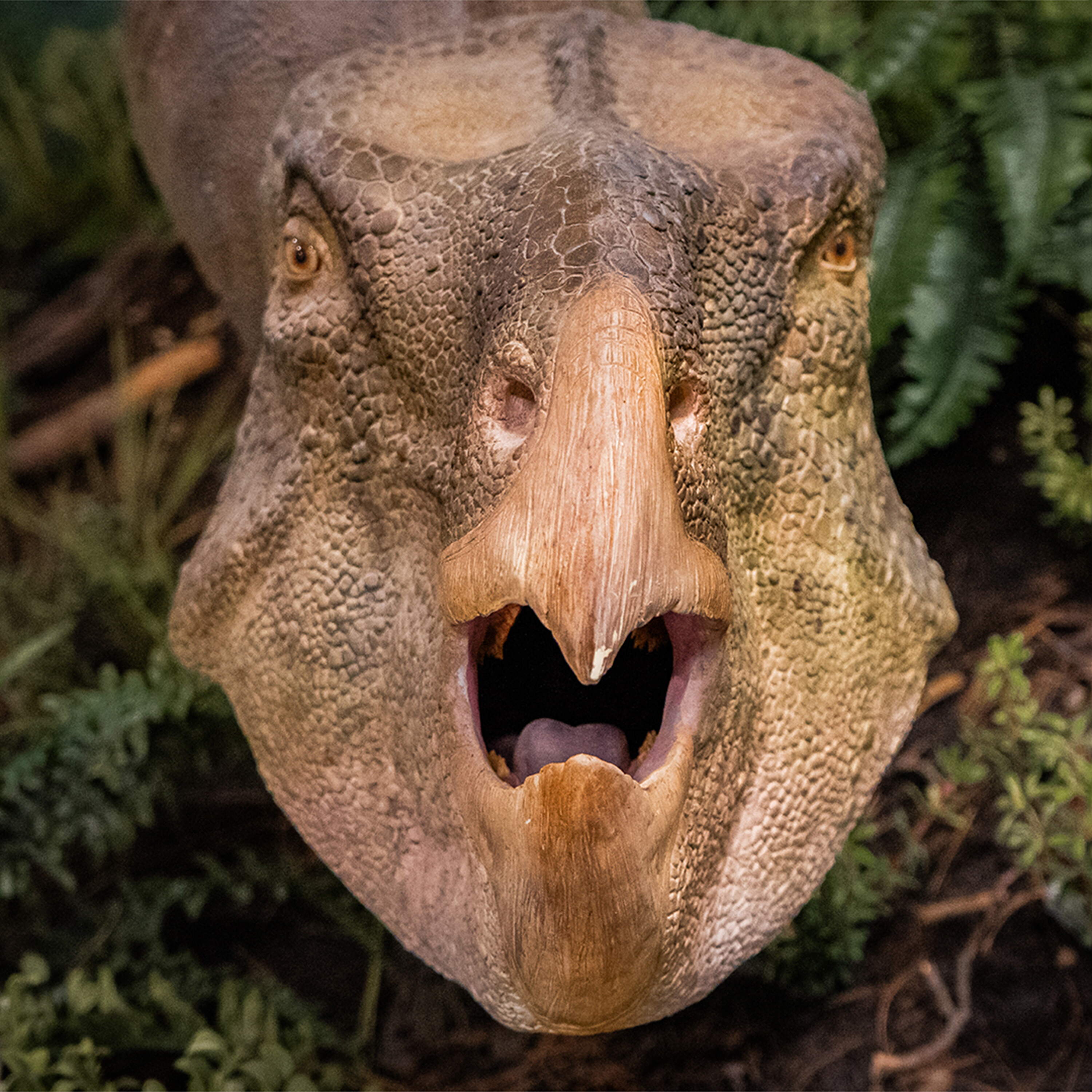
In the animal world, fathers have long been painted as aggressive or absent. At best providers and protectors, but certainly not caregivers. And yet for every tale of a lion or chimp dad eating its own young (yikes!), there's another creature who tells a sweeter story.
For most of human history, people were infected with intestinal worms as a matter of course. It's only in the past century, in wealthy countries, that mass deworming campaigns and improved sanitation removed them from virtually the entire population. Now some researchers think that eliminating these ancient passengers may have contributed to a sharp rise in autoimmune and allergic diseases.
For most of human history, people were infected with a variety of intestinal worms. The idea, called the 'old friends' hypothesis, is that our immune systems evolved to expect these parasites — and without them, the immune system becomes dysregulated, attacking the body itself or overreacting to harmless substances like pollen or peanuts.
For most of human history, people were infected with helminths — parasitic worms — as a matter of course. It's only in the past century or so, in wealthy industrialized nations, that we've largely eliminated them. And it's in those same places that allergies, asthma, and autoimmune diseases have skyrocketed.
For most of human history, hookworms and other parasitic worms were ubiquitous companions of Homo sapiens, and our immune systems co-evolved with them over millions of years. The idea is that without these old friends, our immune systems become unbalanced — overly aggressive, prone to attacking the body itself or harmless substances like pollen.
The footage we had seen was not just data. This was an experience of life. It was reminding me why exploration really matters. It's not just about understanding the world with our logical minds. I believe exploration has huge potential to allow us to experience things with emotion and feel the context of why we're here on Earth.
For most of human history, hookworms and other parasitic worms were ubiquitous companions — so much so that the human immune system may have evolved to expect their presence. Without them, the theory goes, our immune systems can become overactive, mistakenly attacking the body itself or reacting to harmless substances like pollen or peanuts.
For most of human history, people were infected with intestinal worms. The worms, in turn, evolved to modulate their hosts' immune responses — keeping inflammation in check so the host could survive and the worms could keep living inside them. The modern, wormy-free immune system, the hypothesis goes, never got that memo and remains primed to overreact.
For most of human history, hookworms and other parasitic worms were ubiquitous companions to our species, and our immune systems evolved in their presence. The idea, known as the hygiene hypothesis or 'old friends' hypothesis, is that the absence of these organisms in the modern developed world has left our immune systems without the regulatory signals they evolved to expect — potentially contributing to the rise of allergies, autoimmune diseases, and inflammatory conditions.
For most of human history, intestinal worms were ubiquitous companions. Only in the twentieth century did sanitation campaigns and deworming programs scrub them from the bodies of people in wealthy nations. But some researchers now suspect that in eliminating these parasites, we may have also dismantled part of our immune system's essential operating instructions.
If only we allowed it to. But what generally gets in the way is something called repugnance, which we'll get to. And um and that we that we should overcome our a priori ideas when they're wrong, which is what science is all about.
The fact that it took Galileo to redefine our thinking about motion and intelligent people from Aristotle and onward had thought about how things moved in the world and gotten it totally wrong suggests that motion is not so simple.
I think there's a lot of confusion about you know just you know quantum what what can quantum actually do and so I thought it would it's a good example to explain just what's reality and what's fiction.
Crickets, like all insects, are what are called exothermic, which is a more correct term than cold-blooded, which means that they get their heat from the temperature outside.
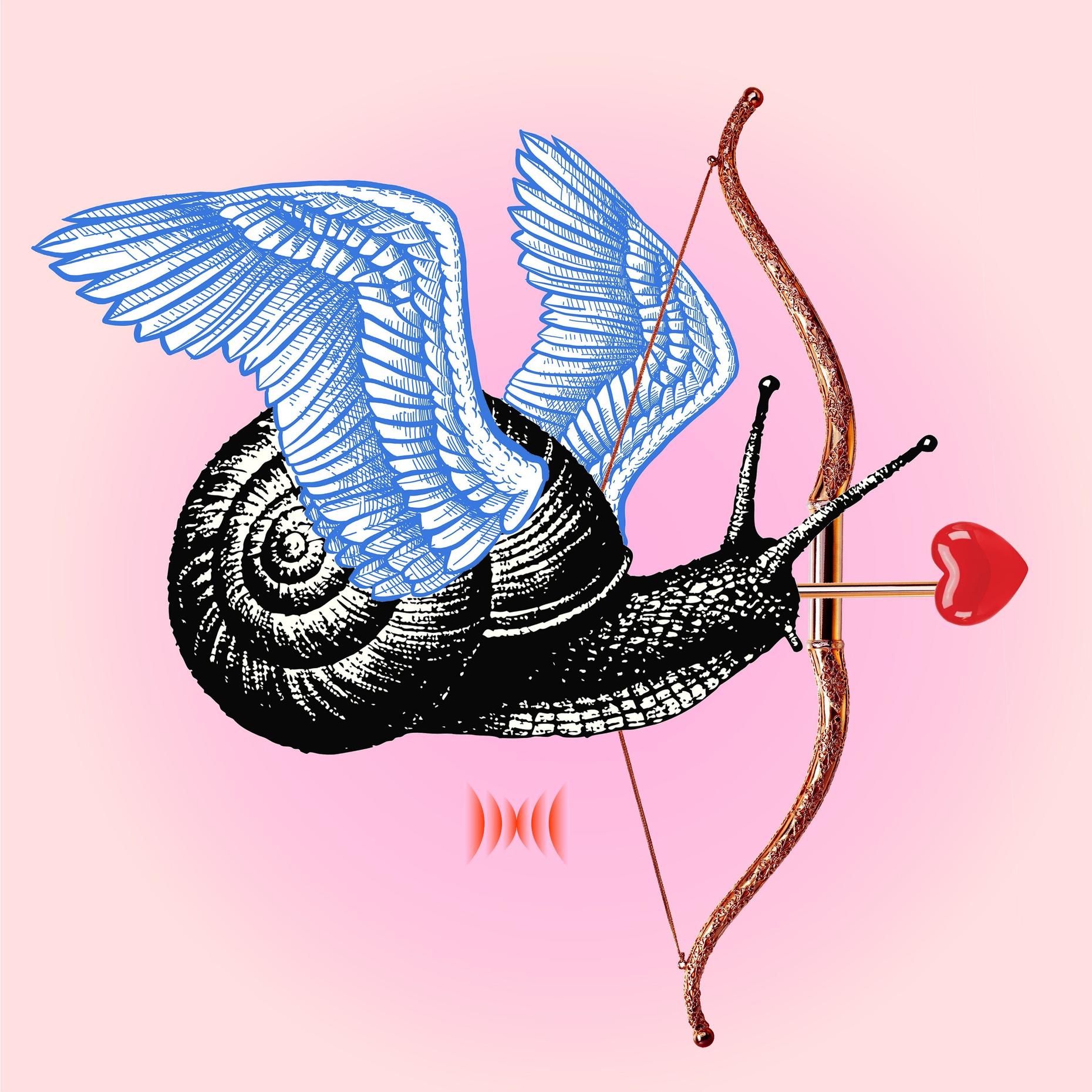
There is persuasion and subterfuge, spaghetti penises and co-copulation. And this very surprising habit—erm kink—of making tiny arrows (actually!) and stabbing each other with them.
4mo ago
Underscored — save the words that stop you in your tracks.