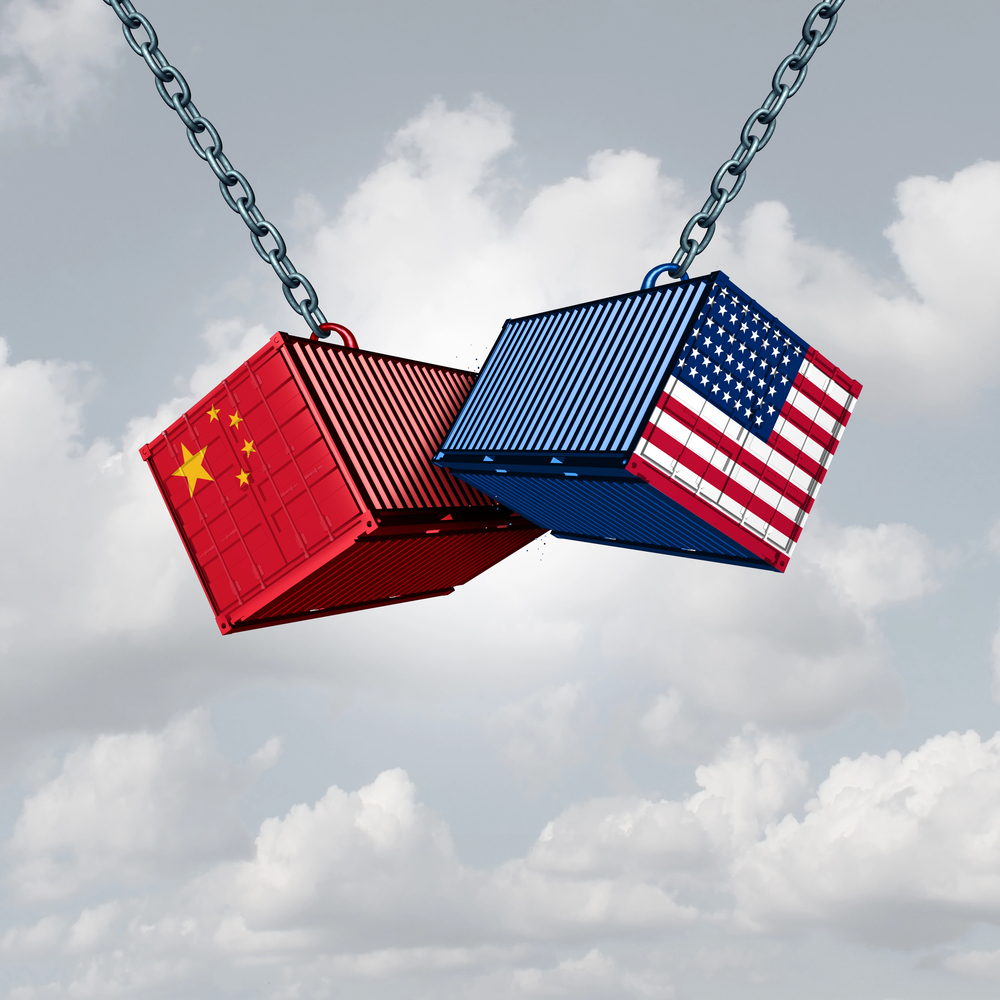
The 'China shock' narrative--that a surge of Chinese imports destroyed American manufacturing jobs and the communities that depended on them--became conventional wisdom in Washington and beyond. But economic historian Joseph Francis argues that the claim is much weaker than it looks.
What if the results of one of the most influential economics papers of the past 25 years are unreliable? The "China shock" narrative--that a surge of Chinese imports destroyed American manufacturing jobs and the communities that depended on them--became conventional wisdom in Washington and beyond.
Globalization was always going to fail. The global demographic picture was evolving in the direction where there just weren't going to be enough young people to do the consuming that would make trade possible. And the idea that the United States would continue to hold up the ceiling in a post-Cold War world when there was no agreement as to who the bad guy was, that was always going to fail.
founder diasporas can function like powerful alumni networks, why spending time in Silicon Valley can help founders recalibrate around speed and ambition, and how the next generation of global companies may increasingly be built across multiple countries from day one.
the world is trading city to city now not so much country to country. And we only have one city here. You know, you might call them cities, but the rest of the world is the city unless are a million people.
Trade touches virtually every part of or most of our lives. So, our mission is to fix globalization, but we're not retreating from globalization. We're leaning into it. But we believe that globalization needs to be fixed. It needs to be more trusted, more secure, more fair.
Trade is the lifeblood of growth. This is how we feed ourselves, sustain ourselves, and protect ourselves. So, how do you have both at the same time? How do you have more enforcement and more fracturing as geopolitics play out, but have more trade, more growth, and more economic security?
The third one was around the destabilization of the middle class of the West. So if you have a rapid sort of outsourcing and a collapse of manufacturing, then the point of view was you're going to have a populist response. And I think we've seen that play out.