underscoredpodcasts

@underscoredpodcasts

16 clips · 1 follower

Follow
Tag:evolutionClear

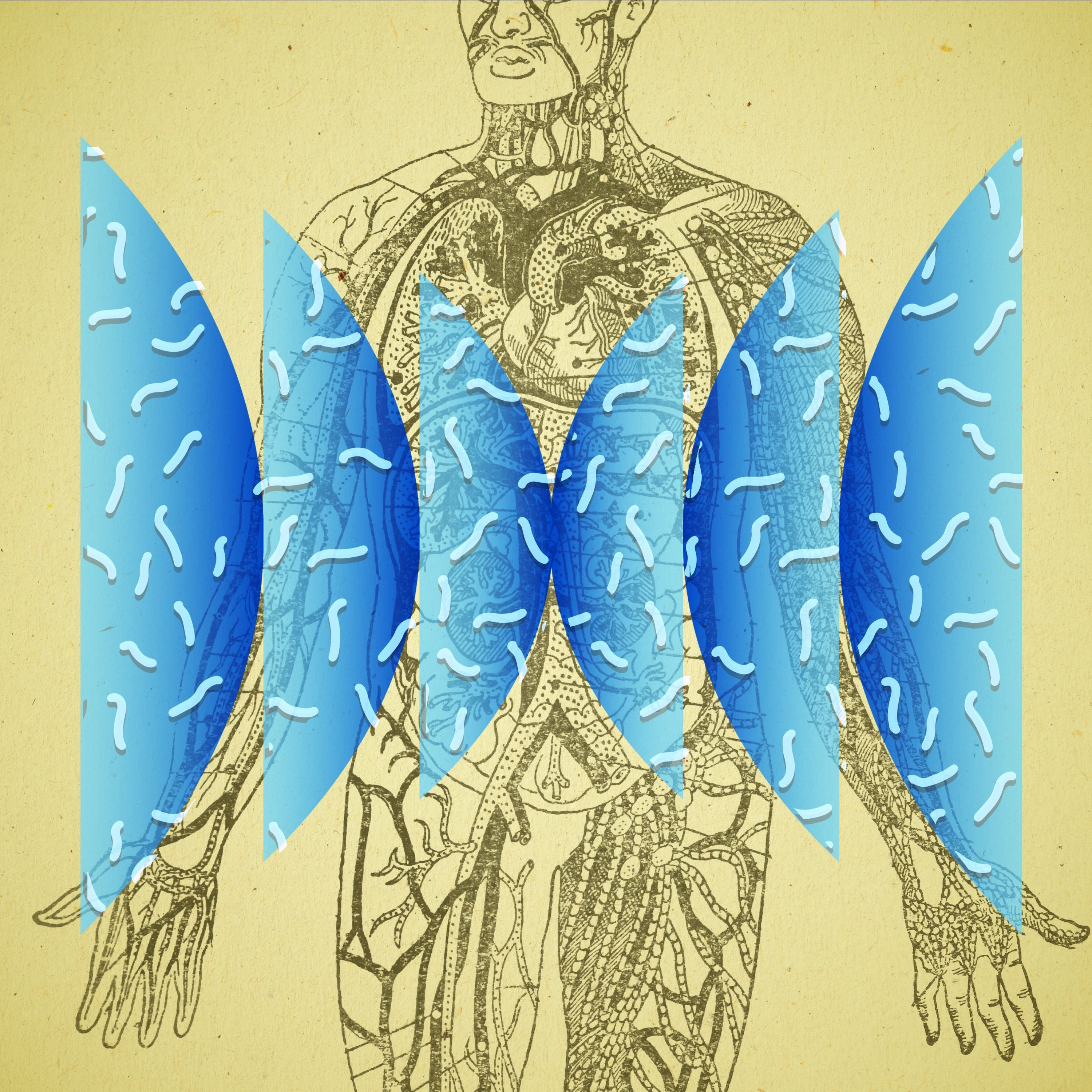
For most of human history, people were infected with intestinal worms as a matter of course. It's only in the past century, in wealthy countries, that mass deworming campaigns and improved sanitation removed them from virtually the entire population. Now some researchers think that eliminating these ancient passengers may have contributed to a sharp rise in autoimmune and allergic diseases.

Radiolab
1w ago

For most of human history, people were infected with a variety of intestinal worms. The idea, called the 'old friends' hypothesis, is that our immune systems evolved to expect these parasites — and without them, the immune system becomes dysregulated, attacking the body itself or overreacting to harmless substances like pollen or peanuts.

1w ago

For most of human history, hookworms and their parasitic kin were ubiquitous companions to our species, and the immune system evolved in their presence. The provocative idea at the heart of helminth therapy is that without these old enemies to fight, our immune systems grow restless and turn on us instead.

1w ago

For most of human history, people were infected with helminths — parasitic worms — as a matter of course. It's only in the past century or so, in wealthy industrialized nations, that we've largely eliminated them. And it's in those same places that allergies, asthma, and autoimmune diseases have skyrocketed.

1w ago

For most of human history, hookworms and other parasitic worms were ubiquitous companions of Homo sapiens, and our immune systems co-evolved with them over millions of years. The idea is that without these old friends, our immune systems become unbalanced — overly aggressive, prone to attacking the body itself or harmless substances like pollen.

2w ago

For most of human history, hookworms and other parasitic worms were ubiquitous companions — so much so that the human immune system may have evolved to expect their presence. Without them, the theory goes, our immune systems can become overactive, mistakenly attacking the body itself or reacting to harmless substances like pollen or peanuts.

2w ago

For most of human history, people were infected with intestinal worms. The worms, in turn, evolved to modulate their hosts' immune responses — keeping inflammation in check so the host could survive and the worms could keep living inside them. The modern, wormy-free immune system, the hypothesis goes, never got that memo and remains primed to overreact.

2w ago

For most of human history, hookworms and other parasitic worms were ubiquitous companions to our species, and our immune systems evolved in their presence. The idea, known as the hygiene hypothesis or 'old friends' hypothesis, is that the absence of these organisms in the modern developed world has left our immune systems without the regulatory signals they evolved to expect — potentially contributing to the rise of allergies, autoimmune diseases, and inflammatory conditions.

2w ago

When Junger nearly died from a ruptured artery, he experienced something unexpected: he saw his dead father, and felt completely calm and unafraid. The experience didn't make him religious, but it made him think that the human brain may have evolved to make death easier — that the terror of dying may be much less than the terror of anticipating it.

2w ago

For most of human history, intestinal worms were ubiquitous companions. Only in the twentieth century did sanitation campaigns and deworming programs scrub them from the bodies of people in wealthy nations. But some researchers now suspect that in eliminating these parasites, we may have also dismantled part of our immune system's essential operating instructions.

2w ago

But is it possible to have… too few worms? Science wonders if deworming ourselves has actually led to an increase in certain chronic diseases.

4w ago

For most of human history, people went about their daily lives with a worm or two (or fifty) in their guts. Only in the past century, with pharmaceuticals and sanitation practices, have we made significant strides towards deworming the whole of humanity. And that's typically been thought of as a good thing, because having too many worms in your body can–quite literally–suck the life out of you. But is it possible to have… too few worms?

4w ago

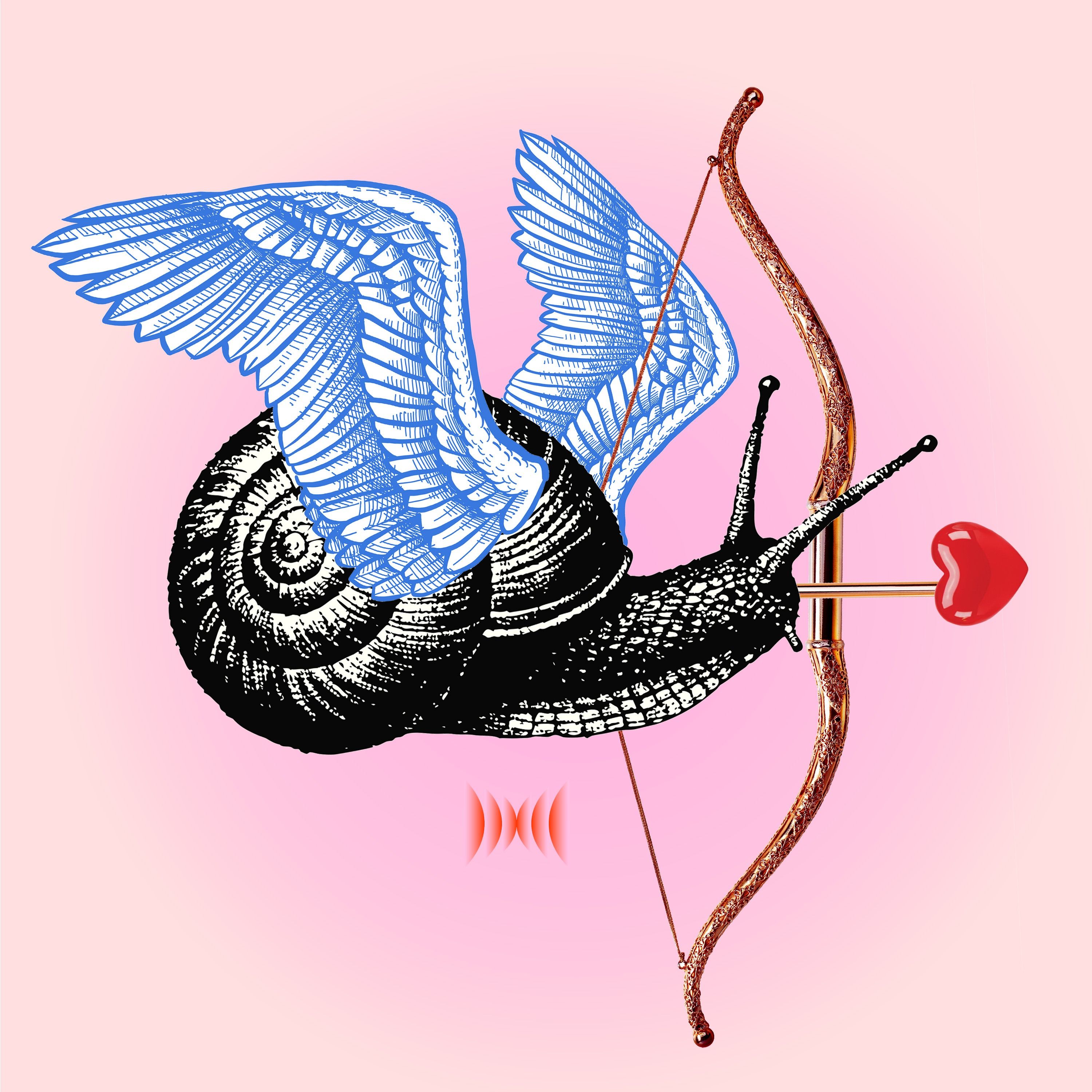
And this very surprising habit—erm kink—of making tiny arrows (actually!) and stabbing each other with them. Known as a "love dart," these limestone daggers aren't just a strange trick of nature—they have a deep evolutionary purpose.

3mo ago

Known as a "love dart," these limestone daggers aren't just a strange trick of nature—they have a deep evolutionary purpose.

3mo ago

Underscored — save the words that stop you in your tracks.

Start saving quotes →