The exciting part of being in technology investing is that you have these waves of innovation that create extraordinary opportunities for value creation and also value destruction. And the companies that are able to ride multiple waves are extraordinary compounders over time, but it's actually quite rare.
You have this bookending of Siri on both sides of Tim Cook's career where sort of nothing happened in an interesting way, you know, but it but the stock did fantastically well. his Tim Cook created an immense amount of value, but it was this lighter cheaper, faster, stronger.
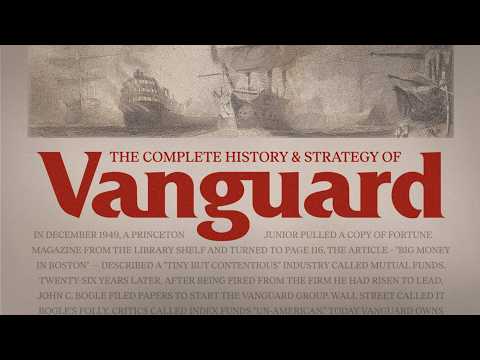
I view Bogle as an undercover philanthropist. And at a trillion or even half a trillion dollars, that would make him the greatest philanthropist of all time.
If you do not want everything to be owned by a tiny elite, you have to aggressively tax extremely high levels of wealth. Because otherwise, if you're Jeff Bezos, what is he worth? $300 billion, right? Even if he makes 5% a year, he's making $15 billion a year, right? And it's just going to grow, right? It's going to grow unbelievably quickly.
If you're Jeff Bezos, what is what's he worth? $300 million, $300 billion, right? Even if he makes 5% a year, right? Which he's going to make way more than that. Even if he makes 5% a year, he's making $15 billion a year, right? And it's just going to grow, right? It's going to grow unbelievably quickly.
maintenance, the quiet act of keeping things going, turns out to be the hidden force behind success and failure in nearly every domain of human endeavor.
maintenance, the quiet act of keeping things going, turns out to be the hidden force behind success and failure in nearly every domain of human endeavor
The argument in favor of allowing everyday investors to own this stuff is that this stuff has made people really rich over long periods of time and so if you only let rich people own it, they're only going to get richer and the wealth gap explodes.
Housing services, which is rent, mortgages, utilities, is like 12% of the economy. Talking about, you can think about that like a $3 trillion a year subscription fee for living.
your 20s sort of dictate your trajectory into your 30s and 40s, and your ability to kind of get to the right positions in your 30s and 40s to really then aggregate influence and economic security are somewhat a function of the trajectory or the scale or the velocity you establish in your 20s.
3mo ago
Underscored — save the words that stop you in your tracks.