I decided to focus the book partly on poetry because it is one of the most underestimated and overlooked art forms in the world. And yet it's very very important to us as people. We turn to poetry all the time and especially in times of need at funerals or at weddings, at graduations, inaugurations. When we're sad, we read the poets. when we're happy, we read the poets. And one of the reasons for that is that poets almost always they tell the truth. They have no reason to lie to us.
If you turn to children's fiction, you can, I think, find what endures of us when all our adult compromises and poses are stripped away. You can, I think, find the very meat of the human heart.
Senica 2,000 years ago in one of his letters is lamenting just people totally missing the point of the Odyssey. And I think it's fascinating to think that 2,000 years ago, people were having these debates about where was Troy, where were the different islands, did it actually happen or not? Just like today, we're like, is Homer really one person? Was he blind or not?
I think if we have a quest narrative, whether it's in a poem, a novel, or a movie, we need to have a protagonist with detailed, believable motivation. He needs to want something. So the fact that these desires seem to be stripped from Odysseus, he doesn't seem to want food, doesn't seem to want sex. What does he want?
Ego, pride, wrath, fear, gods, superheroes, mortals, and lots of killing. Welcome to Homer's Iliad, which reads at times like a script for a Tarantino film or the latest installment of the Avengers franchise.
When I um read Walden when I was a freshman in high school, I was just sort of like transcendentalism. This is like this is what I want wanted to do my whole life. I wanted to transcend how people see me because I was assigned male at birth and because I'm black and poor in the South. I want to transcend this body. I want to transcend like time and space. And I finally had a word um for what I longed to do and what I felt like I was here to do.
When that sentence comes into my life, whether I'm reading it to teach, whether I'm rereading it to write, whether I'm reading it out loud, even just now, tears always spring to my eyes.
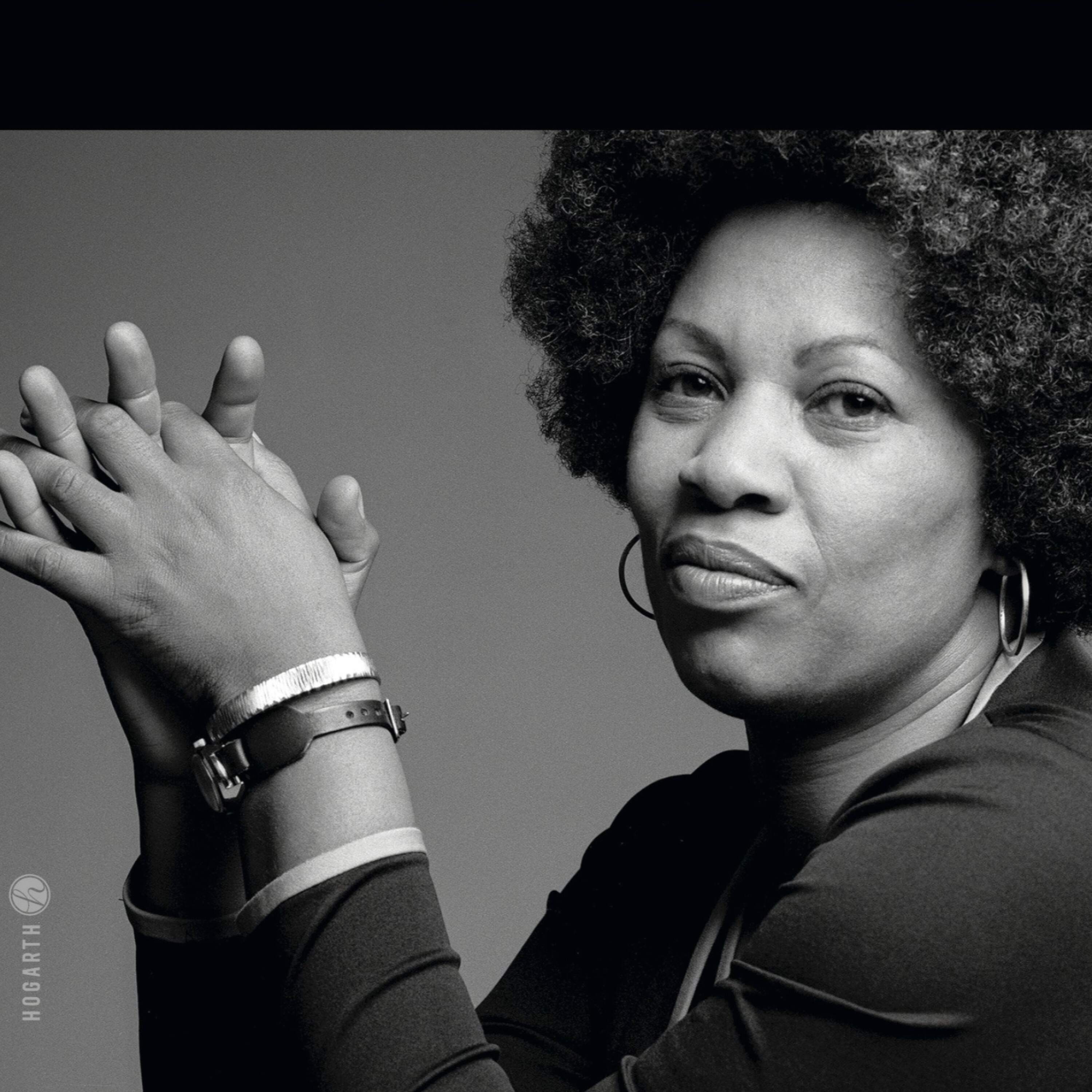
Morrison is one of the incredible thinkers and theorists of racism as a pathology. And when she describes what it is to be racist, she's very insistent that this is a problem of the racist. This isn't actually a problem of the black person.